





A Mission of Reconnaissance
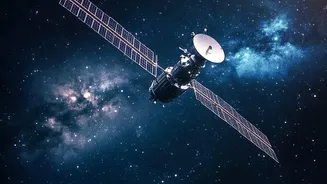
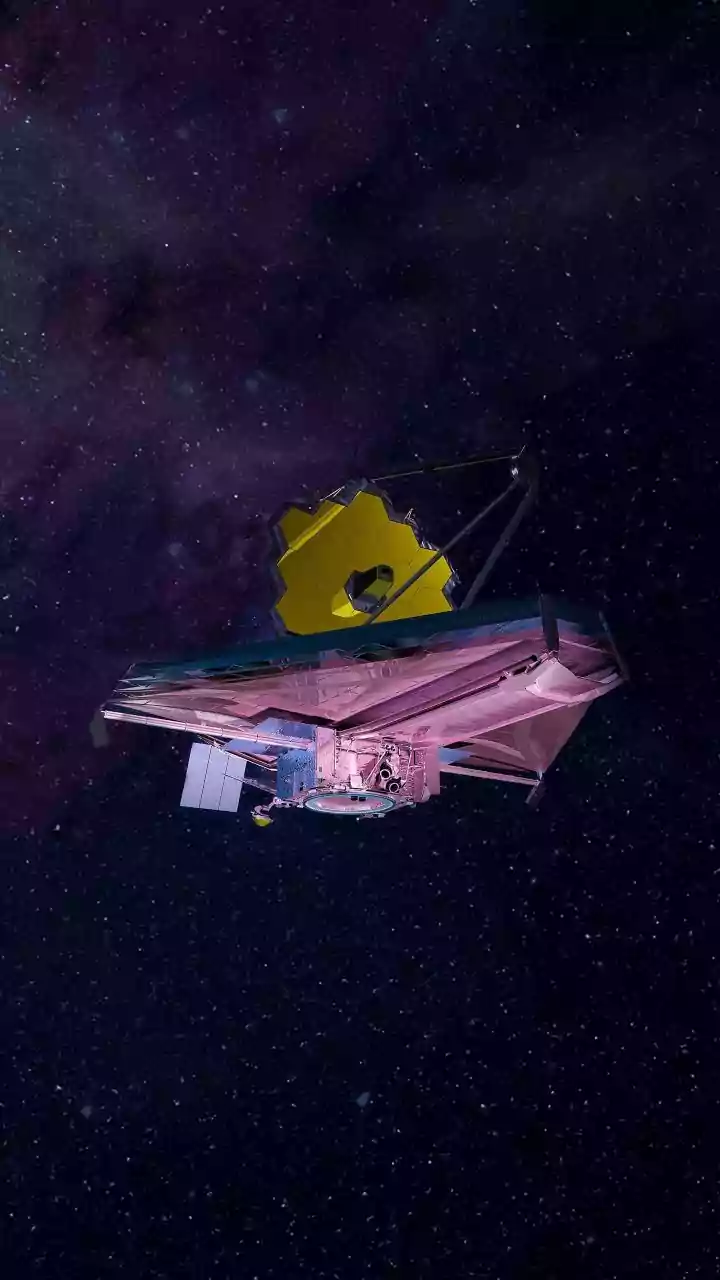
Launched in October 2024, NASA's Europa Clipper is not a life-detection mission in the sense of looking for alien creatures. Instead, its primary goal is to determine if Europa has the right conditions to support life as we know it: liquid water, essential
chemical ingredients, and a source of energy. To do this, the spacecraft won't orbit Europa directly, which would expose it to Jupiter's fierce radiation. Instead, it will make a series of nearly 50 high-speed, low-altitude flybys, dipping in to gather data before retreating to a safer, long-looping orbit around Jupiter itself. This strategy allows the probe, the largest interplanetary spacecraft NASA has ever built, to survive long enough to complete its four-year scientific survey after its arrival in 2030.
Peering Beneath the Ice
Confirming and characterizing the ocean is a top priority. Clipper will use a sophisticated suite of instruments to effectively give Europa a full-body scan. The Radar for Europa Assessment and Sounding: Ocean to Near-surface (REASON) instrument will act like a ground-penetrating radar, sending radio waves through the ice shell, which is estimated to be 3 to 30 kilometers thick. By analyzing the returning echoes, scientists can measure the ice's thickness and search for the tell-tale reflection of a liquid water ocean beneath it. At the same time, the Europa Clipper Magnetometer (ECM) will measure the magnetic field around the moon. Because a salty, liquid ocean would interact with Jupiter's powerful magnetic field, this data will provide strong evidence for the ocean's existence, depth, and even its salinity.
Sniffing for Life's Building Blocks
Perhaps the most exciting part of the mission is its ability to directly sample material from Europa without landing. Scientists have seen evidence of plumes of water vapor erupting from the moon's surface. If Clipper flies through one of these plumes, two key instruments will get to work. The SUrface Dust Analyzer (SUDA) and the Mass Spectrometer for Planetary Exploration (MASPEX) are designed to 'sniff' the gas and dust. They will analyze the chemical composition of these particles, looking for the building blocks of life, such as amino acids or other organic compounds. Even if no active plumes are found, these instruments can still analyze the tiny particles kicked up from the surface by micrometeorite impacts, which could contain material that originated in the ocean below.
Mapping a Dynamic World
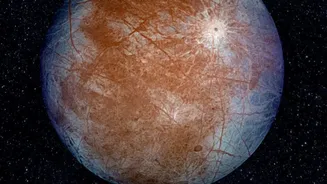
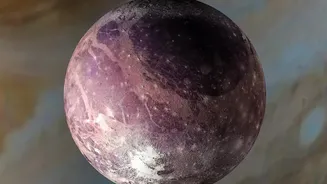
Understanding Europa's surface is crucial for deciphering the story of its ocean. The Europa Imaging System (EIS), with its wide and narrow-angle cameras, will map about 90% of the moon's surface in stunning high resolution—down to just a few feet in some areas. These images will help scientists study the strange 'chaos terrain', where the icy crust appears to have broken apart and refrozen, and look for signs of recent geological activity. Complementing the cameras is the Europa Thermal Emission Imaging System (E-THEMIS), which will use infrared to detect warmer spots on the surface. A hot spot could indicate that warm ocean water is interacting with the ice shell close to the surface, pointing to potential sites for future lander missions.