


Why Humidity Changes Your Watering Routine
To understand why humid days are risky, we need to talk about transpiration. This is the process where plants release water vapour through tiny pores in their leaves, called stomata. It’s like how we sweat to cool down. This process pulls water up from
the roots, delivering nutrients throughout the plant. However, when the air is already saturated with moisture (high humidity), transpiration slows down significantly. The air simply can't accept much more water from the leaves. As a result, the plant uses less water from the soil. If you continue watering on the same schedule as you would on a dry day, the soil stays soggy, the roots can't breathe, and you set the stage for disaster.
The Telltale Signs of Overwatering
Overwatering can be deceptive because its symptoms sometimes mimic those of an underwatered plant. The key difference is the feel of the soil and the leaves. An overwatered plant will often have yellowing leaves, especially lower ones, that feel soft and limp, not dry and crispy. You might also see leaves dropping prematurely, both old and new. One of the most serious consequences is root rot, where the roots turn dark, mushy, and may give off a foul, musty odour because they are suffocating. Other red flags include mould or fungus growing on the soil's surface, a constant swarm of tiny fungus gnats, or brown spots on the leaves surrounded by a yellow halo.
Ditch the Schedule, Trust the Soil
The single most important shift to make during humid weather is to abandon a strict watering schedule. Instead of watering every Sunday, for example, check your plants every few days. The most reliable method is the finger test: stick your index finger about two inches into the soil. If it feels dry at that depth, it's time to water. If you feel any moisture, wait another day or two and check again. For larger pots, a wooden dowel or a moisture meter can give you a more accurate reading of the conditions deeper down, where root rot often begins. When you do water, do it thoroughly until water runs out of the drainage holes, then empty the saucer so the plant isn't left sitting in a puddle.
Improve Airflow and Consider Plant Type
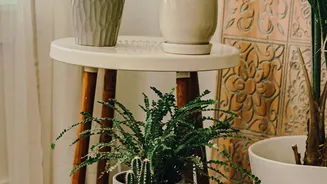
Besides adjusting your watering habits, improving air circulation can make a huge difference on muggy days. Stagnant, humid air is a breeding ground for fungal problems. Opening a window or using a small, oscillating fan on a low setting can help evaporate excess moisture from the soil and leaves, and it aids in transpiration. Strategically spacing your plants to give them room to breathe also helps. Remember that not all plants have the same needs. Succulents and cacti, for instance, store water in their leaves and are extremely susceptible to rot in humid, wet conditions. They will need much less water than their tropical counterparts like ferns and calatheas, which are more accustomed to moisture but still vulnerable to consistently waterlogged soil. Always research your specific plant's preferences.