



The Monsoon's Secret Harvest
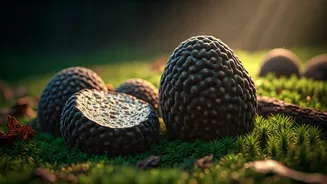
When the monsoon clouds gather over the forests of Jharkhand, Odisha, and Chhattisgarh, something magical happens beneath the soil. As lightning streaks across the sky and thunder rumbles, local legend says that a unique vegetable is born. This is Rugda,
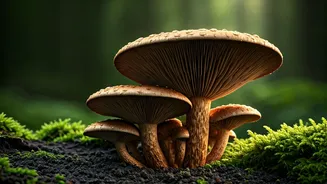
a subterranean mushroom that looks like a small, peeled potato but holds a world of flavour within its unassuming form. Foraged by tribal communities from the roots of Sal trees, Rugda (also known as Puttu or Putu) is not farmed but harvested from the wild. Its arrival is entirely dependent on the first few showers of the season, making it a true and fleeting gift of nature.
A Taste of the Earth
To taste Rugda is to taste the very essence of the monsoon-soaked forest floor. It has a deeply earthy, savoury flavour that’s hard to pin down. When cooked, its firm, fleshy texture becomes wonderfully chewy and tender, earning it the affectionate nickname 'vegetarian's mutton'. For generations, it has been a protein-rich staple for the communities that gather it. Traditionally, Rugda is prepared simply. It’s often cooked in a light, fragrant curry with onion, tomato, ginger, and garlic, a preparation that allows the mushroom’s unique character to be the star. The goal was never to mask its flavour, but to celebrate it in hearty, nourishing dishes enjoyed during the rainy season.
From Forest Floor to Fine Dining
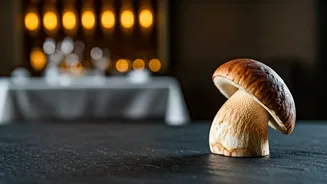
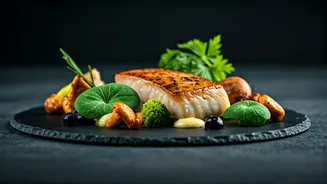
This is where the story takes a fascinating turn. The humble Rugda is no longer confined to local markets and village kitchens. A new generation of Indian chefs, passionate about celebrating indigenous ingredients and regional cuisines, has discovered its potential. In the sophisticated kitchens of urban restaurants and boutique hotels, Rugda is being reimagined. This is the 'luxury twist': treating a foraged ingredient with the same reverence once reserved for imported truffles or shiitake mushrooms. Chefs are drawn to its unique texture and authentic story. They are moving beyond the traditional curry and experimenting with global techniques to highlight its versatility.
The New Gourmet Treatment
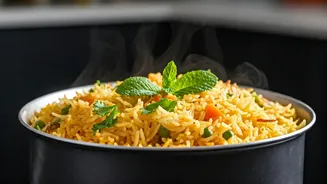
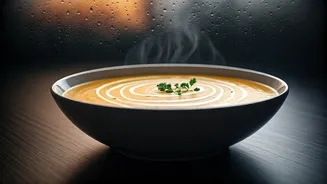
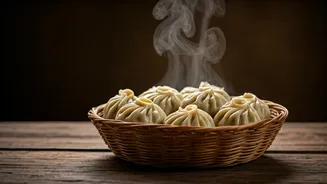
Imagine a delicate Rugda consommé, where its earthy notes are clarified into a light, aromatic broth. Picture it pan-seared with butter and herbs, served alongside grilled meats or as a standalone appetizer. Some chefs are using it as a rich filling for koftas, samosas, or even Italian-style ravioli, creating a surprising and delightful fusion. Others might feature it in a modern biryani or a complex layered dish where its chewy bite provides a perfect textural contrast. By applying these fine-dining techniques, chefs are not just cooking Rugda; they are introducing it to a new audience, elevating it from a rustic staple to a gourmet experience that tells a story of terroir and tradition.
The Price of Rarity
This newfound fame, however, comes at a cost. Rugda cannot be cultivated, and its season is notoriously short, lasting only a few weeks. The foraging process is laborious, and as its popularity grows in cities, demand is beginning to outstrip supply. This scarcity, combined with the logistics of transporting a perishable product from remote forests to urban centres, drives up its price. In city markets, Rugda can sell for anywhere between ₹800 to ₹1,200 per kilogram, placing it firmly in the category of a luxury item. Its high price and limited availability only add to its allure, making it a coveted ingredient for those seeking an exclusive and authentic culinary experience.