




Embrace the Rain, Not Run From It
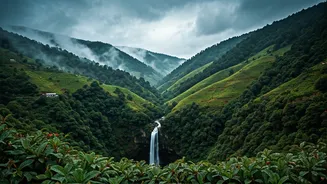
In most travel guides, monsoon season is a footnote, a time to avoid. In Meghalaya, it’s the headline act. This is when the state truly lives up to its name. The rain washes the landscape clean, leaving behind an emerald-green paradise that seems to pulse
with life. The clouds don't just hang in the sky; they descend into the valleys, wrapping around the hills and creating a surreal, dreamlike atmosphere. Forget the notion of being stuck indoors. Here, the rain orchestrates a symphony of natural wonders, inviting you to witness a world reborn.
Chase Waterfalls in Their Full Glory
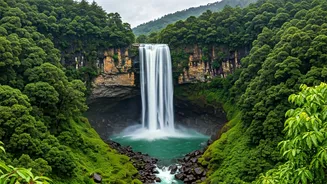
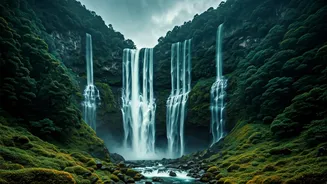
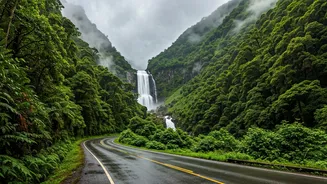
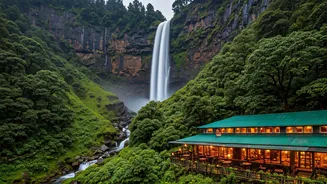
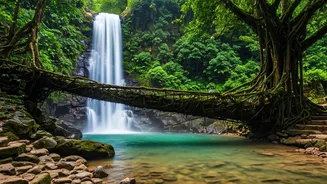
The monsoon brings Meghalaya's waterfalls to life, turning gentle trickles into thundering spectacles. The iconic Nohkalikai Falls, India’s tallest plunge waterfall, is a must-see, dropping 340 metres into a turquoise pool. Nearby, the Seven Sisters Falls (Nohsngithiang Falls) and the three-tiered Elephant Falls roar with a power they only possess during these months. For a truly breathtaking sight, seek out Wei Sawdong Falls, a tiered cascade that becomes a powerful, unified torrent, or the beautiful Krang Suri Falls in Jaintia Hills.
Walk Across Living Marvels of Bio-Engineering
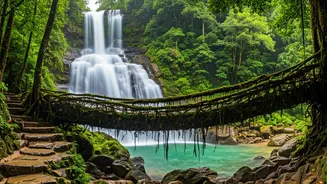
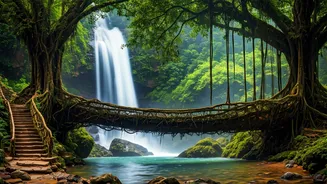
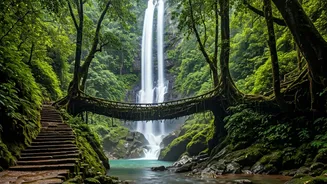
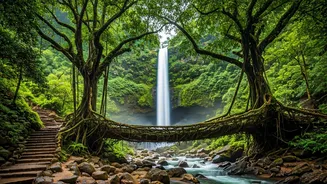
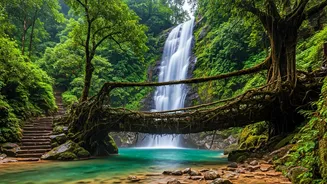
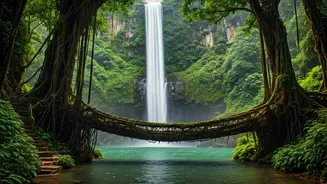
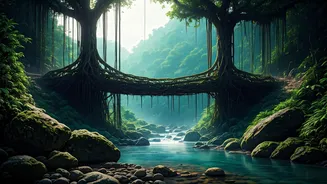
Meghalaya's most iconic wonders, the living root bridges, are particularly enchanting during the monsoon. These incredible structures, hand-woven by the Khasi people from the aerial roots of rubber trees, are a testament to patient, sustainable engineering. The trek to the famous Double-Decker Root Bridge in Nongriat village is an adventure in itself, involving a descent of around 3,500 steps. The journey is rewarded with the sight of the bridges draped in green moss, surrounded by lush forests and the roar of swollen rivers below. The rain makes the entire experience more immersive and the surrounding jungle even more vibrant.
Explore the World's Wettest Corners
A trip to monsoon-era Meghalaya isn’t complete without visiting the epicentres of rain: Mawsynram and Cherrapunji (Sohra). Holding the title for the highest average annual rainfall, Mawsynram offers a profound experience of what it means to live with constant rain. Both villages sit on the edge of the Khasi Hills, where monsoon winds from the Bay of Bengal unload their moisture. Beyond just the rain, the area is home to fascinating cave systems like Mawsmai Cave, which becomes a thrilling adventure with water flowing through its passages.
Practical Magic: Planning Your Monsoon Trip
A monsoon trip to Meghalaya requires some planning. The best time for peak monsoon scenery is from July to August. Pack light, quick-drying clothes and avoid cotton, which stays wet. A high-quality waterproof jacket or poncho is non-negotiable, as are sturdy trekking shoes with excellent grip for slippery trails. Protect your electronics with waterproof bags or covers. It's wise to start your days early, as rain can be heavier in the afternoons, and to hire a local driver who is experienced with the road conditions. While some minor roads might be challenging, the main routes to popular spots are generally well-maintained.