



The Age of the Universal Curry
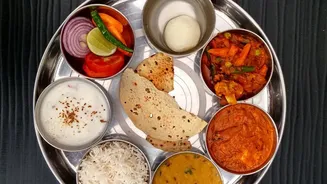
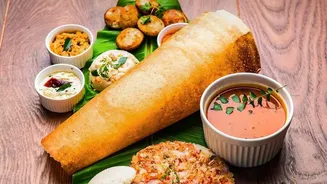
Not long ago, the term “Indian food” in a restaurant setting conjured a specific, though limited, menu. It was a world dominated by North Indian heavyweights like butter chicken, paneer tikka masala, and dal makhani, with the occasional generic “Madrasi”
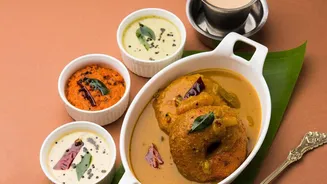
dosa or idli representing the entire southern peninsula. This familiar canon of dishes provided a comforting and reliable experience, but it also painted a monolithic picture of a subcontinent bursting with culinary diversity. For generations, this was the accepted norm. Restaurants standardized their offerings to cater to a broad audience, creating a shared vocabulary of popular dishes that, while delicious, barely scratched the surface of India's true gastronomic depth.
The Digital Spice Route
The catalyst for change, unsurprisingly, has been digital. Social media platforms like Instagram and YouTube have become virtual spice routes, transporting users to the kitchens and streets of regions they may have never visited. A viral reel of a Naga pork curry or a food blogger's journey through the kitchens of Chettinad can create an immediate desire for authentic, new experiences. This visual, story-driven exposure demystifies regional food, making it accessible and desirable to a national audience. People are no longer just hearing about these dishes; they are seeing them prepared, plated, and enjoyed, sparking a curiosity that transcends the standard restaurant menu.
A Craving for Authenticity and Connection
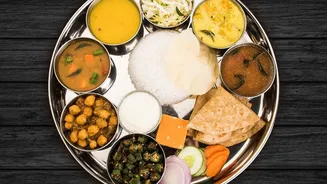
Parallel to the digital boom is a deeper cultural shift. A new generation of diners, shaped by travel and media, is seeking more layered and authentic expressions of Indian food. There is a growing pride in regional identity and a desire for food that tells a story—about its geography, its community, and its history. This is coupled with a wave of nostalgia, as a mobile workforce living in metro cities craves the taste of home. The demand is not just for novelty, but for the comforting, home-style meals that remind them of their roots, driving the popularity of restaurants and delivery services that specialize in specific regional traditions.
Chefs as Culinary Curators
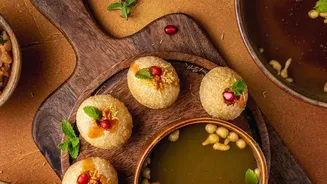
India's chefs and restaurateurs are at the forefront of this movement. A new generation is moving beyond familiar classics to celebrate overlooked communities, forgotten techniques, and hyper-local ingredients. They are acting as curators, researching and reviving dishes from specific regions like Kerala, Goa, or the Himalayan states, and presenting them in both traditional and contemporary formats. These culinary pioneers are transforming fine dining by proving that a dish's value lies in its unique story and provenance, whether it's from a remote fishing village or a forest community. This has led to a rise in restaurants with specialized menus that are seeing faster growth than their generic counterparts.
Redefining 'Indian Food' for Good
This trend extends beyond fine dining and metro cities. The interest in regional specificity is visible across packaged foods, beverages, and casual dining, even in Tier-2 and Tier-3 cities. Brands are highlighting the provenance of their ingredients, from Konkan coast kokum to Coorg pepper, tapping into a strong sentiment for locally made products. This shift is also influencing how the world sees Indian cuisine. The global conversation is moving past generic curries towards the nuanced, diverse, and complex flavours of specific regions, much like the evolution of Italian or Chinese food in the global consciousness.