



The End of One-Size-Fits-All
For decades, the Indian beauty market was characterized by a handful of legacy brands offering generic solutions for broad categories like 'oily' or 'dry' skin. Consumers had limited choices, often relying on brand reputation rather than product suitability.
However, today's Indian consumer is more informed and discerning than ever. They are no longer satisfied with mass-market products that fail to address their specific needs, which can be influenced by India's diverse climates and genetic predispositions. This growing awareness has created a demand for products that cater to niche concerns like hyperpigmentation, acne, or a compromised skin barrier, pushing brands to move beyond generic formulations.
The 'Skinfluencer' Effect
Social media platforms like Instagram and YouTube have become virtual classrooms for beauty enthusiasts. A new generation of 'skinfluencers' and dermatologists are demystifying complex skincare topics, educating their followers on the science behind ingredients and formulations. They share detailed personal routines and product reviews, empowering consumers to become experts on their own skin. This digital shift has moved the focus from celebrity endorsements to peer reviews and expert advice. As consumers become more ingredient-aware, they are making purchase decisions based on specific active components like salicylic acid or alpha arbutin, rather than just marketing claims. This has fueled a desire for routines that are thoughtfully curated and highly effective.
Technology-Powered Personalization
Artificial intelligence (AI) and augmented reality (AR) are revolutionizing the way Indians shop for beauty. Brands are now using AI-powered quizzes and even selfie analysis tools to diagnose skin concerns and recommend customized regimens. Companies like SkinKraft and Vedix use detailed assessments to create bespoke products tailored to an individual’s unique skin or hair profile, sometimes blending modern science with Ayurvedic principles. Furthermore, AR-driven virtual try-on features from retailers like Nykaa and brands like MAC Cosmetics allow users to experiment with makeup shades from home, boosting purchasing confidence and making the experience more engaging and personal.
The Rise of D2C Brands
The explosion of direct-to-consumer (D2C) brands has been a major catalyst in the personalization movement. Unburdened by the constraints of traditional retail, these agile, digital-native brands can cater to specific and often underserved market segments. Brands like Mamaearth, Sugar Cosmetics, and Minimalist have built strong communities by engaging directly with their customers, listening to their needs, and offering targeted solutions. By focusing on ingredient transparency, education, and niche concerns, D2C companies have successfully challenged the dominance of legacy players and made personalized beauty more accessible than ever.
A Cultural Shift Towards Self-Care
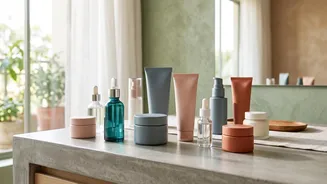
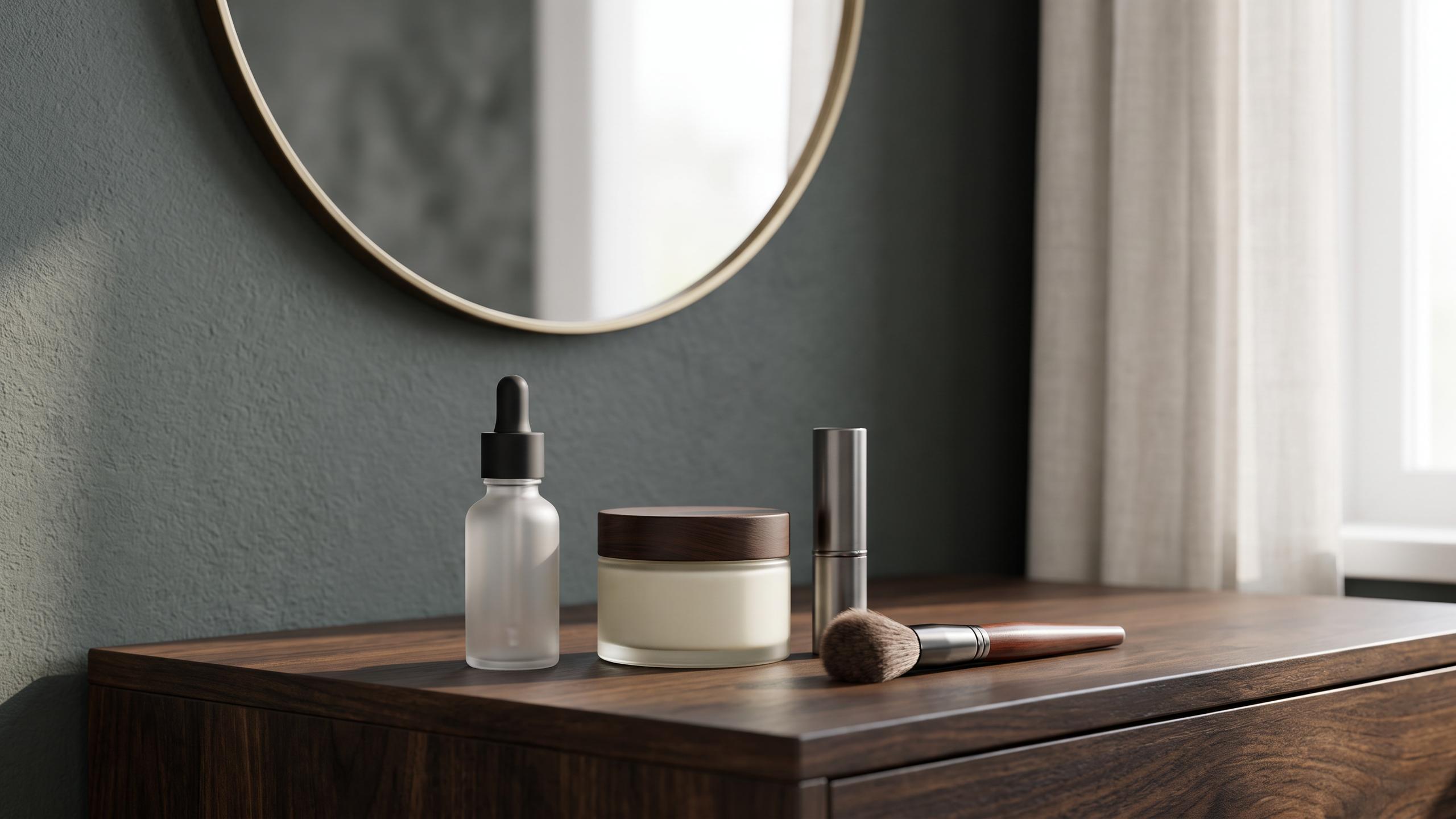
Ultimately, the trend towards individualization is part of a larger cultural shift. Beauty is increasingly viewed not just as a means to look good, but as an act of wellness and self-expression. A personalized routine is a mindful ritual, a way to connect with and care for oneself. This approach harks back to traditional Indian practices like Ayurveda, which have always emphasized customized, holistic well-being. In a world of mass production, a curated shelf of products that are chosen specifically for you is a statement of identity. It signifies a move away from conforming to universal beauty standards and towards celebrating one's own unique needs and preferences.