






What is the Control Room?
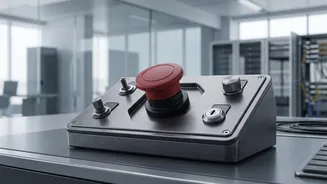
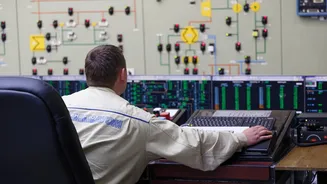
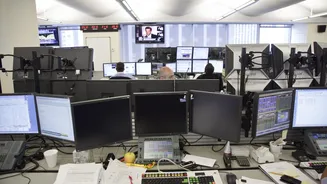
OpenAI has announced a new internal system called the 'Control Room'. This isn't a physical room with giant screens, but rather a sophisticated, centralized digital framework designed to track, monitor, and, if necessary, halt research projects across
the company. It connects every research job—from model training experiments to data processing tasks—into a single, unified system. This represents a significant evolution from a more decentralized research environment to a highly structured, industrial-scale operation. The goal is to create a robust mechanism for oversight as AI models become increasingly complex and autonomous, ensuring that every experiment is visible and controllable.
The Power of a Unique ID
At the heart of the Control Room is a simple but powerful concept: every single research workload or experiment is assigned a unique 'job_id' from the moment it begins. This identifier acts as a digital passport, linking the project to the researchers involved, the computational resources used, the datasets accessed, and the specific model versions it creates. Whenever a job requests an action from an AI model (known as an 'inference request'), it must present its job_id. The model’s engine then checks with the Control Room to ensure the job is still authorized to proceed. This creates an unbroken, auditable chain of custody, which is crucial for debugging, security, and understanding how and why a model behaves a certain way.
Why This, Why Now?
The implementation of the Control Room is driven by the growing scale and risk associated with frontier AI research. As OpenAI runs thousands of experiments in parallel, this system helps manage the immense computational resources required and prevents redundant efforts. More critically, it is a major safety and security measure. In the event a monitoring system detects that an AI agent is behaving unexpectedly or attempting to bypass its constraints—incidents which OpenAI has disclosed have happened—the Control Room allows human operators or automated systems to immediately intervene. By sending a termination request tied to the specific job_id, they can halt the rogue job's output within a reported 35 seconds, without affecting other ongoing research. The system is also designed to 'fail-closed', meaning if the Control Room itself goes offline, all research inference automatically stops until it's restored.
A New Blueprint for the Industry
This move by OpenAI is more than just an internal process upgrade; it signals a broader maturation of the entire AI field. By formalizing its research pipeline with such rigorous controls, OpenAI is establishing a potential blueprint for responsible AI development that other labs may feel pressured to follow. It marks a departure from the classic Silicon Valley ethos of 'move fast and break things' towards a more disciplined, engineering-focused approach appropriate for a technology with world-changing potential. This increased transparency and control is also a direct response to growing demands from policymakers and the public for greater accountability in how powerful AI systems are built and tested. By creating an auditable and controllable research environment, OpenAI is building a case that it can be trusted to manage the risks of creating ever-more-intelligent machines.