





Beyond the Basics of Digestion
For decades, the conversation around fiber was straightforward and a little unglamorous: it helps with regular bowel movements. While that’s absolutely true and vital for digestive health, the new buzz around fiber goes much deeper. The modern 'hack'
framing comes from a growing body of research highlighting fiber’s profound impact on metabolic health. It’s a powerful tool for managing blood sugar levels. When you eat fiber-rich foods, the sugar in them is absorbed more slowly, preventing the sharp spikes and subsequent crashes that can lead to energy slumps, cravings, and, over time, more serious conditions like type 2 diabetes. Furthermore, certain types of fiber can help lower LDL ('bad') cholesterol levels, contributing to better heart health. So, while it keeps your digestive system on track, its benefits ripple out to your entire body.
The Gut Microbiome: Your Body's Inner Garden
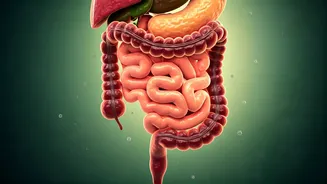
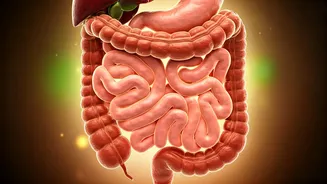
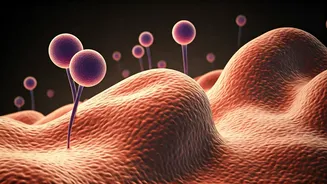
Here’s the real secret behind fiber’s newfound fame: the gut microbiome. Think of your gut as a bustling city of trillions of microorganisms, mostly bacteria. This ecosystem influences everything from your immune system and mood to how your body stores fat. This is where fiber shines as a 'prebiotic'. Prebiotics are essentially food for the good bacteria in your gut. When you consume dietary fiber, you’re not just feeding yourself; you’re nourishing these beneficial microbes. They ferment the fiber, producing short-chain fatty acids (SCFAs) like butyrate. These SCFAs are superstars for your health—they strengthen the gut lining, reduce inflammation throughout the body, and improve the body's sensitivity to insulin. A well-fed, diverse microbiome is now linked to stronger immunity, better mental clarity, and a more efficient metabolism, which is why nurturing it with fiber is considered such a powerful wellness strategy.
The 'Hack' for Sustainable Weight Management
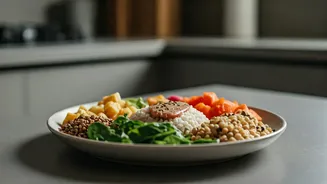
For anyone on a fitness journey, managing hunger and calorie intake is a constant challenge. Fiber is an incredibly effective, natural tool for this. Firstly, high-fiber foods are bulky and require more chewing, which slows down your eating and gives your brain time to register that you're full. This simple mechanical process helps prevent overeating. Secondly, fiber absorbs water in your digestive tract, swelling up to form a gel-like substance. This physically fills up your stomach and slows down the rate at which food leaves it, prolonging the feeling of satiety for hours after a meal. This means fewer cravings for unhealthy snacks between meals. Finally, fiber-rich whole foods are often less calorie-dense. A bowl of dal and vegetable sabzi will fill you up far more effectively than an equivalent calorie amount of processed snacks, making it easier to maintain a calorie deficit without feeling deprived.
Not All Fibers Are Created Equal
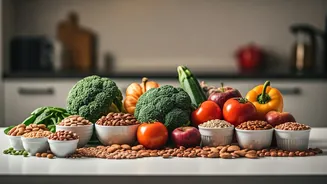
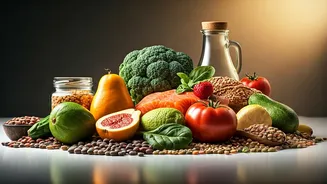
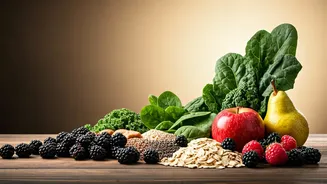
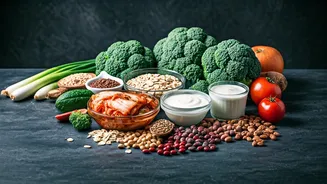
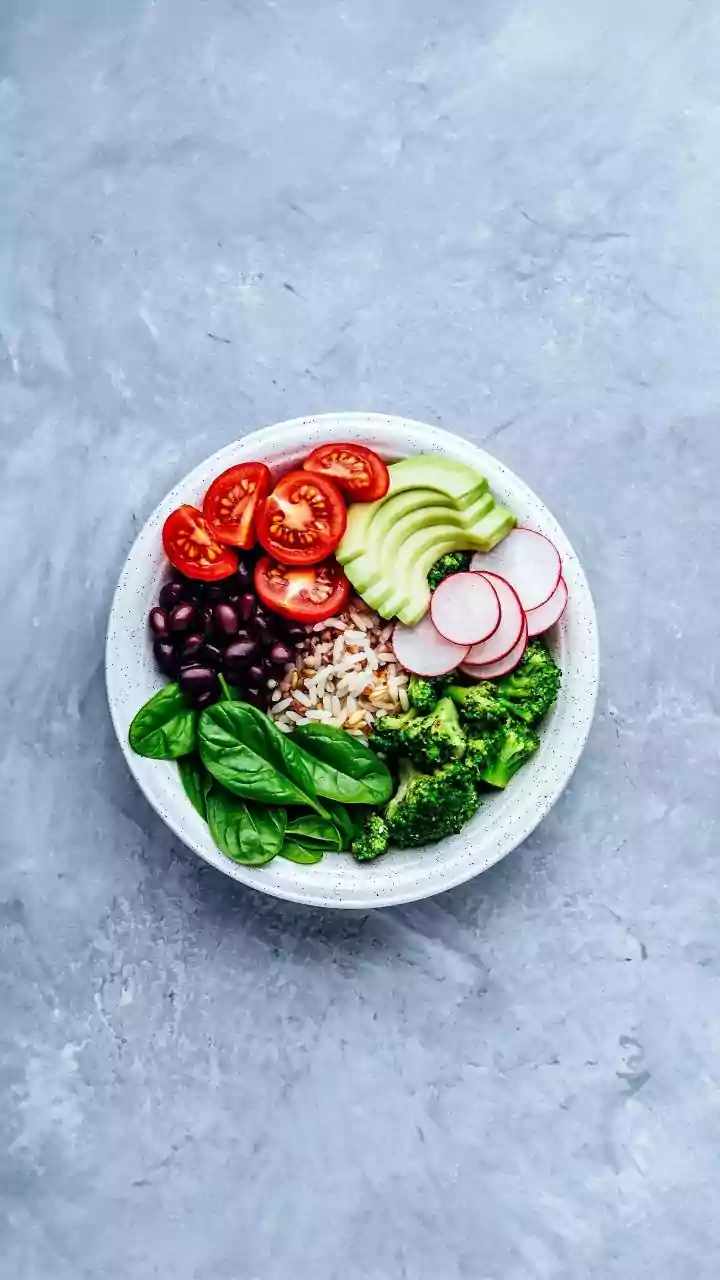
To truly harness the benefits, it helps to understand that there are two main types of fiber, and you need both. Soluble fiber dissolves in water to form that gel-like material. It’s the one responsible for lowering cholesterol and stabilising blood sugar. You’ll find it in oats, barley, nuts, seeds, beans, lentils, and fruits like apples and citrus. Insoluble fiber, on the other hand, does not dissolve in water. It adds bulk to your stool and helps food pass more quickly through the digestive system, preventing constipation. It’s found in foods like whole-wheat flour, millets (jowar, bajra), brown rice, cauliflower, green beans, and potatoes. The best approach isn’t to track each type obsessively, but to eat a wide variety of plant-based foods to ensure you’re getting a healthy mix of both.
Simple Swaps to Boost Your Fiber Intake
Incorporating more fiber into your Indian diet is easier than you think and doesn’t require expensive, imported 'superfoods'. Start with simple swaps. Choose whole-wheat or millet-based rotis (like jowar or ragi) over those made with refined maida. Opt for brown or unpolished rice instead of white rice. Make lentils and legumes (dal, chana, rajma) a daily staple. When you cook vegetables, try to keep the peels on where possible, such as with potatoes and carrots, as a lot of the fiber is in the skin. Snack on a handful of nuts, seeds, or a piece of seasonal fruit like a guava or an apple instead of packaged biscuits. By focusing on adding more whole, unprocessed plant foods to every meal, you’ll naturally increase your fiber intake and start reaping the rewards of this powerful, time-tested 'hack'.