





What Is ‘Authentic’ Tea Anyway?
For many, tea means the strong, brisk brew made from CTC (Crush, Tear, Curl) leaves, designed for a quick, powerful infusion perfect for milk and sugar. It’s the backbone of countless cups of masala chai across the nation. However, the word ‘authentic’
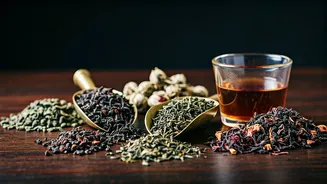
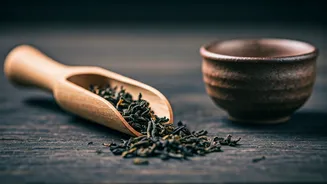
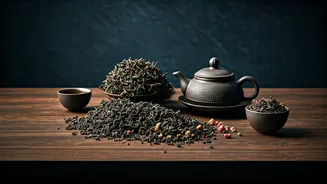
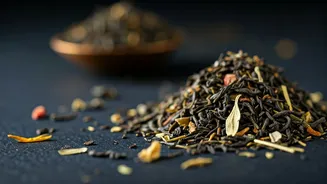
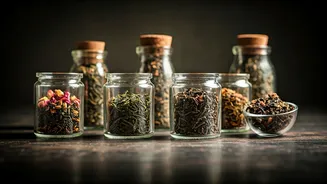
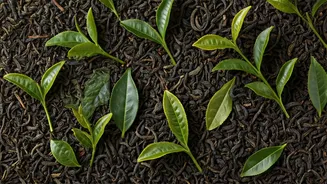
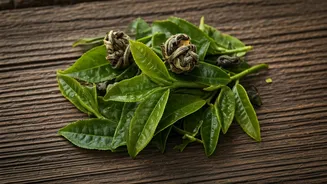
in this new context refers to orthodox, or loose-leaf teas. These teas are processed using traditional methods that preserve the whole leaf. This careful handling allows the tea to retain its complex, nuanced flavours and aromas, which are often tied to the specific 'terroir'—the soil, climate, and altitude—of the estate it was grown on, be it in Darjeeling, Assam, or the Nilgiris. Unlike the consistent, strong taste of CTC, orthodox teas offer a delicate and layered experience, meant to be appreciated on their own.
The Rise of the Digital Tea Aisle
Until recently, finding these premium, whole-leaf teas meant visiting a niche specialty store. Now, they are just a click away. The Direct-to-Consumer (D2C) model has transformed the landscape, with numerous Indian brands launching online shops to connect directly with tea lovers. These brands are bypassing traditional retail to deliver fresher products, often sourced directly from tea gardens. This digital shift is not just about e-commerce websites. Brands are using social media platforms and even WhatsApp to create communities, share brewing tips, and educate consumers. This allows them to tell the story behind each leaf, highlighting the specific estate, the season of harvest, and the farmers who grew it—a level of transparency rarely found on a supermarket shelf.
Why Now? The Quest for Mindful Consumption
Several factors are fueling this tea renaissance. A growing consciousness around health and wellness is leading consumers to seek out natural, unprocessed options. Loose-leaf teas, particularly green, white, and oolong varieties, are rich in antioxidants and are perceived as a healthier alternative to other beverages. The ritual of brewing loose-leaf tea—measuring the leaves, heating water to the right temperature, and watching them unfurl—is also a form of mindfulness, a welcome pause in a hectic day. Furthermore, there is a rising interest in provenance and ethical sourcing. Consumers are increasingly curious about where their food comes from and are keen to support brands that offer transparency and ensure farmers get a fair price for their produce.
A Beginner’s Guide to Brewing
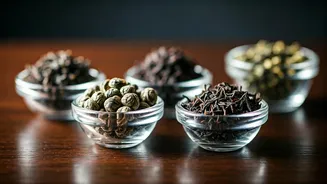
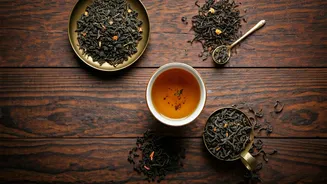
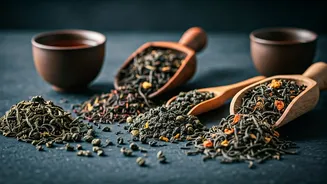
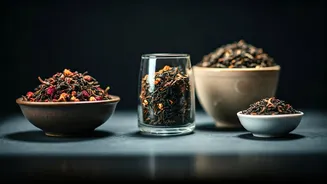
Diving into the world of authentic tea can seem intimidating, but it doesn't have to be. Start with sampler packs, which many online brands offer, to explore different types without a big commitment. A Darjeeling First Flush, with its light, floral notes, is a world away from a malty, full-bodied Assam orthodox tea. A simple infuser or even a basic strainer is all you need to get started. Pay attention to brewing guidelines; unlike CTC, these teas are sensitive. Green tea, for instance, becomes bitter with boiling water, preferring a gentler temperature. While it might take a cup or two to get right, the reward is a flavour far more complex and satisfying than you ever thought tea could be.