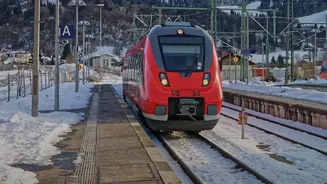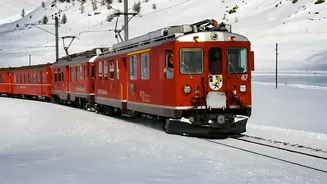



First, Define Your Ideal Winter Journey
Before you book your ticket, take a moment to consider what kind of trip you’re looking for. Are you a history enthusiast charmed by the colonial-era engineering of heritage 'toy trains'? Or perhaps you're seeking the dramatic, pristine beauty of a modern
railway line cutting through a remote, snow-heavy valley. Consider factors like your budget, the length of the journey, and your tolerance for the slow, winding pace of mountain railways versus the efficiency of a modern line. Your preference for a nostalgic, leisurely ride or a visually stunning, contemporary experience will be the biggest factor in your decision.
The Heritage Routes: Kalka-Shimla Railway
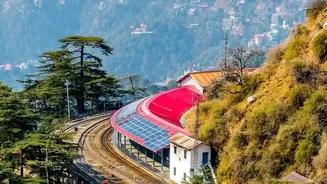
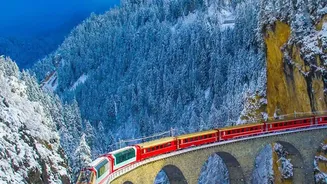
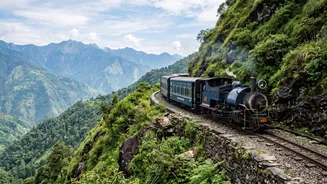
For a journey steeped in history and charm, the Kalka-Shimla Railway is a top contender. A UNESCO World Heritage Site, this narrow-gauge railway has been chugging along since 1903. The train slowly winds its way through over 100 tunnels and across more than 800 bridges, climbing from Kalka to the hill station of Shimla. The best time for a potential snow sighting is during the peak winter months of December and January. The slow pace, which takes about five to seven hours, is part of the appeal, allowing you to soak in the views of pine forests and valleys blanketed in white. This route is perfect for those who appreciate a slower, more romantic mode of travel.
The Eastern Gem: Darjeeling Himalayan Railway
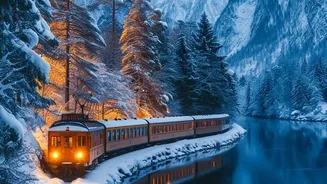
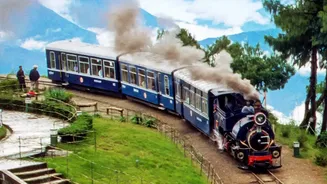
Another UNESCO World Heritage Site, the Darjeeling Himalayan Railway, affectionately known as the 'Toy Train', offers a different but equally magical snow experience. The route from New Jalpaiguri to Darjeeling climbs to over 7,200 feet, passing through bustling markets and serene tea gardens. Snowfall is common in Darjeeling's higher reaches, particularly around Ghum station—India’s highest railway station—during the winter season. A ride on this railway, with steam billowing from a vintage locomotive against a backdrop of the snow-capped Kanchenjunga, is like stepping back in time. This trip is ideal for lovers of majestic mountain views and colonial history.
The Modern Marvel: Kashmir's Banihal-Baramulla Line
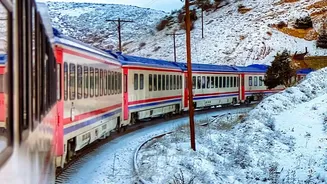
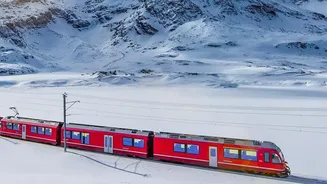
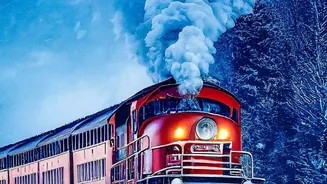
For a truly dramatic and modern snow journey, nothing beats the railway line through the Kashmir Valley. The stretch from Banihal to Baramulla offers spectacular views of a landscape completely transformed by heavy snowfall. Unlike the colonial-era toy trains, this is a broad-gauge line that showcases contemporary Indian engineering, including the 11-km Pir Panjal tunnel. The sight of the train moving through vast, snow-covered fields and past chinar trees laden with ice is breathtaking. This journey is for the traveller seeking awe-inspiring, pristine winter scenery. However, be mindful that heavy snowfall can sometimes lead to service disruptions for safety reasons.
Enhance Your View with Vistadome Coaches
To elevate your scenic journey, look for trains equipped with Vistadome coaches. These special carriages feature large glass windows, transparent roofs, and seats that can rotate 180 degrees, offering panoramic views of the surroundings. Vistadome coaches are available on select services along the Kalka-Shimla route, allowing for an even more immersive experience of the snowy landscapes. They are becoming increasingly popular across India's scenic routes, and booking one can turn a beautiful trip into an extraordinary one. Always check for the 'EV' coach code when booking on the IRCTC website to ensure you get a seat in one of these special carriages.
Practical Tips for Planning
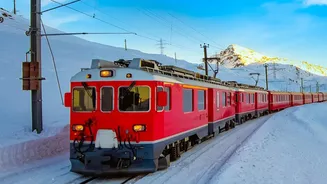
Booking your snow train trip requires some advance planning. Tickets for popular routes, especially the heritage toy trains, sell out quickly, so it's best to book at least a month in advance via the official IRCTC website or app. The prime window for experiencing snow is typically from late December to early February, but this can vary each year. Pack warm clothing in layers, as temperatures can be very low. Finally, be prepared for potential delays; mountain weather is unpredictable, and safety is the railway's top priority, which can sometimes mean a slower journey or schedule changes.