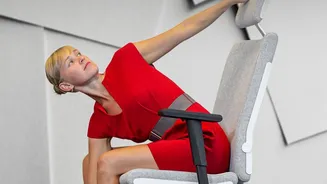








The Desk Worker's Energy Crisis
Sitting for eight hours a day does more than just make your back ache. It puts your body into a low-energy-demand state, which can paradoxically leave you feeling drained and sluggish. This sedentary lifestyle can impair your body's metabolic health,
making it harder for your cells to produce and use energy efficiently. The result is a cycle of fatigue that another espresso can't fix. Many people try to combat this with intense, punishing workouts, but this often leads to burnout and injury, especially when your body is already under-stimulated from a day at the desk.
What is Zone 2 Training?
Zone 2 training is steady, low-to-moderate intensity aerobic exercise. A simple way to think about it is the 'conversational pace'. During a Zone 2 workout, you should be able to hold a conversation without gasping for breath. If you're using a heart rate monitor, this typically corresponds to working at 60-70% of your maximum heart rate. Unlike high-intensity interval training (HIIT), which is about short, unsustainable bursts of maximum effort, Zone 2 is about maintaining a comfortable effort for a longer duration, often 30 minutes or more. The goal isn't to feel exhausted, but to build a solid aerobic foundation.
The Science of Sustainable Energy
The magic of Zone 2 lies at the cellular level, specifically with your mitochondria. Think of mitochondria as the tiny power plants inside your cells that convert fuel (like fats and carbohydrates) into energy. Zone 2 training is uniquely effective at improving mitochondrial function. It encourages your body to become more efficient at burning fat for fuel, a slow and stable energy source. It also increases the number and health of your mitochondria. This means your body's 'power grid' becomes larger and more efficient, leading to higher energy levels not just during exercise, but throughout your entire day. People with poor metabolic health often struggle to use fat for energy, relying on quicker-burning glucose even at rest, but Zone 2 trains the body to change this.
Why It's Perfect for a Sedentary Lifestyle
For desk workers, Zone 2 training is a perfect antidote to a sedentary day. It provides a stimulus for your aerobic system without adding significant physical stress or fatigue to your body. This is crucial when you're trying to build a consistent habit. Because it's lower intensity, the risk of injury is reduced and recovery is faster, making you more likely to stick with it. By improving your body's ability to use oxygen and burn fat, it directly counteracts the metabolic sluggishness that comes from long hours of sitting. This can lead to a lower resting heart rate, improved cardiovascular health, and better resilience to stress.
How to Get Started with Zone 2
Getting started is simple, as many activities can be adapted for Zone 2. The key is to maintain that conversational pace for a sustained period. Aim for two to three sessions per week, building up to at least 150 minutes of moderate activity weekly. Here are some easy ways to begin: Brisk Walking: This is perhaps the most accessible Zone 2 workout. Aim for a pace that covers a mile in about 15 to 20 minutes. Light Cycling: A steady pace on a stationary bike or a flat outdoor path is an excellent, low-impact option. Slow Jogging: Run at a pace that feels easy and controlled, where you could still chat with a friend. Elliptical or Rower: These machines provide a full-body workout that can easily be kept within the Zone 2 heart rate range.