




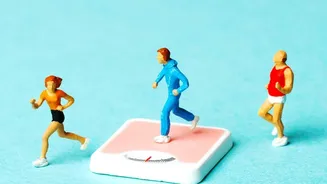
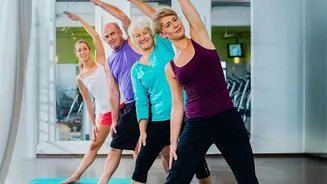
The Easy Run and The Elegant Waltz
Think of your easy, conversational-pace run—the kind where you can chat with a friend without gasping for air. This effort, typically around 60-70% of your maximum heart rate, is all about building an aerobic base and aiding recovery. Its dance equivalent
is the slow, graceful ballroom dance, like a waltz or foxtrot. These styles are low-impact and focus on posture, control, and connection with a partner. While they may not leave you breathless, they build muscular endurance, balance, and body awareness. According to a compendium of physical activities, a slow waltz has a metabolic equivalent (MET) value of 3.0, signifying a light-to-moderate effort that keeps you moving without intense strain. Just like a recovery run, it's a sustainable activity that prioritizes form over pure exertion.
The Tempo Run and Energetic Salsa
Now, let’s pick up the pace. A tempo run is 'comfortably hard', sitting at about 80-90% of your max heart rate. It’s a challenging pace you can sustain, but it requires focus. The dance parallel here is a fast-paced, energetic style like salsa or swing. These dances are vigorous and social, involving quick footwork, turns, and constant movement. An hour of salsa can burn between 400 and 500 calories, similar to a moderate run. Fast ballroom dancing carries a MET value of around 5.5. Like a tempo run, it pushes your cardiovascular system and improves your body’s ability to clear lactate, but the fun factor can make the effort feel less like a grind. It’s a full-body workout that engages your core, hips, and upper body in ways running doesn't.
Sprint Intervals and High-Energy Hip-Hop
Sprints are an all-out effort, pushing your heart rate to its absolute maximum (90-100%) for short, explosive bursts. This anaerobic work is designed to build power and speed. The dance world’s answer to this is a high-intensity hip-hop class or a vigorous Zumba session. These styles involve explosive, full-body movements that demand power and agility. A general aerobic dance class can have a MET value of 7.3, while hip-hop can be even higher, making them comparable to jogging or even running. The constant change in direction and level—jumping, dropping low, and moving side-to-side—mimics the explosive nature of interval training and builds a different kind of athletic resilience.
Why Runners Should Consider Dancing
If you're a dedicated runner, adding dance to your routine isn't just for fun; it's smart cross-training. Running is a repetitive, forward-motion activity that primarily strengthens the lower body. Dance, on the other hand, is a full-body workout that moves you through multiple planes of motion. This improves balance, coordination, and agility—all of which can make you a more efficient and less injury-prone runner. Styles like ballet and modern dance can significantly improve flexibility and core strength, helping to counteract the tightness that many runners experience. Studies have even shown that runners who incorporate dance workouts can see improvements in their race times, likely due to strengthening neglected stabilizer muscles.
Why Dancers Can Benefit From Running
The crossover benefits go both ways. While dancers often have incredible muscular strength, power, and flexibility, they can sometimes lack the specific cardiovascular engine built by steady-state cardio. A long, easy run can build the aerobic endurance needed to get through a demanding two-hour performance without fatiguing. Running strengthens the heart and improves oxygen efficiency in a way that the stop-and-start nature of many dance rehearsals doesn't. By incorporating a couple of easy or tempo runs into their week, dancers can ensure their cardiovascular fitness matches their technical skill, allowing them to perform at their peak for longer.