
A Sweet Revolution in Home Kitchens
Across India, a quiet but delicious transformation is taking place in home kitchens. Spurred by a mix of entrepreneurial spirit and creative passion, home bakers are moving beyond classic cakes and cupcakes. They are now crafting a new genre of sweets:
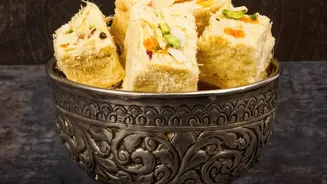
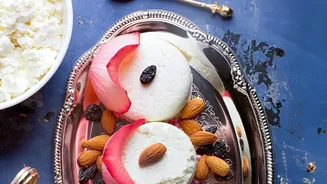
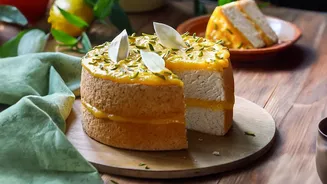
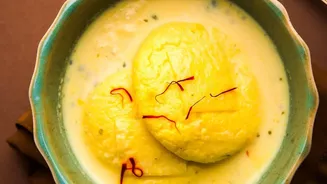
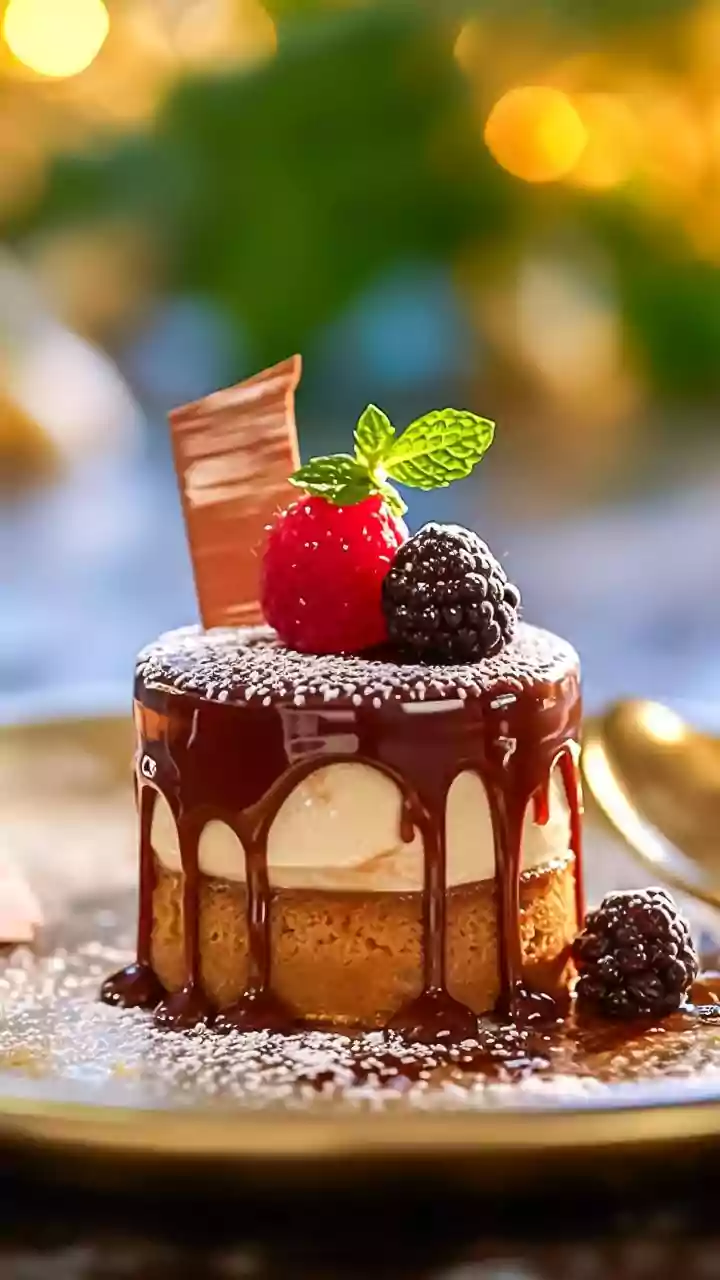
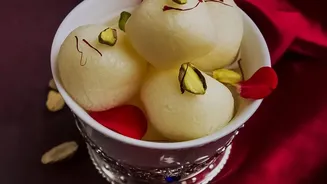
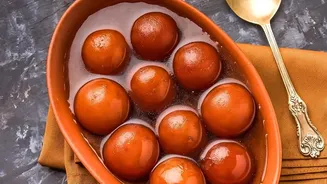
fusion desserts. This trend marries the beloved, aromatic flavours of traditional Indian mithai with the structures and techniques of Western baking. Imagine a velvety cheesecake with a surprise Gulab Jamun nestled inside, a classic Latin American Tres Leches cake soaked in saffron-infused Rasmalai milk, or a rich brownie built on a Parle-G biscuit crust. These creations aren't just about novelty; they represent a thoughtful evolution of taste, offering a sophisticated blend of the familiar and the exciting.
The New Class of Culinary Entrepreneurs
The rise of the home baker became particularly noticeable in recent years, with many turning a passion project into a viable business. With relatively low initial investment—often just a home oven and a knack for baking—these entrepreneurs have found a receptive market for customized and unique goods. This movement has been especially empowering for women, who form a large majority of these new business owners, leveraging the flexibility of a home-based operation. They are not just bakers; they are innovators, marketers, and business owners carving out a niche in India's booming bakery industry, which was valued at over USD 7 billion just a few years ago and continues to grow.
The Magic of Nostalgia and Novelty
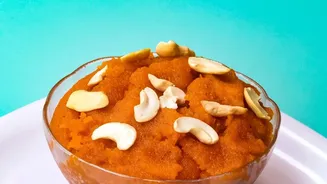
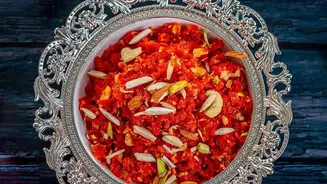
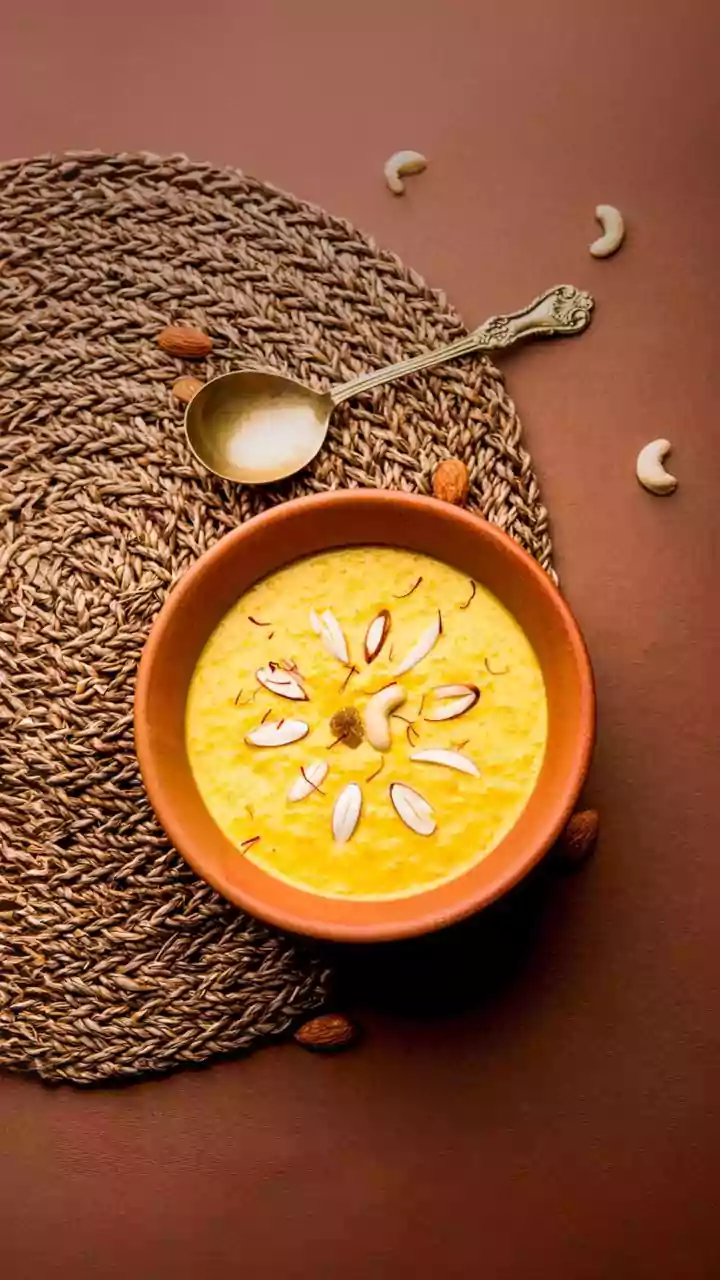
So why are these fusion desserts so popular? The appeal lies in their ability to evoke a sense of comforting nostalgia while delivering a fresh, modern experience. For many Indians, flavours like cardamom, saffron, rose, and pistachio are tied to festivals, family gatherings, and childhood memories. By incorporating these tastes into globally recognized dessert formats like tarts, trifles, and cheesecakes, home bakers create something that feels both celebratory and sophisticated. A Gajar Halwa tart, for instance, retains the soul of the traditional winter carrot pudding but presents it in a buttery, crisp shell that appeals to a contemporary palate. This blend of old and new resonates deeply with a modern Indian identity that is proud of its roots yet globally connected.
Fueled by Likes, Shares, and Reels
This culinary trend would be incomplete without the role of social media. For home bakers, platforms like Instagram and Facebook are not just marketing tools; they are their virtual storefronts. A single, well-shot Reel of a baker piping rabri frosting onto a cake or pouring a mirror glaze can reach thousands of potential local customers. The visual nature of these platforms is perfectly suited to showcasing the intricate and often beautiful designs of fusion desserts. Many successful home bakers report that a staggering 60-80% of their new business comes directly from Instagram. This digital ecosystem allows them to bypass the high overheads of a physical bakery and connect directly with a community of food lovers eager to try the next delicious innovation.