


What Did Scientists Actually Witness?
For the first time in history, an international team of researchers captured a complete seafloor spreading event as it happened. In a remote part of the southern Indian Ocean, along a massive underwater mountain range known as the Southeast Indian Ridge,
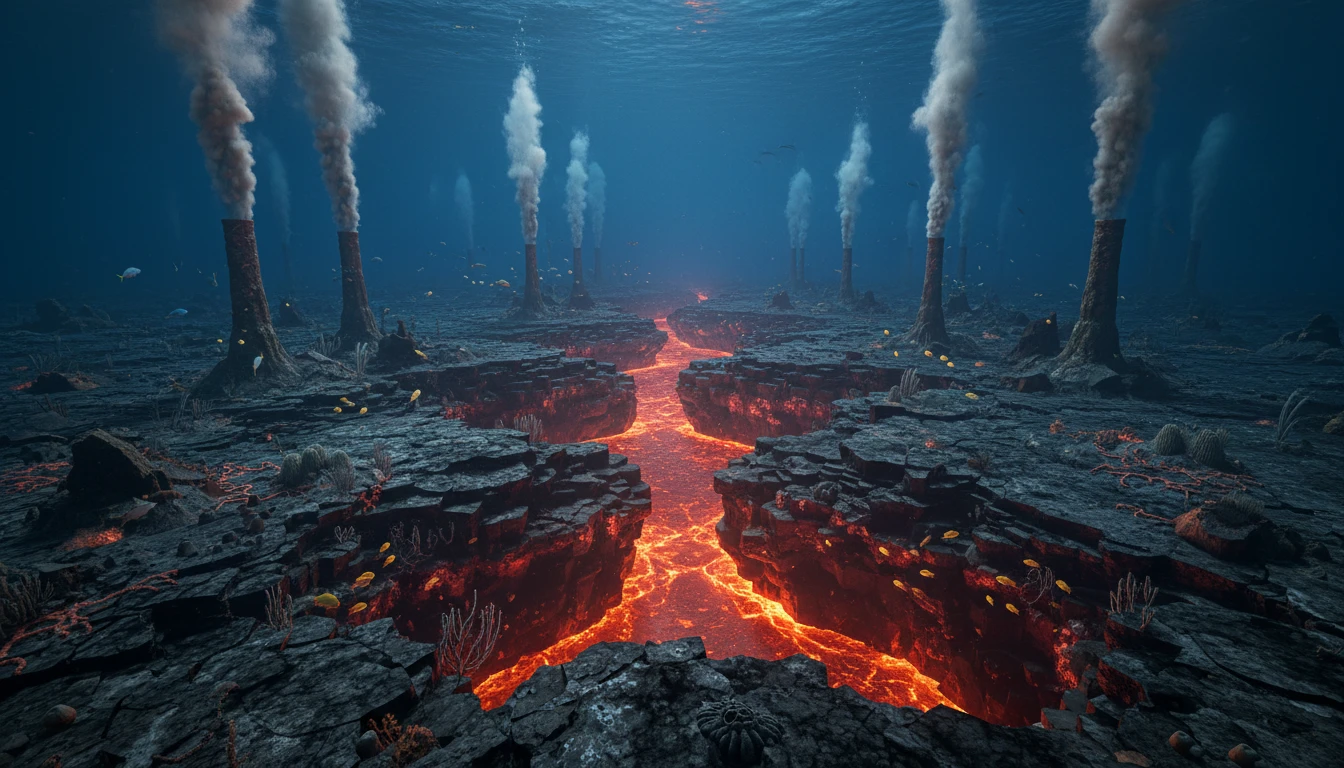
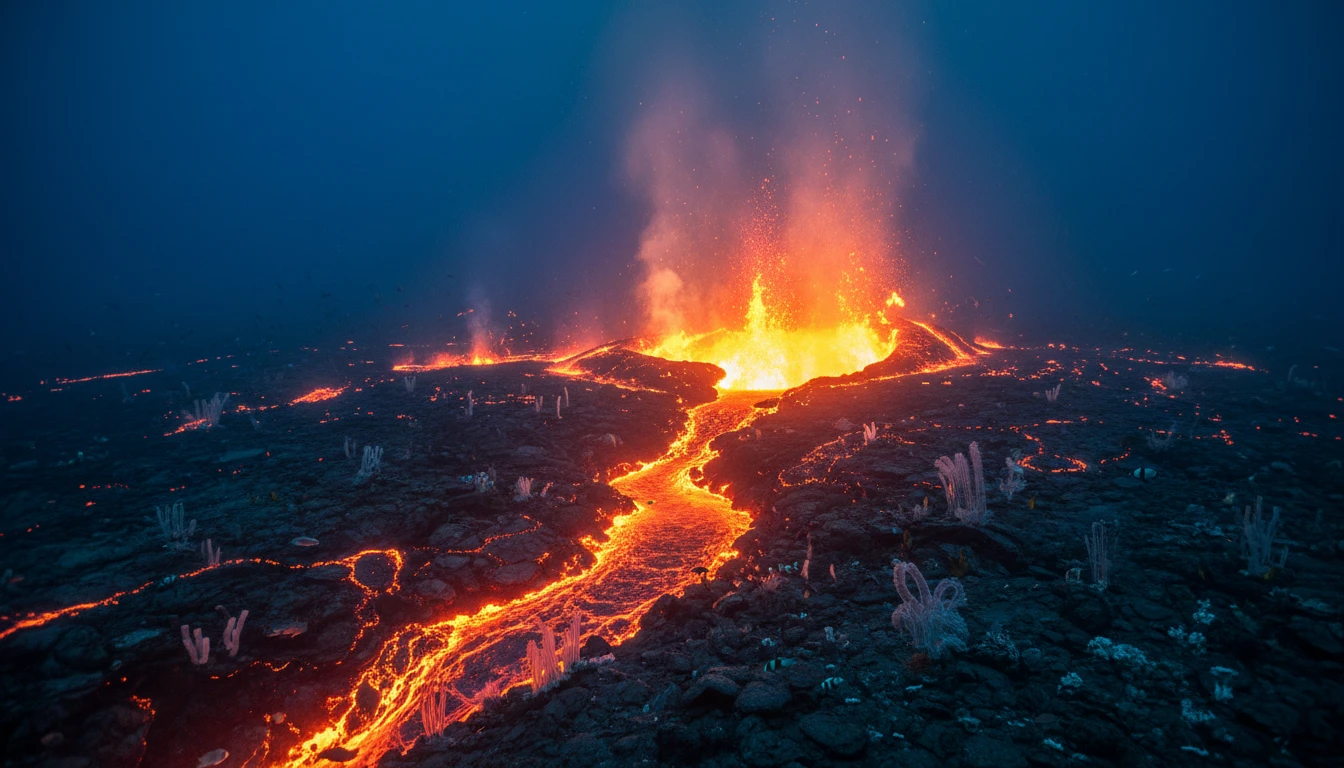
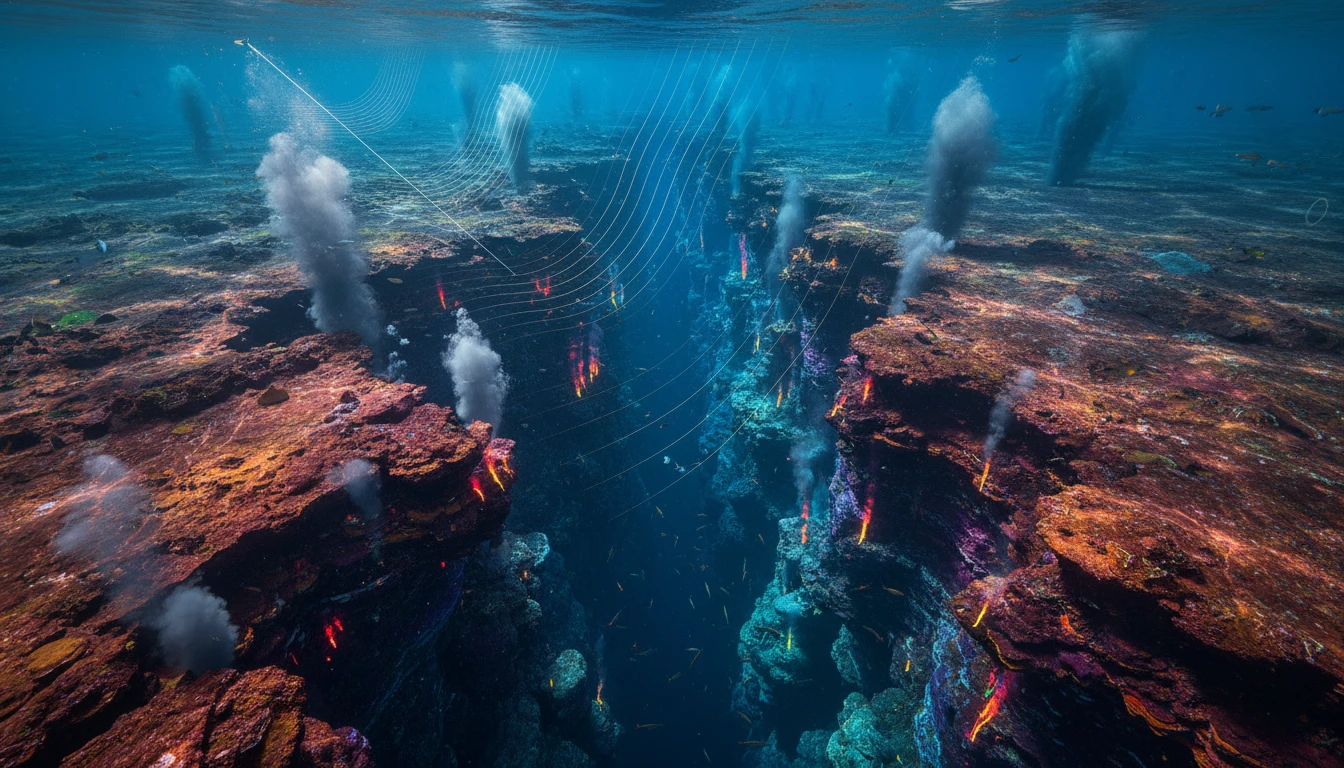
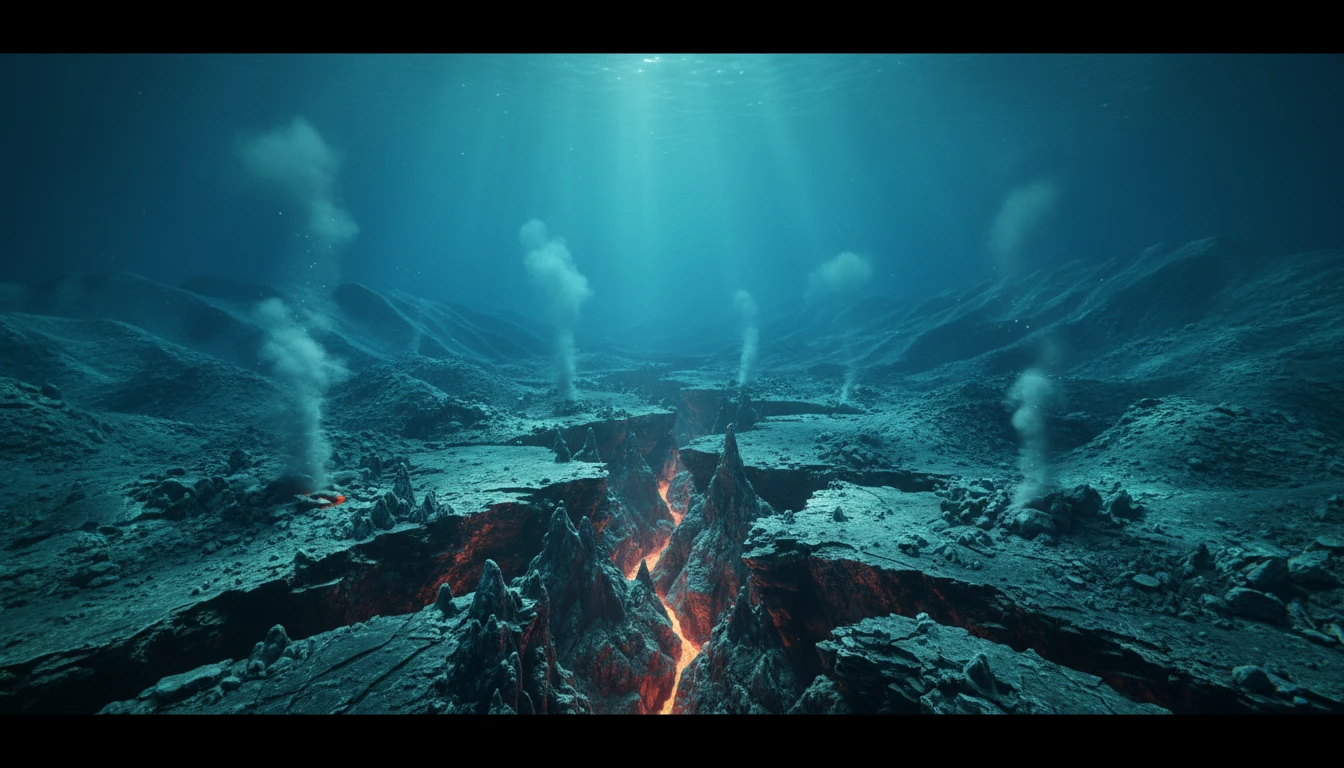
instruments detected a dramatic series of events starting in April 2024. A swarm of earthquakes suddenly erupted, and the seafloor ripped apart by more than two metres. Over just a few days, the valley floor sank by about four metres. This rupture released an enormous amount of molten rock—an estimated 160 million cubic metres of lava—which poured onto the seabed, creating brand new planetary crust. The observation, published in the journal Nature, was made possible because scientists had luckily deployed a sophisticated array of underwater sensors in the area just two months earlier.
The Planet's Engine Room
So, what is seafloor spreading? Imagine the Earth’s surface not as a solid shell, but as a jigsaw puzzle of massive, moving pieces called tectonic plates. At mid-ocean ridges, like the one in the Indian Ocean, these plates are slowly pulling away from each other. As they separate, a gap is created. Molten rock, or magma, from deep within the Earth rises to fill this void. When the superhot magma hits the near-freezing seawater, it cools rapidly and hardens, forming a new strip of ocean floor. This process, happening continuously for billions of years, is the engine that drives plate tectonics, moves continents, and shapes the world as we know it. What made this event so special was seeing decades' worth of this slow movement compressed into a matter of days.
Solving a Geological Mystery
This real-time observation has been hailed by some as geology's 'holy grail' because it solves a long-standing puzzle. For decades, scientists knew that tectonic plates moved apart at a certain average speed each year. However, when they added up the movement caused by all the recorded underwater earthquakes, the numbers never matched—there was always a significant amount of 'missing' movement. This new study shows why. It turns out that much of the separation happens not in a slow, steady crawl, but in sudden, massive lurches that are not always accompanied by major earthquakes. The research captured this 'aseismic slip'—fault movement without tremors—proving that the Earth's crust grows in fits and starts, releasing decades of built-up strain in brief, violent episodes.
Why This Matters for India and the World
While this event occurred far from shore, its implications are significant. The Indian Plate is one of the fastest-moving plates on the planet, and its interaction with surrounding plates governs the seismic activity of the entire region. The 2004 Indian Ocean tsunami was a devastating reminder of the power lurking beneath the waves, caused by a massive rupture where the Indian Plate dives beneath the Burma plate. By better understanding how and where stress builds up and is released along these ridges, scientists can improve long-term hazard assessments for earthquakes and tsunamis. Furthermore, these volcanic regions on the seafloor release heat and chemicals that support unique deep-sea ecosystems and can lead to the formation of valuable mineral deposits. Understanding these processes is also crucial for protecting vital underwater infrastructure, like the fibre-optic cables that power our global internet.