

The Unseen Problem in Our Kitchens
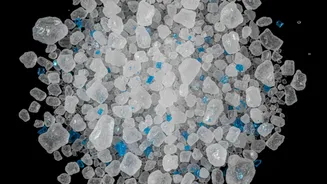
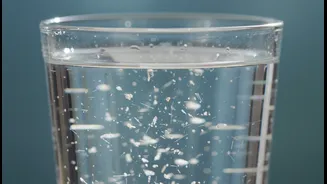
They are tiny fragments of plastic, less than five millimetres in size, and they are becoming impossible to avoid. These microplastics come from the breakdown of larger plastic items, from water bottles to food containers and even our clothing. In the kitchen,
common tools can be a surprising source of these particles. Every time a knife slices into a plastic cutting board or a spatula scrapes a non-stick pan, tiny fragments can shed and mix with the food you are preparing. Scientists have found these particles in everything from salt and sugar to seafood and bottled water. While eliminating them completely is not realistic, understanding where they come from is the first step toward reducing your intake.
What the Science Says About Health Risks
The scientific community is actively studying the health implications of ingesting microplastics, but the debate is far from settled. Regulatory bodies like the U.S. Food and Drug Administration state that current evidence does not demonstrate a risk to human health from the levels found in food. However, other research raises concerns. Studies in animals and human cells have linked microplastic exposure to issues like inflammation, a suppressed immune system, and cellular damage. Some experts point to the chemicals that plastics can carry, such as flame retardants and phthalates, as a potential source of harm. A major challenge for researchers is the lack of standardized methods for detecting and quantifying these particles. As scientists work toward clearer answers, many health experts agree that taking precautionary steps to limit exposure is a sensible approach.
Rethink Your Cutting Board
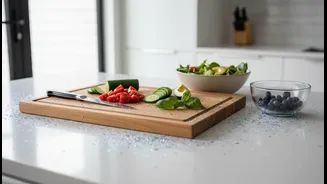
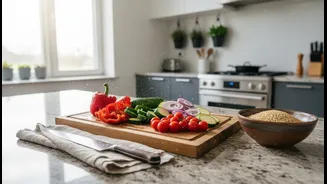
Your trusty plastic cutting board could be a major contributor of microplastics in your meals. Research has shown that chopping vegetables on a plastic board can release tens of thousands of particles per meal, depending on the board's condition and your chopping style. These boards, often made of polyethylene or polypropylene, develop deep grooves over time that not only shed plastic but can also trap bacteria. A simple switch to a wood or bamboo cutting board can make a significant difference. Wood has natural antimicrobial properties and its fibrous structure is more resilient to knife cuts, meaning it sheds far fewer particles. While wood requires hand washing, it's a durable and safer surface for food preparation.
Choose Your Cookware Wisely
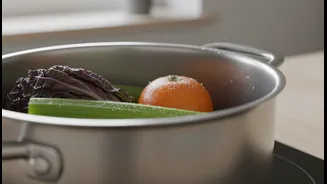
Non-stick pans, often coated with PTFE (a chemical you might know as Teflon), are another area of concern. When these pans become scratched or are overheated, they can release millions of micro- and nanoplastic particles into your food. High temperatures, above 260°C, can cause the coating to break down and release fumes. While modern PTFE coatings are generally considered stable with proper use, a single crack can release thousands of particles. To be safer, consider alternatives like stainless steel, cast iron, or ceramic cookware. These materials are durable, do not contain plastic coatings, and can last for decades with proper care. If you do use non-stick pans, be sure to replace them as soon as they become scratched and avoid using metal utensils that can damage the surface.
Filter Your Drinking Water
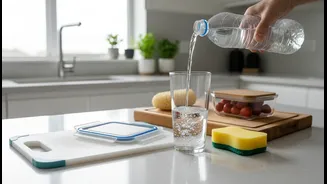
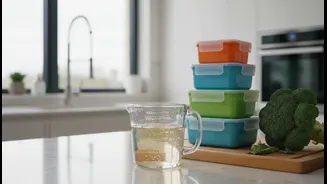
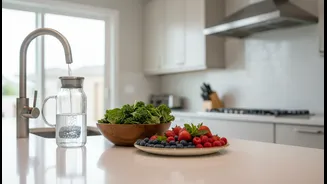
Tap and bottled water have both been identified as sources of microplastics. While the health risks are still being evaluated, filtering your water is an effective way to remove these particles before you drink it or use it for cooking. Different filtration methods have varying levels of effectiveness. Basic carbon filters, like those in many popular pitchers, can capture some particles. However, for more comprehensive removal, reverse osmosis systems are considered the most effective. These systems use a membrane with extremely small pores that can filter out even the tiniest nanoplastics. Investing in a quality water filter can provide peace of mind and cleaner water for your household.
Avoid Heating and Storing in Plastic
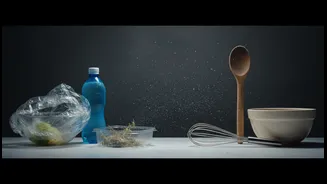
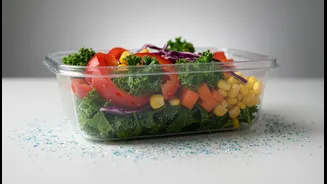
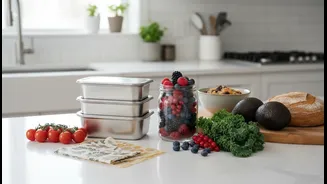
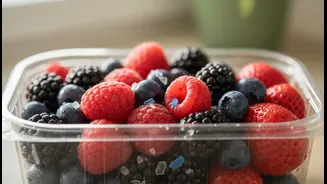
How you use plastic matters. Heating food in plastic containers, especially in the microwave, is a well-known way for chemicals and microparticles to leach into your meal. The heat accelerates the breakdown of the plastic. A simple rule is to always transfer food to glass or ceramic containers before reheating. The same goes for storing food, particularly hot, acidic, or fatty foods. Instead of plastic containers or plastic wrap, opt for glass jars, stainless steel containers, or beeswax wraps. Making these small changes to your daily routine can collectively reduce the amount of plastic particles you and your family consume.