

From Flat to Full-Bodied
The all-beige room, a staple of the 'quiet luxury' and minimalist movements, became popular for its calming, inoffensive nature. It promised a clean, serene backdrop to our busy lives. However, designers and homeowners are finding that when overused,
a single shade of beige can feel one-dimensional, predictable, and devoid of personality. The trend reversal isn't about abandoning neutrals; it's about making them more interesting. The goal is to move from a look that can feel flat to one that is layered, dynamic, and deeply personal, evolving from simple minimalism to what many now call 'warm minimalism'.
The Art of Layering
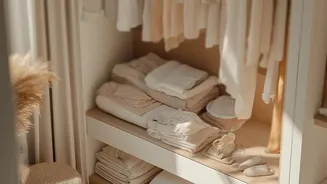
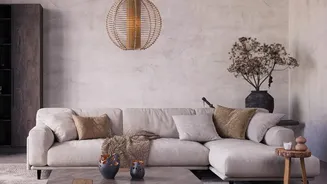
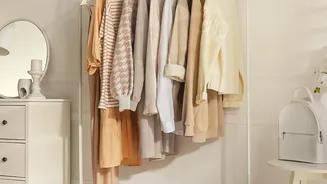
Layering neutrals is more of a design philosophy than a strict rule. It’s the art of combining different tones, textures, and materials within the same neutral family to create a space that has depth, warmth, and visual interest. Instead of a single beige, imagine a symphony of cream, ivory, taupe, sand, and mushroom. This approach keeps the overall palette calm and cohesive while preventing the space from feeling lifeless. The beauty lies in the subtle variations that catch the light differently and invite you to touch and feel the space.
Build a Thoughtful Palette
To begin, select a family of warm neutral colours. Instead of sticking to one paint chip, choose three to five complementary shades. Your palette can be built around a starting point, like a vintage rug, a piece of art, or the veining in a stone countertop. Think in terms of a base colour (perhaps a warm, creamy white for the walls), a mid-tone (a soft taupe for the sofa), and an accent (a deeper mushroom or charcoal for cushions or a cabinet). This tonal variation is what gives the room its foundational depth.
Texture Is Your Secret Weapon
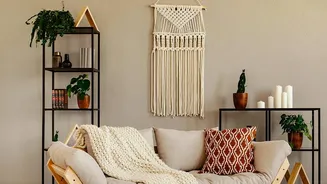
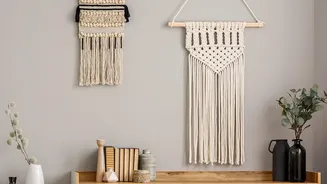
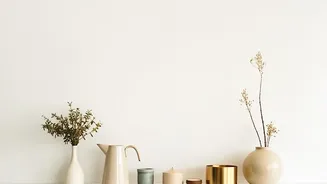
If colour variation creates depth, texture is what brings a neutral room to life. A room where every surface is smooth can feel sterile, even with a varied palette. The key is to introduce a rich mix of materials. Contrast a soft, nubby wool rug with a smooth linen sofa. Add rattan or light-wood furniture, drape a chunky knit throw over a leather chair, and place matte ceramic vases on a polished stone surface. This tactile contrast is essential; it creates a sensory experience that feels cozy, inviting, and sophisticated without adding clutter.
Play with Light and Contrast
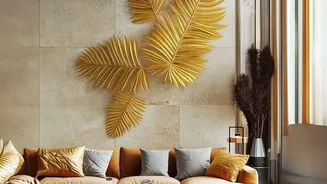
Lighting plays a crucial role in a layered neutral scheme. A well-lit space will highlight the different textures and subtle shifts in tone you’ve so carefully chosen. Use a mix of ambient, task, and accent lighting to create pools of light and shadow, which adds another layer of dimension. Furthermore, don't be afraid to introduce small doses of high contrast. A piece of furniture in black or a deep espresso brown, a dark metal lamp frame, or dark window grilles can act as a visual anchor, making all the surrounding neutrals pop. This balance of light and dark prevents the palette from becoming washed out.
An Earthy Accent
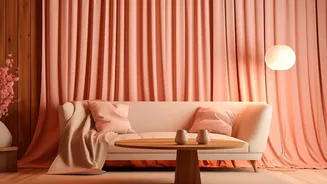
While the core of the look is neutral, a small, intentional touch of colour can elevate the entire space. This doesn't mean you need to paint a bright feature wall. Think of soft, earthy tones that complement the neutral base. A few cushions in a muted sage or olive green can bring a touch of nature indoors and make wood tones appear warmer. Similarly, accents in terracotta, dusky pink, or a soft, buttery yellow can add warmth and personality without disrupting the room's serene atmosphere.