


Peru is a land of ancient wonders, vibrant culture, and breathtaking landscapes that feature on countless bucket lists. But the reality of visiting its most iconic sites can sometimes involve more queuing and jostling than quiet awe.
Machu Picchu: The Timed Run-Through
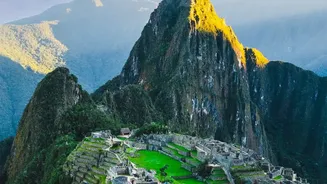
There is no denying
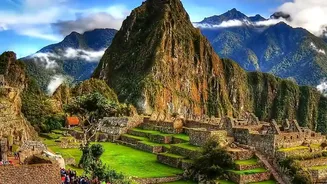
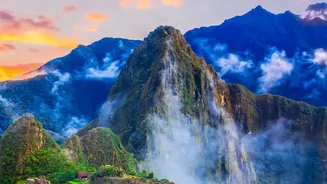
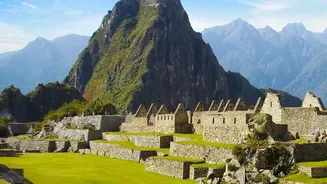
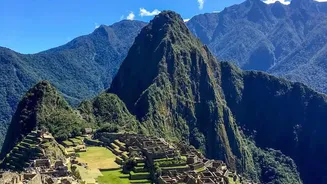
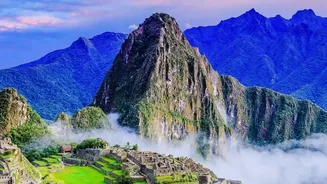
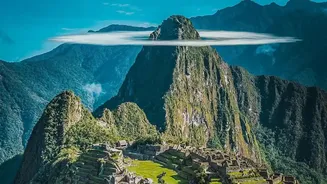
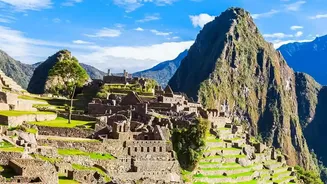
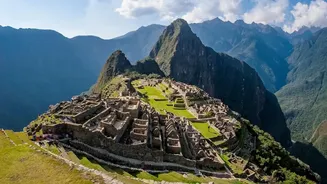
the majesty of Machu Picchu. Seeing the 15th-century Inca citadel emerge from the mountain mist is a truly unforgettable moment. It is, for good reason, a Wonder of the World. However, the experience has changed significantly to manage the immense visitor numbers. Gone are the days of wandering freely. Today, entry is managed through rigid time slots and predetermined circuits. You must follow a one-way path with a guide, and there's little room to linger. If you want that classic, solitary photo, you'll have to be patient and very lucky. The trade-off for preserving the site is a less personal, more conveyor-belt-like experience. Tickets sell out months in advance, so spontaneous visits are out of the question. Is it still worth it? Absolutely. But go with managed expectations: you are visiting a fragile, world-famous museum, not exploring a lost city.
Rainbow Mountain: The Instagram Queue
The seven-coloured slopes of Vinicunca, or Rainbow Mountain, became an internet sensation almost overnight. The photos are stunning, but they often omit the challenging reality of the visit. The first hurdle is the extreme altitude of over 5,000 metres, which can cause severe sickness for those not properly acclimatised. The second is the crowd. The main viewpoint often has a long, slow-moving queue of people waiting to take the exact same photo. The vibrant colours you see online are also heavily dependent on bright sunshine and, often, a healthy dose of photo editing. On an overcast day, the spectacle can be more muted. For a less congested but equally stunning alternative, consider a trip to Palccoyo. This 'other' rainbow mountain offers similar geological formations but is spread across three valleys, which naturally disperses the smaller crowds that visit.
Huacachina: The Strained Oasis
A tiny village built around a stunning desert oasis, Huacachina looks like a mirage come to life. Its main draws are high-octane dune buggy rides and sandboarding down its massive slopes. While the adrenaline rush is real, the location is straining under the weight of its own popularity. The oasis's water level has dropped due to overuse, and it's now reportedly supplemented with water from other sources. The constant roar of dune buggies and a party-heavy backpacker scene can detract from the natural beauty of the desert. The trade-off here is clear: you get a fun, action-packed day, but it comes at an environmental cost and lacks a sense of tranquility. If your primary goal is to experience the desert, you might find the commercialised, high-energy vibe of Huacachina more of a tourist trap than a natural wonder.
The Ballestas Islands: A Crowded 'Galapagos'
Often marketed as the 'poor man's Galapagos', the Ballestas Islands offer an accessible way to see incredible marine wildlife, including sea lions, penguins, and countless seabirds. The trip involves a speedboat tour departing from Paracas. The issue isn't a lack of animals, but a surplus of boats. Dozens of tour boats often converge on the same spots at the same time, jockeying for position to give their passengers a glimpse of the wildlife. This can feel more like a chaotic water-based traffic jam than a serene nature-watching experience. While the sightings are genuinely impressive, the experience can feel rushed and noisy, potentially causing stress to the very animals you've come to admire. The tours are highly standardized, offering little variation. It's a fantastic wildlife opportunity, but be prepared for a crowded and commercialised journey.