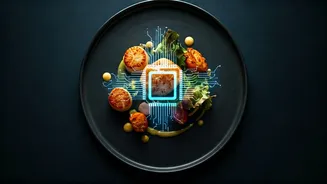









The Allure of the Automated Kitchen
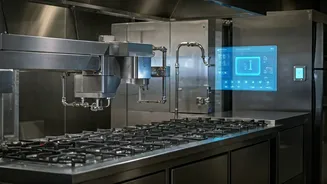
The push towards 'smart operations' is undeniable. Restaurants are embracing technology to streamline everything from the front of house to the supply chain. AI-powered systems can predict demand with surprising accuracy by analyzing sales data, local
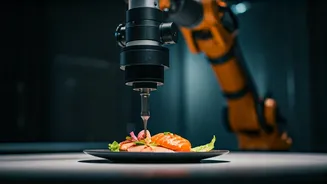
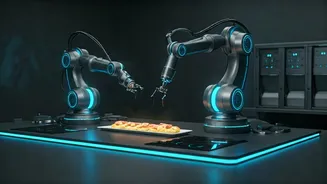
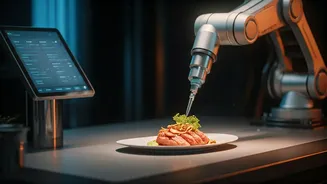
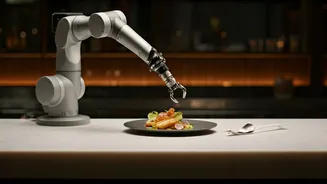
events, and even weather patterns, helping to reduce food waste and cut costs. In the kitchen, automation is handling repetitive tasks, with robotic arms frying french fries and assembling salads with perfect consistency. For operators, the benefits are clear: increased efficiency, lower labor costs, and a more predictable bottom line. These technologies handle routine tasks, freeing up staff to focus on other aspects of the business.
Where Data Hits a Wall
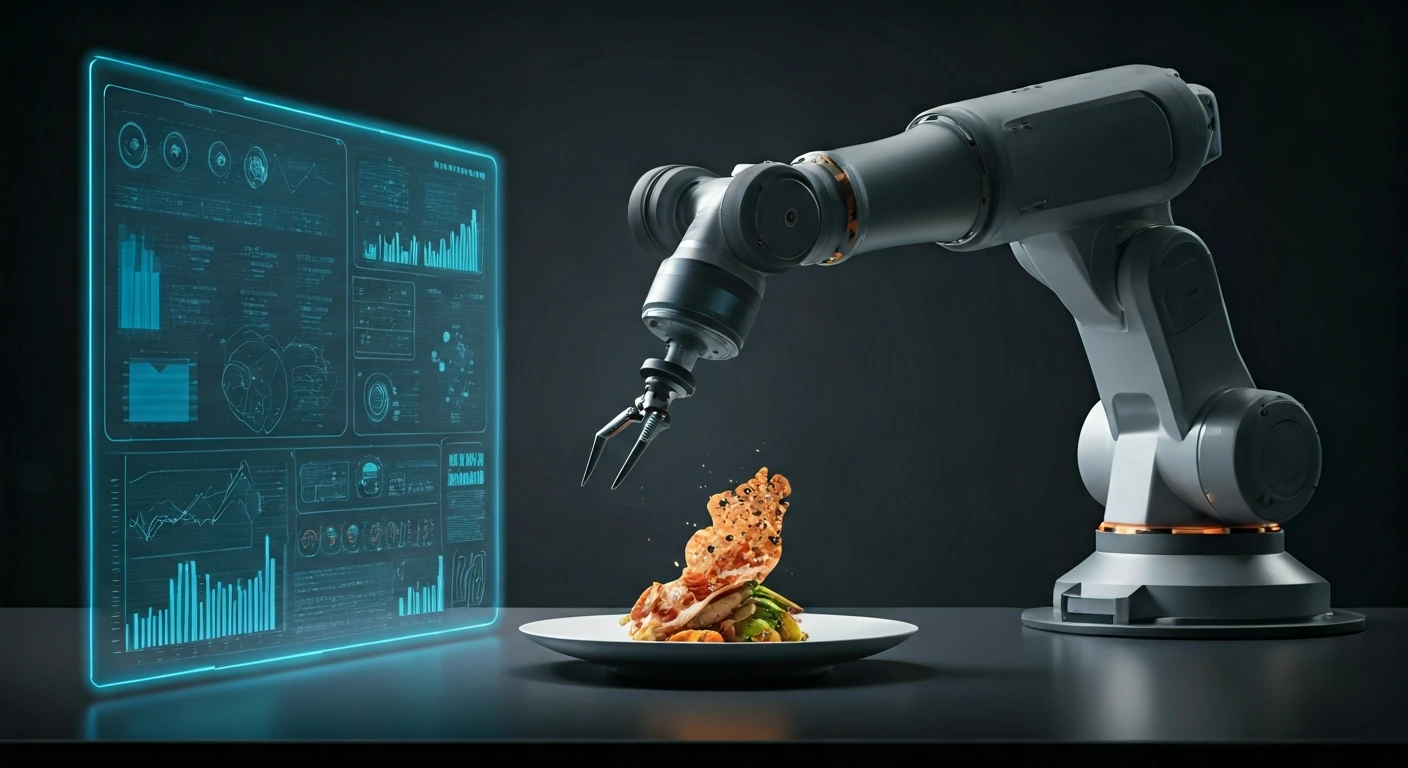
But for all its power, data analytics has its limits. An algorithm can optimize a menu based on profitability and popularity, a practice known as menu engineering, but it cannot invent a groundbreaking new dish from scratch. Data is backward-looking; it analyzes what has already happened to predict what might happen next. It struggles with the nuances of creativity and the context of human experience. An AI can suggest menu pairings based on past orders, but it can't understand the cultural significance of a recipe passed down through generations. Instructions like “cook until it smells right” cannot be easily translated into code, highlighting a gap between computational logic and human sensory judgment.
The Irreplaceable Palate
This is where human taste, in its most literal sense, remains supreme. A chef's value is not just in executing a recipe but in creating it. They possess the ability to balance flavors, experiment with textures, and understand how different ingredients interact in ways that data alone cannot. The development of new concepts, flavor innovation, and the creative oversight of a menu are functions that depend on a chef's palate and experience. While an AI can generate variations on a theme, the spark of true culinary innovation—the kind that defines a restaurant's identity and creates memorable dining experiences—is still a deeply human endeavor.
Beyond the Plate: The Human Touch
The concept of 'taste' extends far beyond the food itself. It encompasses the entire guest experience, an area where human intuition is critical. No algorithm can replicate the warmth of a genuine welcome or the empathy of a manager resolving a customer's issue. This human touch is what defines hospitality. While AI can handle reservations and answer basic queries, complex situations that require emotional intelligence are best handled by people. The most successful operators understand this balance, using technology to enhance, not replace, the human element. They deploy staff where they add the most value: in moments that require judgment, connection, and brand-defining service.