
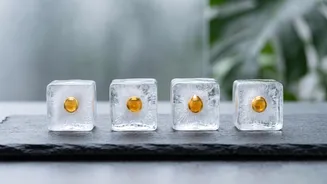
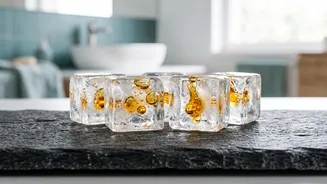
The latest viral beauty hack to flood social media feeds involves combining two skincare powerhouses: retinol and ice. Proponents claim DIY retinol ice cubes are the secret to flawless skin, but is this trend a recipe for success or a skincare fail?
The Trend: What Are Retinol Ice Cubes?
Across
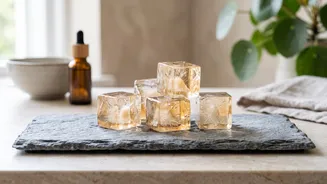
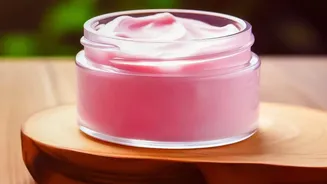
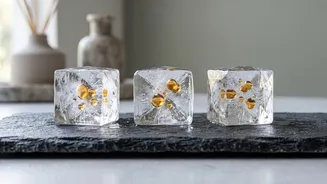
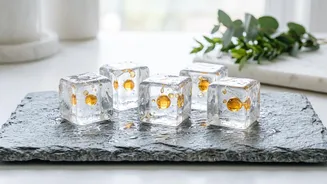
platforms like TikTok, users are showcasing a seemingly ingenious skincare hack. The process involves mixing a retinol serum or cream with water, pouring the concoction into an ice cube tray, and freezing it. The resulting 'retinol ice cube' is then massaged over the face. Creators of this trend claim it combines the anti-ageing power of retinol with the de-puffing, anti-inflammatory benefits of cryotherapy, or 'skin icing', promising to shrink pores, reduce acne, and deliver a radiant glow all in one frosty step.
The Allure of Skin Icing
The 'icing' half of this trend has some basis in science. Applying cold to the skin, a practice known as cryotherapy, causes blood vessels to constrict. This can temporarily reduce puffiness, inflammation, and redness. Many people use chilled facial rollers or simple ice cubes (wrapped in a cloth) to soothe irritated skin or reduce under-eye bags. When the skin returns to its normal temperature, blood vessels dilate, which can increase circulation and give the skin a temporary, healthy-looking flush. Given these known benefits, it’s easy to see why adding a super-ingredient like retinol into the mix sounds so appealing.
The Problem with Freezing Retinol
Here's where the viral hack meets a cold, hard reality check. Retinol, a derivative of Vitamin A, is a notoriously unstable molecule. Cosmetic chemists go to great lengths to formulate retinol products to protect the active ingredient from degradation caused by exposure to light, air, and heat. Extreme temperatures, both hot and cold, can compromise these carefully crafted formulas. According to formulation guidelines, while some professional-grade retinoids are stored at refrigerated temperatures to prolong shelf life, freezing is generally advised against as it can irreversibly destroy the product's potency and disrupt the emulsion, causing ingredients to separate. You might end up with a watery ice cube with clumps of inactive product, which won’t deliver the results you're looking for.
What Do the Experts Say?
Dermatologists and skincare experts are largely united in their skepticism of this trend. The primary concern is the degradation of the retinol, rendering it ineffective. You're essentially wasting a potent and often expensive product. Furthermore, DIY concoctions are risky. Mixing your retinol serum with unsterilised water and freezing it in a household ice tray can introduce bacteria to your skin. Another point of concern is the direct application of ice to the face, which can cause irritation, redness, and even ice burn or frostbite if held on the skin for too long. Experts recommend never applying ice directly to the skin, but rather wrapping it in a soft cloth.
A Better Approach: Separate and Strategise
Instead of combining these two steps, you can get the benefits of both by keeping them separate. If you enjoy the de--puffing effects of skin icing, continue to do so safely. Use an ice cube wrapped in gauze or a chilled facial tool and glide it gently over your skin for a minute or two. As for retinol, follow the instructions provided with your product. It's best applied at night to clean, dry skin. Using a pea--sized amount for the entire face is sufficient. Because retinol makes your skin more sensitive to the sun, daily use of a broad--spectrum sunscreen is crucial. This proven routine ensures the retinol can work effectively to boost collagen, accelerate cell turnover, and improve skin texture without the risks associated with unproven viral hacks.