







More Than Just a Video Resume
First, let's be clear: an interactive video portfolio isn't just you, in a formal shirt, reading your resume highlights to a camera. That’s a video resume, a concept that has had mixed success. A video portfolio is a more sophisticated, curated digital
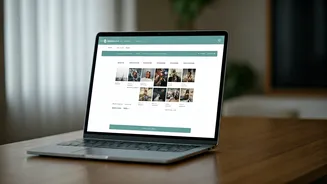
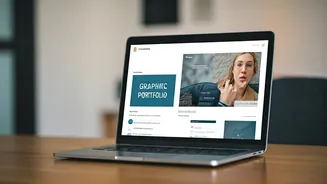
space. Think of it as a personal micro-website where video is the main event. It might feature a short, welcoming introduction from you, followed by screen-recordings where you walk a recruiter through a project you led, a piece of code you wrote, or a design you created. It can include clickable links to your work, embedded presentations, and testimonials. Unlike a passive PDF, it invites the hiring manager to engage, explore, and see your skills in action.
Why the PDF Is Losing Its Edge
The standard resume is efficient but one-dimensional. It lists accomplishments but struggles to convey personality, communication style, or passion. A recruiter skims for keywords and bullet points, making a snap judgment in seconds. This process can filter out brilliant candidates who are poor at resume-writing but excellent at their jobs. The PDF format tells, but it doesn't show. In creative, client-facing, or leadership roles, *how* you communicate is as important as *what* you've done. This is where the interactive video format shines, offering a glimpse of the person behind the credentials. It bridges the gap between a flat document and a real human being, giving a much richer signal of a candidate's potential fit.
The Recruiter’s Perspective
Hiring managers are inundated with applications that look and sound the same. A well-made video portfolio instantly stands out. It demonstrates initiative, tech-savviness, and strong communication skills before the first interview is even scheduled. For a manager hiring a UX designer, watching the candidate walk through their design process for a mobile app is infinitely more valuable than reading a bullet point that says “Redesigned mobile app user flow.” It provides proof of competence, not just a claim. This saves recruiters time and reduces the risk of a bad hire by giving them a much clearer picture of a candidate’s abilities and professional demeanour early in the process. It helps them answer the crucial question: “What would it actually be like to work with this person?”
How to Create Your First Video Profile
Getting started is less daunting than it sounds. You don’t need a professional film crew. Tools like Loom, Tella, and Canva have made video creation incredibly accessible. Start with a plan. Structure your portfolio around a central narrative. A great format is a 60-90 second personal introduction where you state who you are, what you’re passionate about, and what kind of role you’re seeking. Follow this with two or three short (2-3 minutes each) “show-and-tell” videos. Pick your best projects and use screen-sharing to explain your process, the challenges you faced, and the results you achieved. Keep it concise, energetic, and professional. Good lighting and clear audio are non-negotiable, so record in a quiet, well-lit space. Finally, host your videos on a simple landing page (you can use tools like Carrd or Webflow) and put that single link on your traditional resume and LinkedIn profile.
Know When to Use It
While powerful, a video portfolio is not a universal solution. In highly traditional or regulated fields like law, accounting, or civil services, a conservative PDF resume remains the standard. Sending a flashy video link might be seen as unprofessional. The sweet spot for video portfolios is in tech, design, marketing, media, and sales—industries where creativity, personality, and communication are core competencies. Even in these fields, a video profile should supplement, not fully replace, your traditional resume. Many companies still use Applicant Tracking Systems (ATS) that scan PDFs for keywords. The best strategy is to submit your PDF through the formal application portal but use the video portfolio link in your email signature, on your LinkedIn, and when networking directly with hiring managers.