


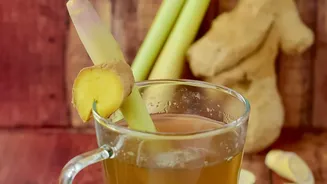
Famous in Southeast Asian cooking, lemongrass offers a fragrant, citrusy flavour without the acidity of lemon. Intimidated by its woody stalks? This guide breaks down the basics to help you easily bring its aromatic magic to your kitchen.
Your Guide to Buying and Storing
When shopping
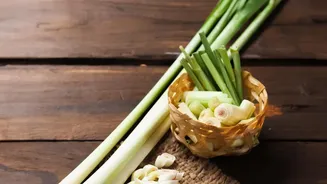
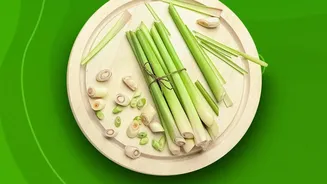
for fresh lemongrass, look for firm, vibrant stalks that feel solid and dense. They should have a pale yellow-green colour near the base, transitioning to a brighter green. Avoid any stalks that appear dry, brittle, or browned. You can typically find them in the produce section of Asian markets or well-stocked supermarkets, often bundled like large green onions. To store, wrap the fresh stalks in plastic and keep them in your refrigerator's crisper drawer for up to two weeks. For longer-term storage, you can freeze whole, trimmed stalks in an airtight bag for several months, allowing you to have this aromatic herb on hand whenever inspiration strikes.
Essential Preparation Steps
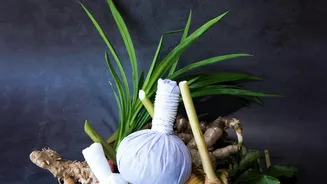
Working with lemongrass is simple once you know how to handle its fibrous nature. The goal is to get to the tender, pale-yellow inner core, which holds the most flavour. Start by trimming off the tough, woody root end, about an inch from the bottom. Next, cut off the upper, leafy green section, as this part is too tough to eat. Peel away any dry or loose outer layers until you reveal a smoother, more compact stalk. This trimmed section, typically the bottom four to five inches, is the part you'll use for most recipes where the lemongrass will be eaten. The discarded leafy tops and outer layers aren't waste; you can toss them into broths or teas for a subtle infusion.
Releasing the Flavour: Bruise, Chop, or Grate
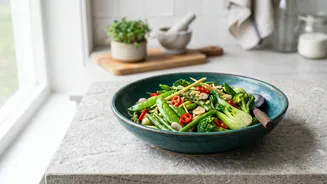
How you prepare lemongrass depends on how you plan to use it. To release its aromatic oils for soups, stews, or curries where it will be removed before serving, the best method is to bruise the stalk. Simply use the back of a heavy knife or a rolling pin to firmly bash the entire length of the trimmed stalk. You can even tie it in a knot to make it easier to fish out later. If you plan on eating the lemongrass in a dish like a stir-fry, marinade, or paste, you'll need to break it down much further. Finely slicing it into paper-thin rings or mincing it is crucial. For the smoothest texture, using a microplane or grater works wonderfully, ensuring you get all the flavour without any tough, stringy bits.
Classic Flavour Companions
Lemongrass has a unique flavour profile that is citrusy, herbal, and slightly floral. It pairs beautifully with a wide range of ingredients commonly found in Asian and Western cuisines. Its most classic partners include coconut milk, where the creaminess balances the herb's bright notes, and ginger, which adds a complementary warmth and spice. Garlic, chilli, and lime are also frequent companions, creating a foundational flavour base for many Thai and Vietnamese dishes. It also works well with soy sauce, fish sauce, fresh mint, and cilantro, making it an incredibly versatile aromatic for building complex and delicious marinades and sauces.
Simple Ways to Start Cooking
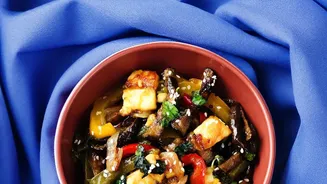
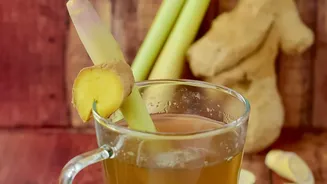
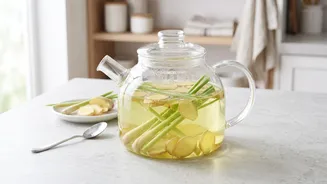
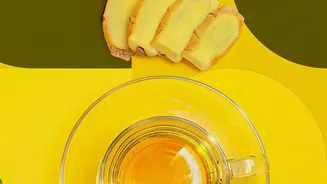
Ready to get started? One of the easiest ways to use lemongrass is by making a simple tea. Just simmer bruised and chopped stalks in hot water for about 10 minutes, then strain. You can add ginger slices or a touch of honey for extra flavour. For a savoury application, try making a marinade for chicken, pork, or shrimp by combining minced lemongrass with garlic, soy sauce, and a little sugar. You can also add whole, bruised stalks to your next pot of chicken soup or rice to infuse them with a delicate, fragrant aroma. Remove the stalks before serving. These simple applications are a great way to familiarise yourself with its wonderful taste.