




1. Go Vertical with Your Garden
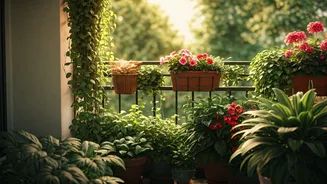
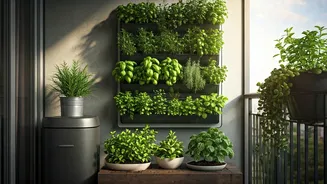
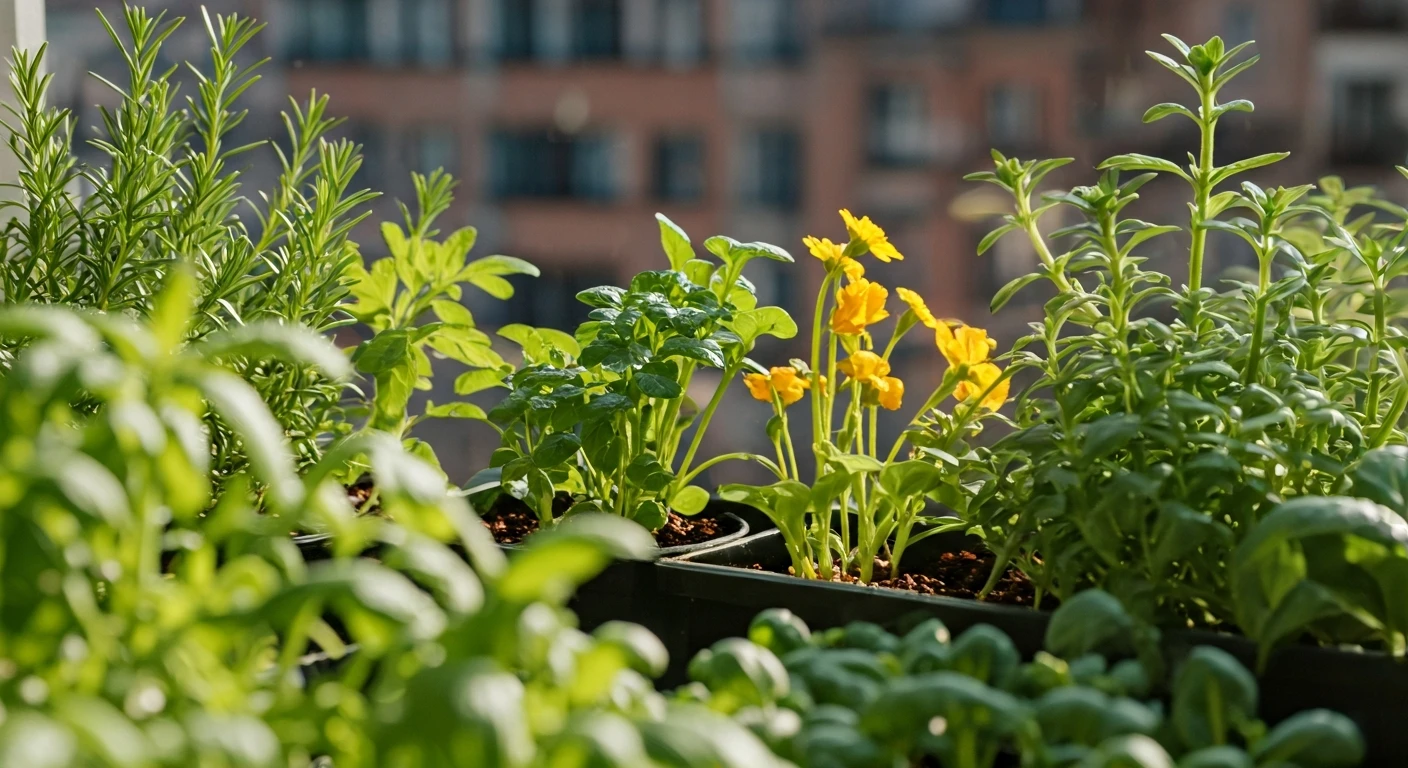
Who says you need a sprawling backyard to grow your own food? In a small flat, the only way to go is up! Vertical gardening is a space-saving marvel that turns your balcony railings, windowsills, and even bare walls into productive green spaces. Start
with easy-to-grow herbs like mint (pudina), coriander (dhania), and basil (tulsi), which thrive in pots. You can also cultivate cherry tomatoes, chillies, and leafy greens in stacked planters or wall-mounted containers. These mini-gardens not only provide fresh, organic produce but also purify the air, cool your apartment naturally, and offer a daily dose of nature. Invest in some lightweight pots, a good quality potting mix, and find that sunny spot on your balcony. It’s a small effort for a huge reward.
2. Master the Art of Compact Composting
The thought of composting in an apartment might conjure images of foul smells and pests, but modern solutions have made it clean, easy, and odour-free. A significant portion of household waste in India is organic kitchen scraps. By composting, you can divert this waste from landfills where it produces harmful methane gas. Consider a Bokashi bin, which uses fermentation to pickle your kitchen waste in a compact, airtight container. The process is quick and doesn't produce bad smells. Another great option is vermicomposting, which uses earthworms to break down food scraps into nutrient-rich compost—perfect for your vertical garden! These systems are small enough to fit under your sink or on a shaded balcony, turning your fruit peels and vegetable ends into black gold for your plants.
3. Curate a Zero-Waste Kitchen
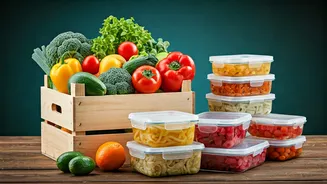
Your kitchen is the heart of your home, and it’s also where a lot of waste is generated. Making it a zero-waste zone is a powerful green step. Start by ditching single-use plastics. Carry cloth bags for your grocery and vegetable shopping. Store grains, lentils, and spices in reusable glass jars instead of buying plastic packets every time. When ordering in, politely refuse the plastic cutlery. Pay attention to food waste. Plan your meals for the week, use older vegetables first, and get creative with leftovers. That slightly wilted spinach can go into a smoothie, and vegetable peels can be used to make a flavourful stock. It’s about being mindful and making conscious choices every time you cook or shop.
4. Embrace Sustainable Decor and Furnishings
Creating a green home goes beyond waste and energy; it extends to what your home is made of. When choosing furniture and decor, opt for items made from sustainable or recycled materials. Bamboo, jute, and reclaimed wood are excellent eco-friendly choices that add warmth and texture to your space. Look for textiles made from organic cotton, linen, or hemp for your curtains, cushions, and bedsheets. You can also give old furniture a new lease on life with a fresh coat of non-toxic paint, a practice known as upcycling. Not only is this better for the planet, but it also gives your home a unique character that can't be bought in a store. Thrifting for decor items is another fantastic way to reduce consumption and find one-of-a-kind treasures.
5. Shrink Your Energy and Water Footprint
In a small apartment, small changes in your energy and water usage can make a big difference. The simplest switch is moving to LED lighting. LEDs consume up to 80% less energy than traditional bulbs and last much longer. Get into the habit of unplugging appliances like your phone charger, TV, and microwave when not in use; they continue to draw ‘phantom’ power even when turned off. For water, check for and fix any leaky taps immediately—a slow drip can waste litres of water a day. Install low-flow aerators on your taps and showerheads, which reduce water consumption without sacrificing pressure. These conscious habits not only conserve precious resources but also lead to visible savings on your utility bills.