






Staying active is key to a healthy life, but finding an exercise that feels good on your joints can be a challenge. Cycling and walking are two fantastic, low-impact options. But which one is truly better for joint comfort and flexibility?
The Case for Cycling: Low-Impact Power
Cycling is often
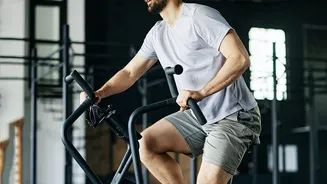
recommended by experts for people managing joint discomfort, particularly in the knees. Because you are seated, the bike supports most of your body weight, making it a non-weight-bearing activity. This significantly reduces the stress on your hips, knees, and ankles compared to exercises where your feet repeatedly strike the ground. The circular motion of pedalling helps lubricate the joints by promoting the circulation of synovial fluid, which can reduce stiffness and pain. This movement also helps strengthen the key muscles that support your joints, like the quadriceps and hamstrings, without the jarring impact. For those with arthritis, studies have shown that regular cycling can reduce pain and improve function.
The Case for Walking: Accessible and Essential
Walking is one of the most natural and accessible forms of exercise available. It requires no special equipment beyond a comfortable pair of shoes and can be done almost anywhere. As a weight-bearing exercise, walking helps to strengthen bones and maintain bone density, which is crucial for preventing osteoporosis. This gentle, repetitive loading is also beneficial for joint health, helping to move lubricating fluid through the joints to reduce stiffness. It strengthens the muscles that stabilize your hips and knees, which can alleviate pain and improve mobility, especially for those with chronic joint issues or previous surgeries. While it places more load on the joints than cycling, a moderate pace is still considered a low-impact activity that is gentle enough for most people to do daily.
Impact and Comfort: The Key Differences
The primary difference between the two activities lies in impact. Cycling is non-weight-bearing, which is why it's often a better starting point for individuals with significant joint pain, moderate to severe arthritis, or those who are overweight. Walking, while still low-impact, does involve your body's full weight landing on your joints with every step. For some, this can aggravate existing pain, especially during long distances or on hard surfaces. However, for others, this weight-bearing aspect is a necessary stimulus for bone health. People with pain that worsens in a bent-over position might find walking more comfortable, while those who have pain during upright, weight-bearing activities may prefer cycling.
Flexibility and Range of Motion
Both exercises contribute to joint flexibility. The smooth, repetitive pedalling of a bike takes the knee and hip joints through a controlled range of motion, which helps reduce stiffness and maintain mobility. However, some research suggests that walking alone might not be sufficient to maintain full hip flexibility, as it primarily uses a limited, forward-and-back motion. To truly enhance hip mobility, which is crucial for posture and preventing lower back pain, it’s beneficial to supplement walking with specific stretches that target rotation and lateral movements. Cycling also works within a set plane of motion, but the consistent, circular movement can effectively improve the range of motion for people with knee osteoarthritis.
Making the Right Choice for You
Ultimately, the best exercise is the one you enjoy and can stick with consistently. For many, a combination of both walking and cycling offers the perfect balance. Cycling can be used for conditioning and building strength with minimal joint stress, while walking maintains bone density and functional, everyday mobility. If you have sensitive knees, particularly pain under the kneecap, cycling is often the better tolerated primary exercise. If your main goal is accessibility and bone health, and your joints are generally comfortable, walking is an excellent choice. Always listen to your body. Start gradually with any new exercise, and if you have pre-existing conditions, a proper bike fitting is crucial to prevent strain.