

The Monsoon-Immunity Connection
The rainy season is notorious for a spike in illnesses. The high moisture in the air allows viruses and bacteria to thrive and spread more easily. This leads to a rise in airborne infections like the common cold and flu, as well as water-borne diseases
such as typhoid, cholera, and various gastro-intestinal infections. A weak immune system makes you more susceptible to these seasonal ailments. The sudden fluctuations in temperature can also put a strain on your body's defences. This is where your gut health becomes critically important, acting as the first line of defence against these seasonal invaders.
Your Gut: The Body's Immunity Headquarters
It might sound surprising, but a significant portion of your immune system—around 70%—is located in your gut. Your digestive tract is home to trillions of microorganisms, collectively known as the gut microbiome. This internal ecosystem of bacteria plays a fundamental role in everything from digestion and nutrient absorption to regulating your immune response. When the balance of good bacteria in your gut is optimal, it forms a protective barrier, preventing harmful pathogens from entering your bloodstream and causing illness. A healthy gut microbiome essentially trains and supports your immune cells, keeping them ready to fight off infections.
Fermentation: The Probiotic Power-Up
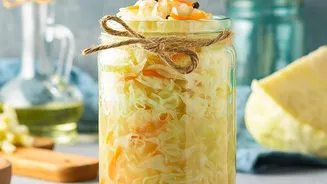
This is where traditional fermented foods come in. Fermentation is an age-old process where microorganisms like bacteria and yeast break down carbohydrates in food. This process not only preserves the food but also enriches it with probiotics—live, beneficial bacteria that replenish and support your gut microbiome. When you consume these foods, you are directly seeding your gut with friendly bacteria that help crowd out harmful microbes, strengthen the gut lining, and improve your body’s ability to fight infections. These foods have been a cornerstone of Indian kitchens for centuries, long before 'probiotics' became a wellness buzzword.
Your Traditional Monsoon Armoury
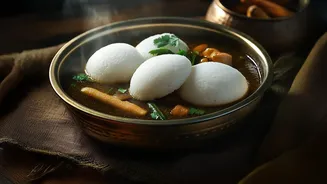
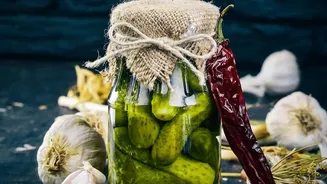
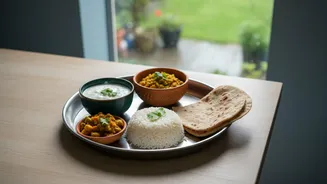
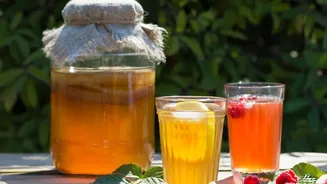
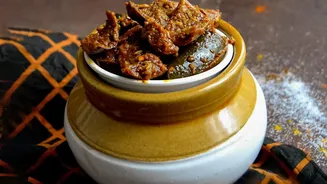
Many of the foods you already know and love are probiotic powerhouses. Incorporating them into your daily diet is a simple and delicious way to bolster your immunity. Some of the best choices include: Dahi (Curd): Perhaps the most accessible probiotic food, homemade curd is packed with beneficial bacteria like Lactobacillus. It aids digestion, soothes the stomach, and helps balance gut flora, making it a powerful tool against infections. Idli & Dosa: The fermentation of the rice and lentil batter makes these South Indian staples light, digestible, and rich in probiotics that support gut health. Dhokla: This steamed, fermented gram flour snack from Gujarat is another excellent source of probiotics that aids digestion without causing bloating. Chaas (Buttermilk): This refreshing drink, made from churning curd, is a fantastic way to hydrate and deliver probiotics to your gut, often with added digestive spices like cumin and ginger. Kanji: A traditional North Indian fermented drink made from black carrots and mustard seeds, Kanji is rich in antioxidants and probiotics that cleanse the gut. Homemade Pickles (Achaar): Traditionally made pickles that are fermented naturally in salt and spices (without vinegar) can be a source of diverse beneficial bacteria, though they should be consumed in moderation due to high salt content.
Making It a Daily Habit
The key to reaping the benefits is consistency. Aim to include a serving of a fermented food in your daily diet. Start your day with idli, have a glass of chaas with lunch, or enjoy a bowl of dahi as a side dish with dinner. It's important to prioritise homemade or freshly prepared options over commercially packaged ones, as the latter can sometimes be heat-treated, which kills the live cultures, or contain added sugars that feed the wrong kind of bacteria. By turning to these traditional foods, you are not just enjoying a meal; you are actively strengthening your body’s natural defences against the challenges of the monsoon.