





The Danger of Monsoon Night Driving in Ghats
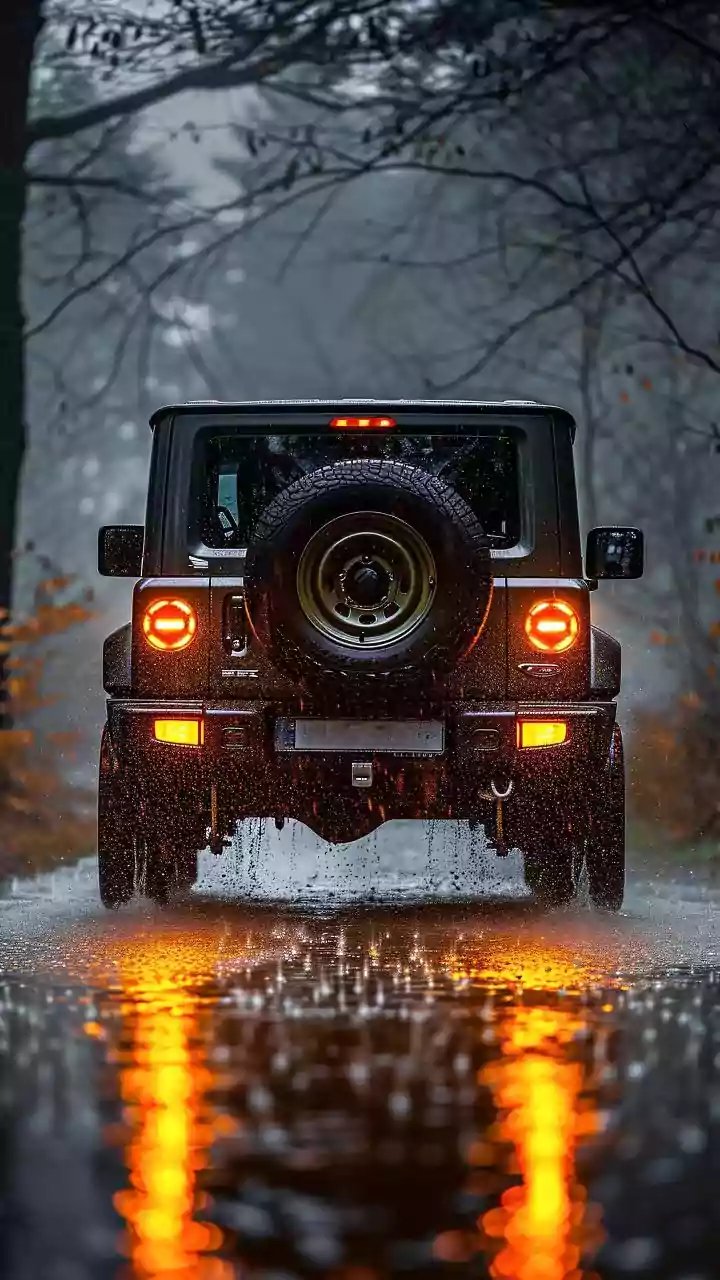
Driving on ghat roads demands immense concentration, but adding monsoons and darkness creates a uniquely hazardous situation. Heavy rainfall drastically reduces visibility, while the winding, narrow roads leave little room for error. Water on the road surface
can mix with oil and grime, making it greasy and increasing braking distances. The primary danger is the inability to see hairpin bends, potential landslides, fallen rocks, or slow-moving vehicles until it's too late. Standard headlights, especially high beams, can worsen this by reflecting off the dense curtain of rain or fog, creating a blinding glare. This is where a properly functioning set of fog lights becomes not just a convenience, but a vital tool for survival.
Your First Line of Defence: Understanding Fog Lights
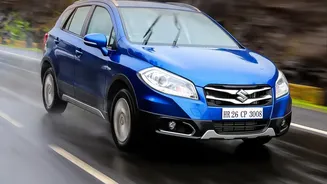
Many drivers are unclear about the specific purpose of fog lights. They are not simply extra headlights. Front fog lights are mounted low on the bumper and are designed to cast a wide, bar-shaped beam of light with a sharp cutoff. This low angle illuminates the road surface directly in front of the car, helping you see lane markings and the edge of the road without the light reflecting off the fog and into your eyes. Rear fog lights are equally important. These are intensely bright red lights—brighter than your standard tail lights—designed to make your vehicle visible to drivers approaching from behind in conditions of severely poor visibility. In India, having working rear fog lamps is mandatory for four-wheelers manufactured after 2005.
Your Pre-Monsoon Fog Light Checklist
Before you even think about a monsoon road trip, a thorough check of your fog lights is essential. A few minutes spent on this can save you from a perilous situation. Start with a visual inspection: turn on your lights and walk around the vehicle. Check that both front and rear fog lights are illuminating. If a bulb is out, replace it. Inspect the lenses for any cracks, and clean them thoroughly to remove dirt and grime that can dim the light output. Over time, plastic lenses can become hazy or oxidized; use a headlight restoration kit or even a simple toothpaste-and-cloth method to polish them back to clarity. Finally, check for electrical issues. Look for loose connections or signs of corrosion on the wiring behind the light housing, which is common given their low position. If the lights flicker or don't turn on, the issue could be a blown fuse or a faulty relay, both of which are relatively simple to check and replace.
How to Use Fog Lights Legally and Effectively
Using fog lights correctly is as important as maintaining them. According to Indian traffic regulations, fog lights should only be used when visibility is significantly reduced—generally less than 100 metres—due to fog, heavy rain, or dust. Using them in clear weather is illegal and can attract a fine, as their brightness can dazzle oncoming drivers. Always use front fog lights in conjunction with your low-beam headlights, never high beams. When it comes to rear fog lights, turn them on when you're in a dense fog patch but be mindful of switching them off once a vehicle is safely behind you and can see your regular tail lights, as their intensity can be distracting in close quarters. Per Indian law, front fog lights must be white or yellow and mounted below the main headlamps.
Beyond Lights: Other Essential Monsoon Checks
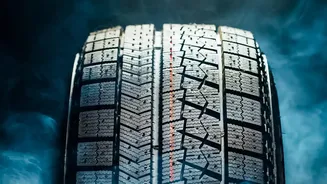
While fog lights are critical, they are part of a larger system of monsoon preparedness. Before heading to the ghats, ensure your other vehicle components are in top condition. Check your tyres for adequate tread depth (at least 1.6mm) to ensure grip on slippery roads. Your windscreen wipers must be in excellent shape to provide a clear view during a downpour. Have your brakes inspected, as you'll be relying on them heavily on steep descents. Finally, pack an emergency kit that includes a tyre inflator, a basic toolkit, and a tow cable, as finding help in remote ghat sections can be incredibly difficult.