


A Tipping Point for Petrol
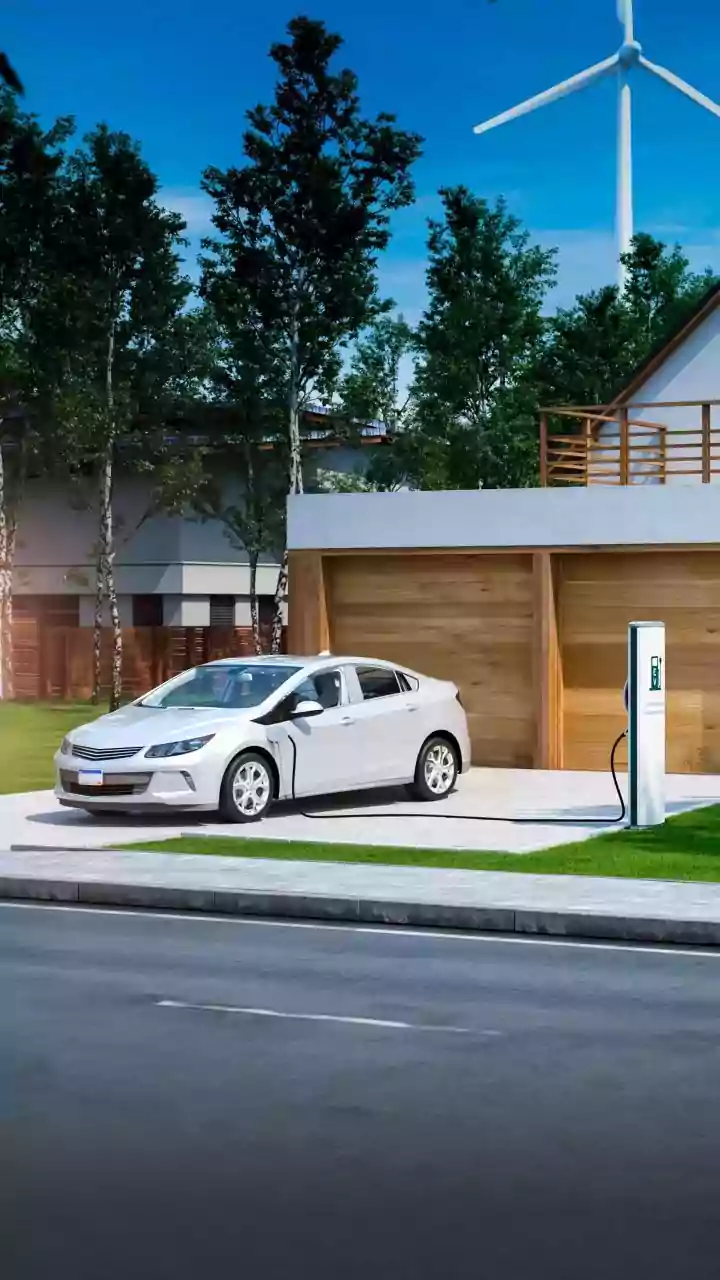
The headline figure from August 2026 was historic: for the first time, the combined retail sales of alternative fuel passenger vehicles—that is, CNG, hybrids, and electric vehicles (EVs)—overtook petrol-powered cars. According to data from the Federation
of Automobile Dealers Associations (FADA), alternative fuels captured a 41.95% market share, edging out petrol's 40.85%. This marks a dramatic reversal from just a year ago when petrol cars had a commanding 11-percentage-point lead. While petrol consumption itself remained strong with an 8.2% year-on-year increase in demand, the shift in new car preferences is undeniable. This isn't just a statistical blip; it's a structural change in the market that automakers cannot ignore.
The Multi-Fuel Reality
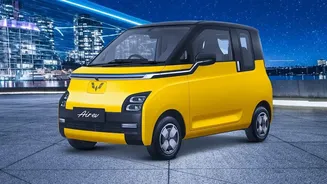
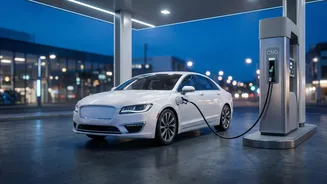
The decline of petrol's dominance isn't just an EV story. While electric vehicles are a crucial part of the transition, making up 7.63% of sales in August, the real volume driver was Compressed Natural Gas (CNG). CNG vehicles accounted for a massive 25.28% of retail sales, establishing them as a mainstream choice for buyers concerned with running costs. Hybrids also played a significant role, capturing 9.04% of the market. This paints a picture of a diverse and pragmatic Indian consumer who is not betting on a single technology. The data shows that while the long-term future may be electric, the immediate future is a mix of everything: CNG for affordability, hybrids for a blend of efficiency and convenience, and EVs for the early adopters and city-dwellers.
How Automakers Are Reading the Signs
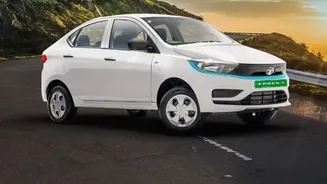
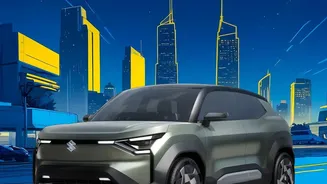
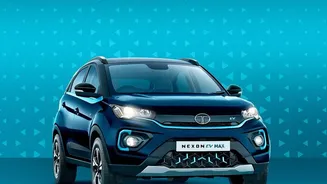
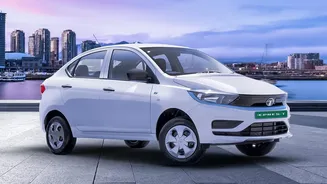
Car manufacturers live and die by this kind of data. It directly influences their short-term production planning and long-term investment strategies. The August numbers validate the multi-powertrain approach that several key players have adopted. Maruti Suzuki's heavy focus on CNG, which makes up around 71% of that market, and its growing hybrid portfolio with Toyota, looks like a well-placed bet. Tata Motors continues to lead the EV charge with a dominant 42.8% market share in electric passenger vehicles, a strategy reinforced by the 53% year-on-year growth in EV registrations. Meanwhile, Mahindra is emerging as a strong challenger in the EV space. Automakers who have been slow to diversify beyond petrol and diesel are now under immense pressure to adapt. The consumer has spoken, and they are demanding choice.
Your Next Car Is Being Decided Now
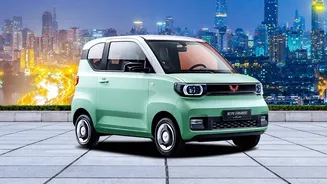
This shift has direct implications for the cars that will be available in showrooms over the next two to five years. Automakers use this sales data to decide where to allocate their research and development budgets. The success of CNG will likely lead to more models being offered with factory-fitted kits. The steady rise of hybrids will encourage more manufacturers to introduce hybrid versions of their popular SUVs and sedans. The impressive, though moderating, growth in EVs will push companies to develop more affordable models and lobby for better charging infrastructure. Furthermore, upcoming regulations like the Corporate Average Fuel Consumption (CAFE) 3 norms, effective from 2027, will legally require manufacturers to improve the overall efficiency of their entire fleet, providing another strong incentive to sell more EVs and hybrids. Essentially, the choices buyers made in August are sending a powerful message that is shaping the product pipeline for years to come.