



The Monsoon Advantage
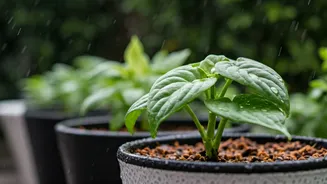
The common belief is that heavy rains spell disaster for potted plants, leading to root rot and washed-out nutrients. While these are valid concerns, they are easily managed. In return, the monsoon offers a trifecta of benefits that commercial growers
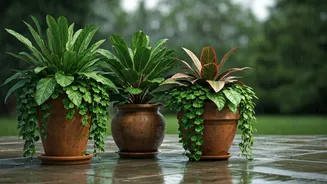
try to replicate artificially. First, there's the free, regular watering with pure rainwater, which is naturally soft, slightly acidic, and free of the salts and minerals found in tap water. Second, the increased humidity creates a lush, tropical environment where many plants, especially foliage-heavy ones, truly flourish. Finally, the overcast skies and cooler temperatures reduce heat stress on plants, allowing them to focus their energy on growth rather than mere survival. This combination makes the monsoon a powerful ally for the urban gardener.
What to Plant Right Now
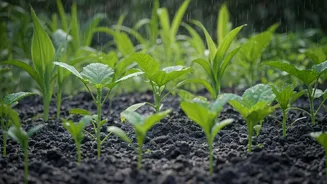
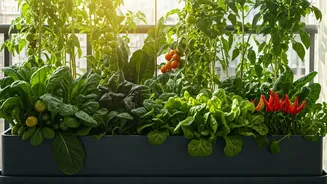
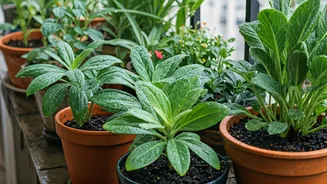
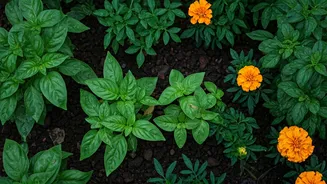
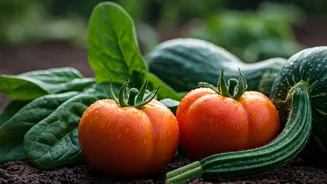
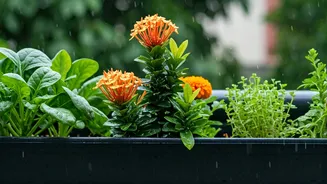
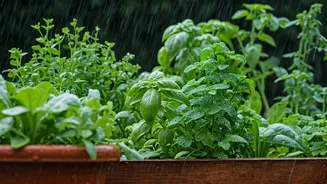
The key to a successful monsoon garden is choosing plants that love the conditions. This is the prime time for fast-growing vegetables and vibrant flowers. For edibles, consider leafy greens like spinach (palak), amaranth (chaulai), and fenugreek (methi), which thrive in the cooler weather. It’s also the perfect season for gourds; varieties like bottle gourd (lauki) and ridge gourd (tori) can be easily trained up a trellis on a balcony. Herbs such as mint, coriander, and basil also do exceptionally well. If you crave colour, this is your moment. Balsam, hibiscus, marigolds, and zinnias explode into bloom during the rains, adding a cheerful splash to even the greyest of days. Many of these can be grown from seeds sown directly into your pots at the start of the season.
Mastering Drainage is Everything
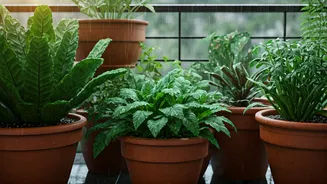
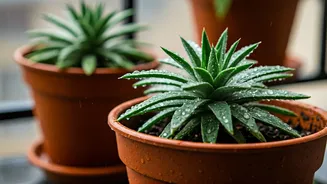
The single most critical factor for monsoon container gardening is drainage. Without it, your plants will drown. Before you plant anything, ensure every container has at least one, preferably several, unobstructed drainage holes at the bottom. If your favourite decorative pot doesn't have holes, you have two options: drill them yourself or use it as a cachepot (a decorative outer pot) by placing a smaller pot with drainage holes inside it. Elevating your pots slightly off the ground on pot feet, bricks, or a simple plant stand can also dramatically improve airflow and drainage, preventing the base from sitting in a puddle of stagnant water after a heavy downpour. Check the drainage holes periodically, as they can get clogged with soil or roots.
Rethink Your Soil and Watering
Monsoon gardening demands a specific type of potting mix. Heavy, clay-based soils will retain too much water and become a dense, suffocating sludge. Your goal is a light, airy, and well-draining medium. A reliable DIY mix is one part garden soil, one part compost or cocopeat, and one part coarse sand or perlite. This composition provides nutrients and moisture retention while allowing excess water to drain away freely. While the rain does much of the watering for you, don't become complacent. On days with only light drizzles or no rain, check the soil. Stick your finger an inch deep; if it feels dry, it's time to water. Conversely, after a week of relentless rain, the soil’s nutrients can be washed away. A light feeding with a balanced liquid fertiliser every 15-20 days can replenish what the rain has leached out.
Guard Against Pests and Disease
High humidity is a breeding ground for fungal diseases and pests like mealybugs and aphids. Prevention is your best defence. Ensure good air circulation between your plants by not overcrowding them. Prune away any yellowing leaves or diseased-looking parts immediately to prevent spread. A fortnightly spray of neem oil solution (a few drops of neem oil and liquid soap mixed in water) is an excellent organic preventative measure. It disrupts the life cycle of many common pests without harming your plants or the environment. Inspect your plants regularly, especially the undersides of leaves, to catch any infestations early before they become a major problem.