



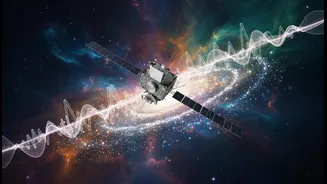


Hearing the Winds of Another World
The most direct way to hear space is to actually put a microphone there. That’s exactly what NASA did with the Perseverance rover on Mars. For the first time, humanity has captured the real, unfiltered sounds of another planet. These aren't computer-generated
effects; they are genuine audio recordings. We can now hear the faint, low-pitched gust of Martian wind, a sound shaped by an atmosphere far thinner than our own. The rover has also recorded the crunch and rattle of its own metal wheels rolling over Martian gravel and the whir of its robotic arm at work. These sounds are more than just a novelty. For scientists, they provide a new layer of data, helping them understand the Martian atmosphere, diagnose the rover's health, and even learn about the properties of rocks from the sound of a laser hitting them.
Turning Silent Data into Sound
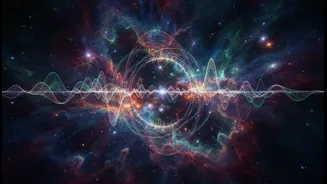
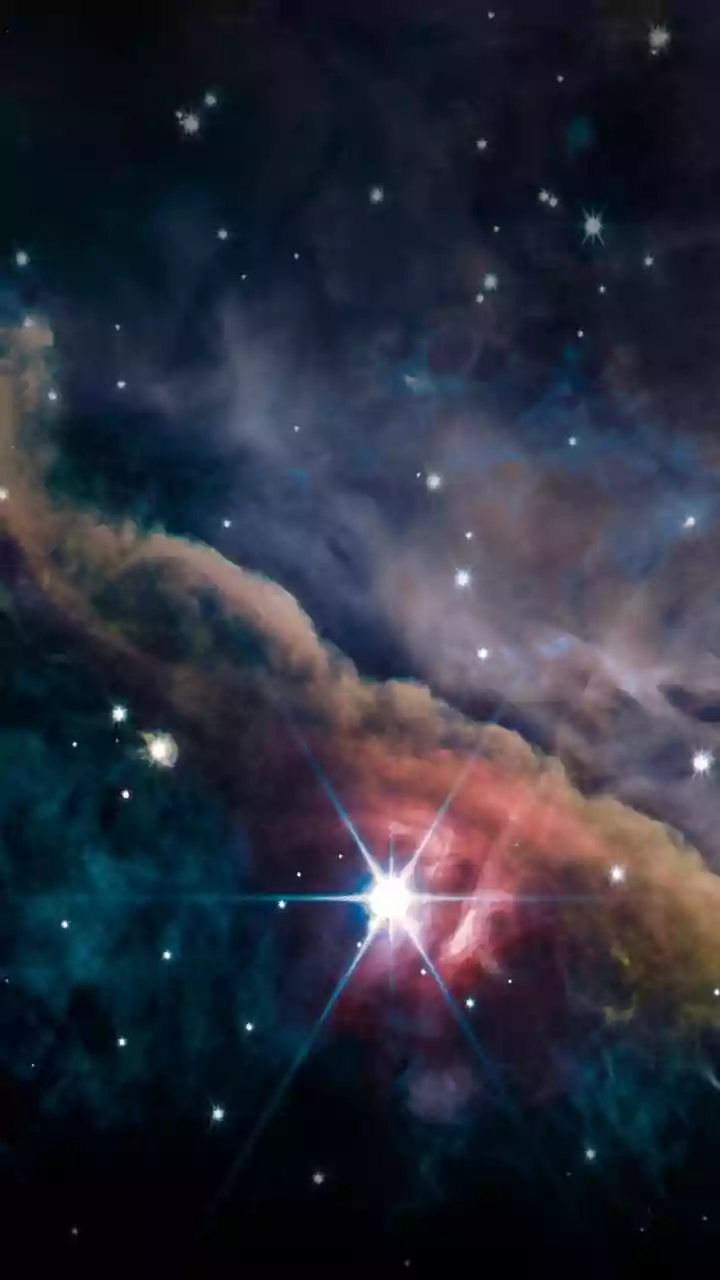
While Mars offers actual sounds, most of the universe remains a vacuum where sound can't travel. This is where a clever technique called 'data sonification' comes in. Scientists take the vast amounts of digital data collected by telescopes like the Hubble, Chandra X-ray Observatory, and James Webb Space Telescope and translate it into sound. Information like brightness, position, or the type of light (X-ray, radio wave, visible light) is assigned an audio characteristic like pitch, volume, or a specific instrument sound. This allows us to experience cosmic phenomena as a kind of symphony. Suddenly, a stunning image of a nebula or galaxy cluster becomes a rich, multi-layered soundscape.
The Eerie Music of Black Holes
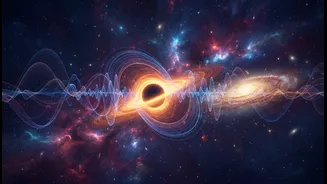
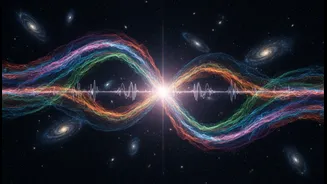
Some of the most captivating sonifications come from one of the most mysterious objects in the universe: black holes. In 2022, NASA released a now-famous sonification of the black hole at the center of the Perseus galaxy cluster. Astronomers found that pressure waves sent out by the black hole created ripples in the surrounding hot gas. By translating these ripples—actual sound waves, though at a frequency 57 octaves below middle C and thus inaudible to humans—they created an eerie, haunting audio experience. In other projects, data from different telescopes observing the same black hole are combined. For instance, radio waves might be mapped to low tones, visible light to mid-range notes, and high-energy X-rays to the highest pitches, allowing listeners to hear the distinct contributions of each dataset around the black hole.
A New Tool for Discovery
This audio approach is revolutionizing how scientists interact with data. The human ear is exceptionally good at picking out patterns, variations, and anomalies in complex datasets that might be missed by the eye alone. Listening to data can reveal subtle changes or hidden correlations that aren't obvious in a visual chart or image. Furthermore, sonification is a powerful tool for accessibility. It opens up the field of astronomy to blind and visually impaired researchers and enthusiasts, allowing them to explore and analyze data in a new, meaningful way. Studies have shown that engaging multiple senses helps people learn and build trust in the scientific data they are experiencing.