
Why Night Temperatures Are Critical
In the Himalayas, night temperatures can plummet dramatically, often dropping to between -10°C and -15°C at altitudes above 12,000 feet, even on treks considered moderate. This extreme cold isn't just a matter of comfort; it's a significant safety concern.
The primary risks are hypothermia and frostbite, conditions where your body loses heat faster than it can produce it, leading to dangerously low body temperature and tissue damage. A well-chosen campsite can be several degrees warmer than a poorly chosen one just a hundred metres away, making a huge difference in your ability to stay warm, get restorative sleep, and prevent cold-related injuries. Proper site selection works in tandem with your gear to create a liveable micro-environment in a harsh landscape.
The Valley Trap: Understanding Temperature Inversion
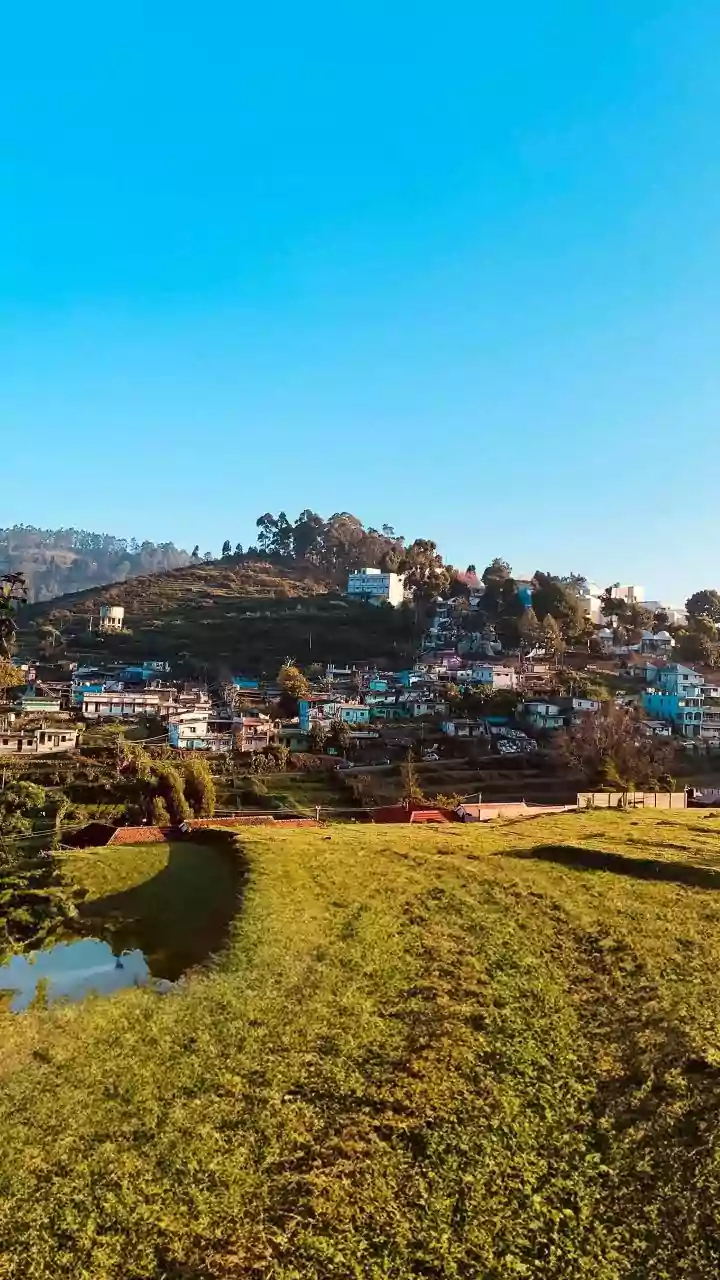
It seems logical to camp in a low-lying valley for protection from the elements. However, in calm, clear winter conditions, this is often the coldest place to be. This is due to a phenomenon called temperature inversion. At night, the ground radiates heat and cools down rapidly. The air in contact with the sloped ground becomes cold and dense. This cold, heavy air then flows downhill and pools in the lowest points, such as valley floors and depressions. As a result, the temperature in the valley bottom can be significantly colder than on the slopes or a low ridge just above it. You might climb up from a frigid valley floor and find the air is surprisingly warmer partway up the mountain.
Beware the Downhill Breeze: Katabatic Winds
Related to temperature inversion is the concept of katabatic winds. This is the scientific term for the downslope flow of cold, dense air that occurs at night. Think of it as a river of cold air draining from the high peaks down into the valleys. These winds can be deceptively strong and will relentlessly sap heat from your tent and your body. Pitching your tent in the direct path of a major gully or drainage area means you will be exposed to this persistent cold flow all night long. This significantly increases the wind chill factor, making the 'feels like' temperature far colder than the thermometer reading. Even a light wind can dramatically accelerate heat loss.
Seek the Strategic High Ground
So, if valleys are cold traps, where should you camp? The ideal location is often on a natural bench, terrace, or a slight flat area on a low ridge, well above the valley floor but below the exposed high ridgeline. This elevation keeps you above the coldest air that pools in the bottom of the valley. Furthermore, it places you out of the direct path of the main channel of katabatic winds. You are looking for a spot that is high enough to be out of the cold sink but not so high that you are exposed to the prevailing high-altitude winds, which are often much stronger on open summits and high ridges. It's a strategic balance between avoiding the cold pool below and the harsh winds above.
Use Nature as a Windbreak
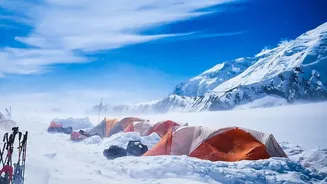
Wind is a camper's enemy in winter. Finding a site with natural protection can dramatically improve your warmth and comfort. Look for locations sheltered by a cluster of sturdy trees, large boulders, or a natural curve in the terrain. These features can disrupt the wind's flow, creating a calmer, more sheltered space for your tent. If natural features are scarce, you can build a protective wall out of snow blocks. Stacking them a few feet high on the windward side of your tent can significantly reduce the impact of blowing wind and snow, making your shelter a much more pleasant place to be.
Position for the Morning Sun
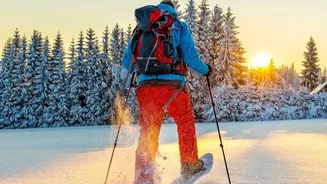
Finally, think about the sun's path. A campsite that catches the first rays of the morning sun is invaluable. It’s coldest just before dawn, and that early sunlight provides a crucial psychological boost and physical warmth after a long, cold night. An east-facing slope is often ideal for this reason. The sun will also help to dry any condensation on your tent and gear, which is vital for maintaining insulation on a multi-day trek. Camping in a spot that remains in shadow until late morning means a much colder and potentially damper start to your day, which can sap energy and morale.