


From Global Trends to Regional Treasures
Not long ago, the pinnacle of sophisticated dining for young, urban Indians might have been a well-made risotto or a perfect wood-fired pizza. While global cuisines remain popular, a significant shift is happening. A new generation is looking inward,
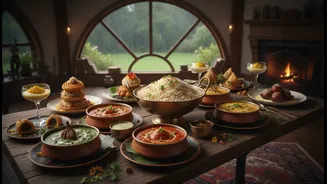
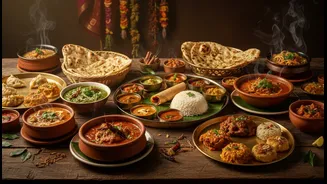
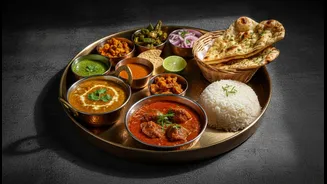
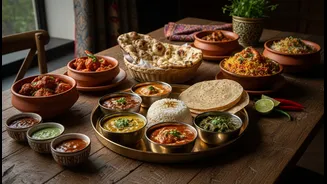
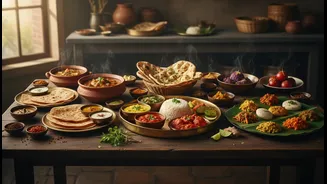
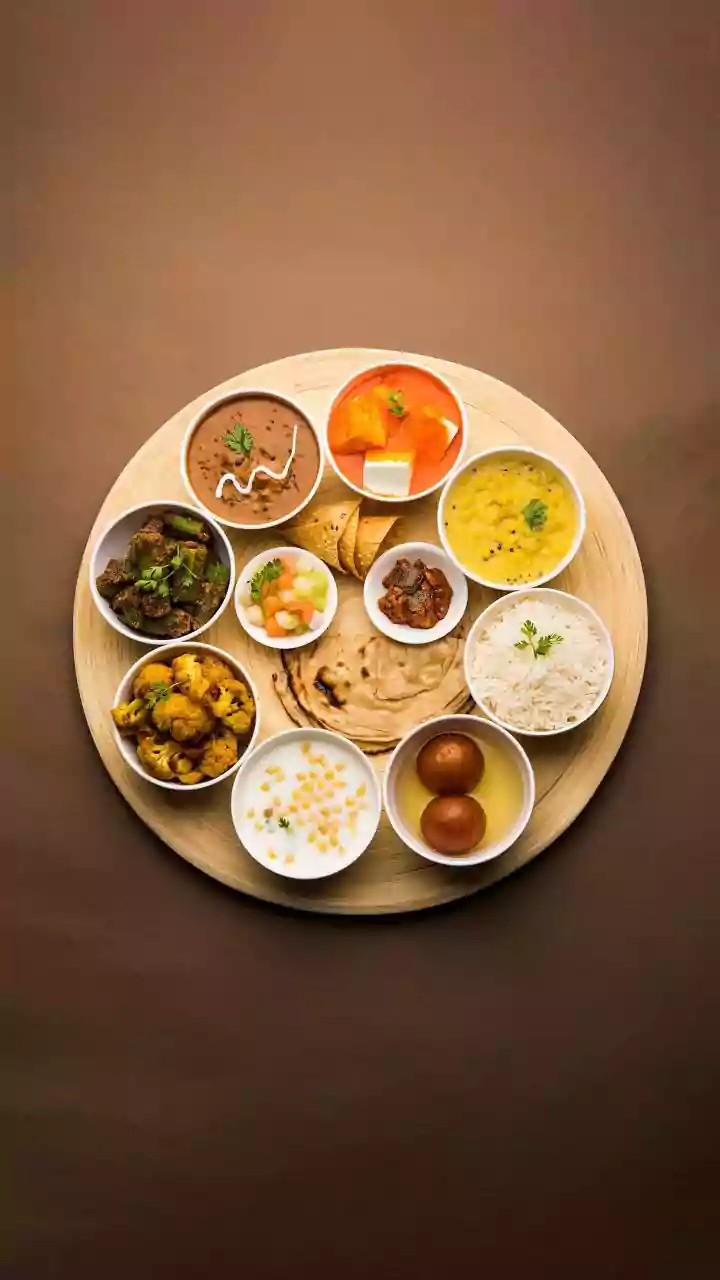
seeking out the rich, diverse, and often-overlooked culinary traditions of India's myriad regions. This isn't about rejecting the outside world, but about a newfound appreciation for what’s been at home all along. Tired of generic, pan-Indian restaurant menus that offer the same roster of butter chicken and paneer tikka, they are digging deeper. They’re seeking out hyper-local dishes, from Nagaland's smoked pork with bamboo shoots to Kerala's savoury avial, hungry for flavours that feel rooted, soulful, and authentic.
The Heritage Kitchen Revival
This culinary renaissance is not just happening in fancy restaurants. It’s unfolding in home kitchens across the country. Spurred by a desire for healthier meals and the accessibility of online tutorials, young people are rediscovering the joy of home cooking. This trend, sometimes called “Nani-Core,” sees Gen Z turning grandmother-style recipes into a modern form of cultural expression. Social media is filled with stylised videos showcasing the making of humble regional dishes, from Sindhi Kadhi to Maharashtrian Pitla, often using heirloom utensils like brass pots and wooden spoons. For many, learning a family recipe has become a way to connect with their cultural roots, document precious traditions, and find comfort in the familiar tastes of childhood.
Chefs as Cultural Champions
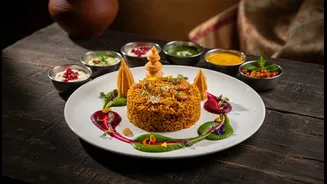
India's top young chefs are leading the charge, moving away from fusion that feels forced and instead championing heritage. Many are building their reputations by reviving lost recipes or giving forgotten regional ingredients a platform. They are researching culinary history, collaborating with home cooks, and creating menus that tell a story. These chefs are proving that traditional techniques and ingredients can be presented in a way that is refined and exciting for a modern palate, without sacrificing their soul. Their restaurants are becoming cultural classrooms, introducing diners to the incredible diversity of Indian food that exists beyond the standard fare.
Authenticity in a Box
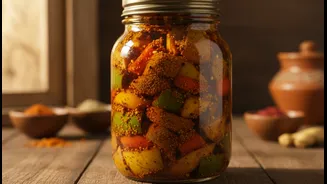
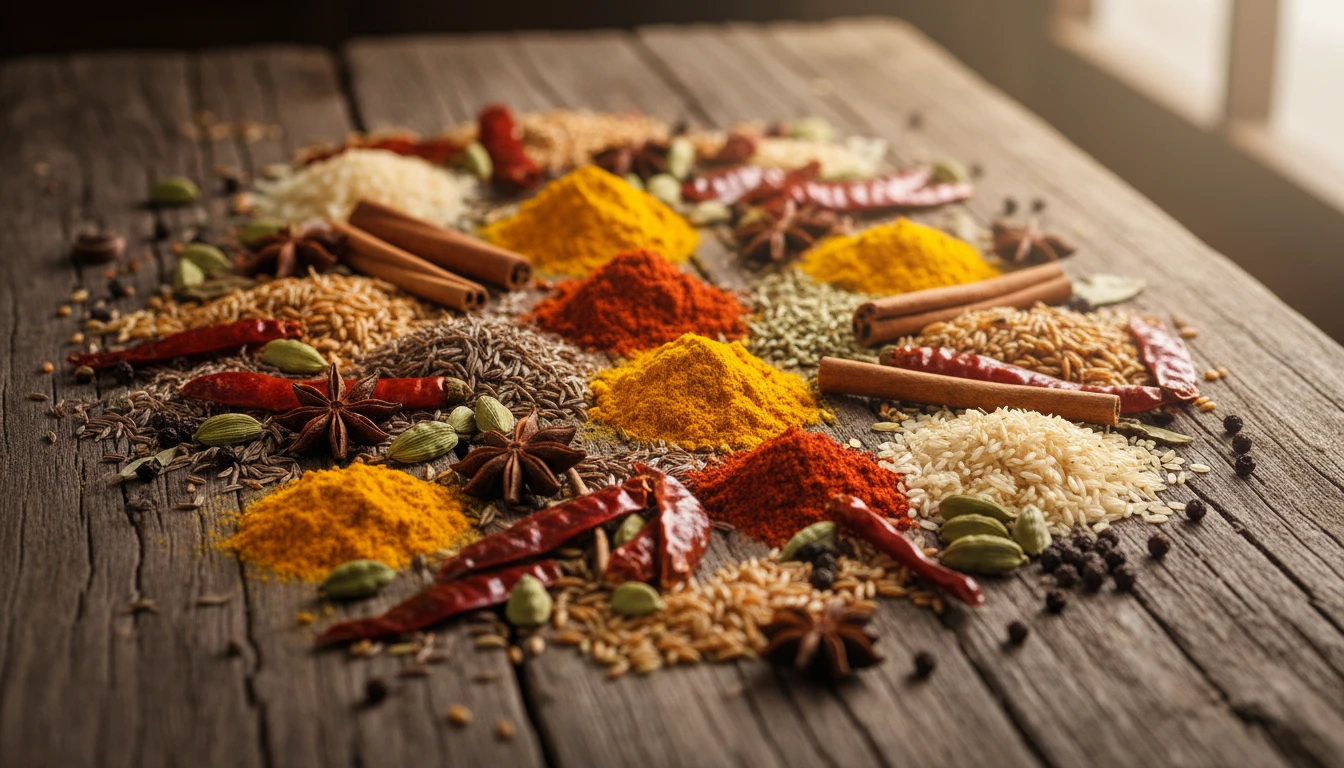
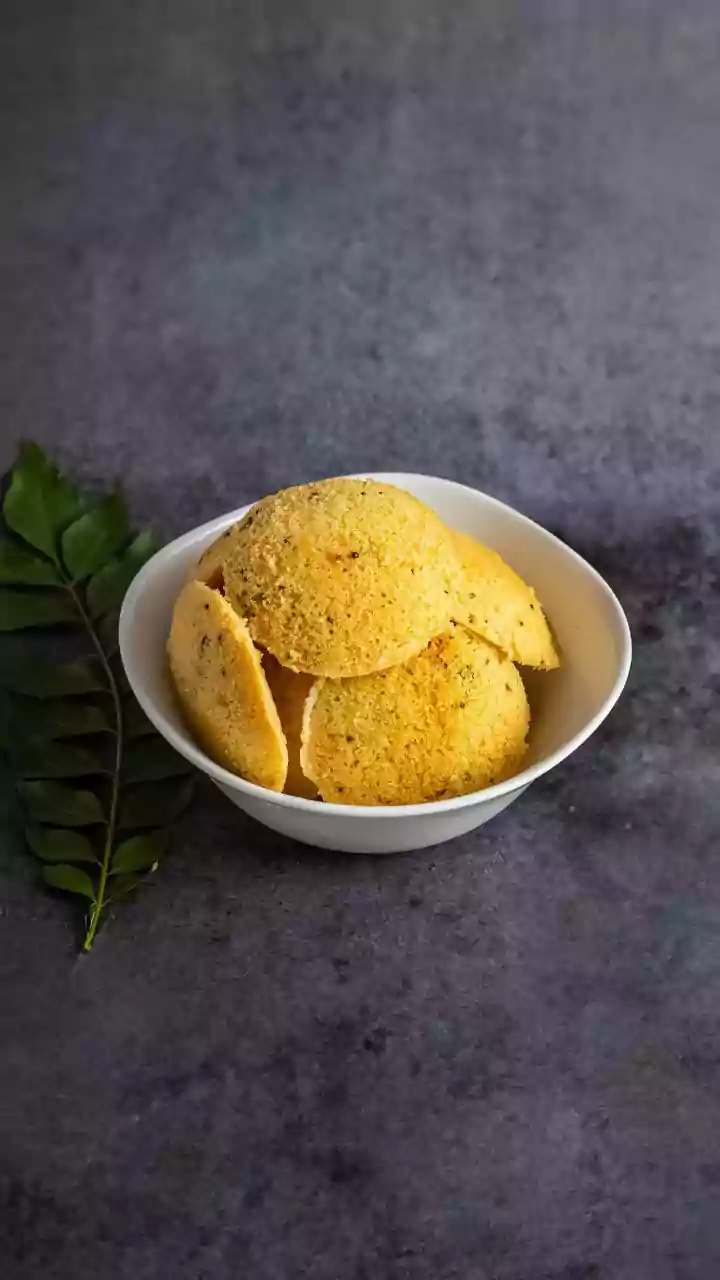
The movement has also sparked a wave of entrepreneurship. A new breed of food startups, often founded by millennials and Gen Z, is finding commercial success by celebrating tradition. These companies are packaging and marketing regional specialties for a new generation. Think ready-to-cook millet-based dosa mixes, artisanal pickles based on family recipes, and single-origin spices. They understand that today’s consumer values not just convenience, but also a product’s origin story. By making traditional foods accessible and appealing, these startups are ensuring that classic flavours have a firm place in the modern Indian pantry.
A Search for Identity on a Plate
So why is this happening now? This embrace of classic flavours is more than just a food trend; it's a form of cultural self-expression. In a globalised world saturated with international influences, turning to the food of one's own region is a way to anchor oneself and affirm one's identity. It’s a reaction to the homogenisation of food and a quiet declaration that local traditions have immense value. This shift is also tied to a broader wellness movement, which sees virtue in the local, seasonal, and time-tested food practices of previous generations. For many young Indians, eating a traditional meal is not about nostalgia for a past they never knew, but about building a future where their culinary heritage is celebrated, preserved, and savoured.