







The Hidden Treasure in Your Peels
We often think of citrus fruits for their juicy flesh and vitamin C, but the peel is where many of the most potent nutrients reside. Citrus peels are packed with flavonoids, which are powerful antioxidants. Compounds like hesperidin and naringin, found
in high concentrations in the peel and pith, have been studied for their health-protective properties. The peel also contains an aromatic compound called d-limonene, the essential oil that gives the fruit its characteristic scent and is known for its ability to help neutralize gastric acid. Furthermore, peels are an excellent source of dietary fibre, which is often lacking in modern diets but is crucial for digestive wellness. By using the peel, you are not only cutting down on kitchen waste but also unlocking a concentrated source of beneficial compounds.
A Boost for Your Gut Microbiome
The connection between this chutney and gut health is twofold. Firstly, the significant fibre content in citrus peels, particularly a soluble fibre called pectin, acts as a prebiotic. Prebiotics are essentially food for the beneficial bacteria in your gut, such as Lactobacillus. Encouraging the growth of these good bacteria helps to create a balanced and healthy gut microbiome, which is fundamental for everything from proper digestion to a strong immune system. Some studies have shown that citrus peel extracts can promote the growth of these beneficial microbes while reducing harmful ones. Secondly, the anti-inflammatory properties of the flavonoids in the peels can help support a calm and healthy digestive tract. A well-functioning gut is better at absorbing nutrients, regulating your system, and contributing to your overall well-being.
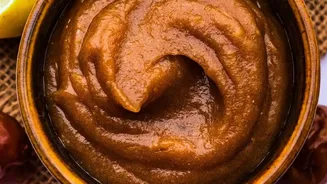
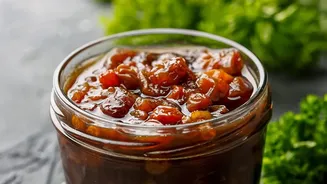
Recipe: Zesty Zero-Waste Citrus Chutney
This recipe is adaptable to lemons, oranges, or a mix of both. For a less bitter taste, you can boil the chopped peels in water for 5-10 minutes and discard the water before proceeding.Ingredients:- Peels from 4-5 medium-sized organic oranges or lemons, finely chopped- 1-inch piece of ginger, grated- 2-3 green chillies, slit (adjust to your spice preference)- 1 teaspoon mustard seeds- 1/2 teaspoon turmeric powder- A pinch of asafoetida (hing)- 1 tablespoon of jaggery or sugar- 1 tablespoon tamarind paste (optional, for extra tang)- 2 teaspoons oil (like sesame or coconut oil)- Salt to tasteInstructions:1. Ensure your citrus peels are washed thoroughly. If they are not organic, a scrub with warm, salted water is recommended. Finely chop the peels.2. Heat the oil in a pan over medium heat. Add the mustard seeds and let them splutter. Add the asafoetida, followed by the green chillies and grated ginger. Sauté for a minute until fragrant.3. Add the chopped citrus peels to the pan along with the turmeric powder and salt. Stir well and cook for 5-7 minutes, allowing the peels to soften slightly.4. Add about half a cup of water, the jaggery, and tamarind paste if using. Mix everything together, cover the pan, and let it simmer on low heat for 15-20 minutes, or until the peels are tender and the chutney has thickened. Stir occasionally to prevent sticking.5. Once the chutney reaches your desired consistency, turn off the heat and let it cool completely.
How to Enjoy Your Citrus Chutney
This versatile condiment can elevate a wide range of meals. Its tangy, spicy, and slightly sweet profile makes it a perfect accompaniment to Indian staples like dal and rice, roti, or parathas. You can also serve it alongside idli or dosa for a zesty kick. Beyond traditional pairings, consider using it as a glaze for roasted vegetables or meats. It can be stirred into plain yogurt to create a flavourful dip for snacks or used as a spread in sandwiches and wraps to add a unique zing. Store your homemade chutney in a clean, airtight glass jar in the refrigerator. It should stay fresh for several weeks, allowing you to enjoy its benefits daily.