



The New Midnight Menu: Convenience on Demand
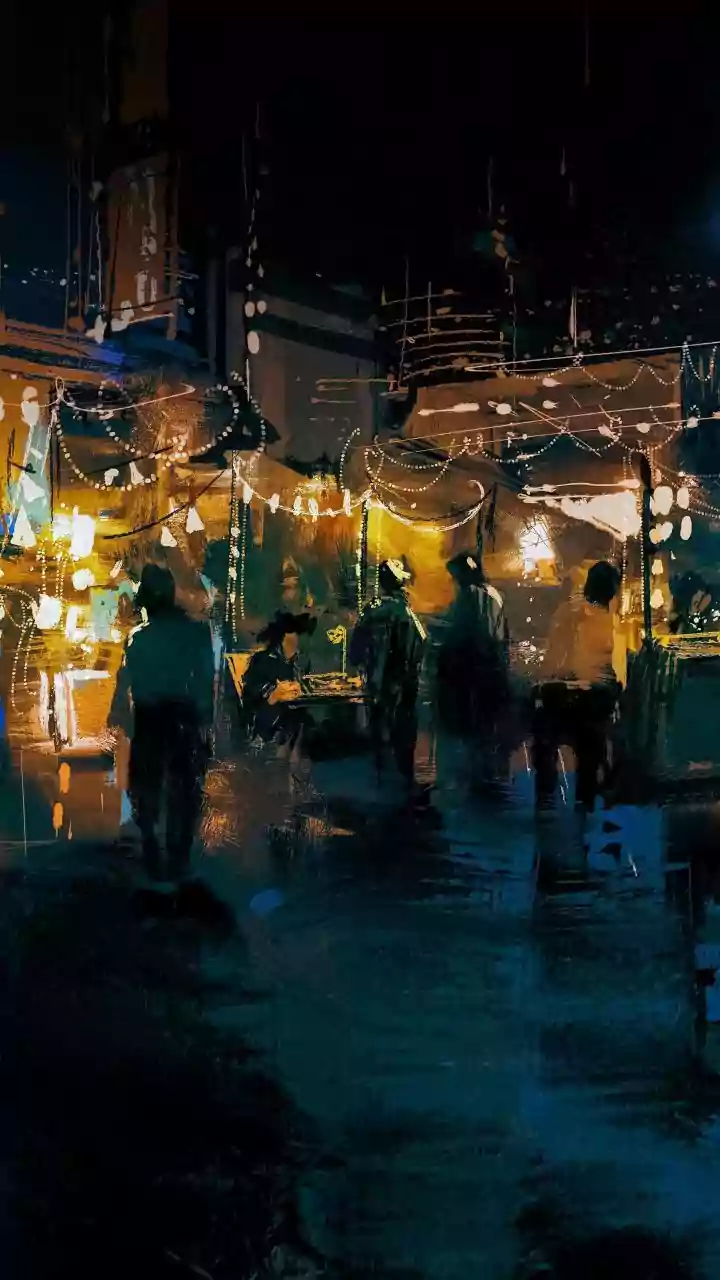
The traditional late-night food run—think bustling stalls serving hot parathas or biryani to night owls and shift workers—is a cherished part of India's urban fabric. But a new culture is rapidly taking hold, one powered by technology and tailored for
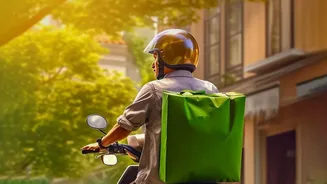
convenience. The rise of food delivery platforms like Zomato and Swiggy has fundamentally altered meal timings for a huge segment of the population. These apps, along with a growing ecosystem of 24/7 cloud kitchens, have made ordering food at 2 AM as seamless as ordering lunch. Industry data shows that late-night delivery volumes have doubled over the past year, signaling a permanent lifestyle shift rather than a fleeting trend. The friction of limited options or the effort of travel has vanished, making instant gratification the new normal.
Driven by a 24/7 Urban Lifestyle
This change isn't just about technology; it's a reflection of how urban India lives and works. Extended work hours, the prevalence of hybrid schedules, and jobs tied to global timelines mean the traditional 9-to-5 day is no longer the standard for many. For a significant portion of the workforce, especially in tech and support industries, the workday ends long after sunset. This has pushed back conventional meal times, with dinner often happening well past 10 PM. As a result, a “fourth meal” occasion has emerged, catering to late-night work sessions, study breaks, or binge-watching marathons. This growing demand from students, young professionals, and those living in nuclear families or alone has created a robust market that restaurants and delivery platforms are eager to serve.
The Rise of the Cloud Kitchen
Central to this late-night boom is the proliferation of cloud kitchens, also known as virtual or ghost kitchens. These delivery-only establishments operate without a physical storefront, drastically reducing overhead costs associated with a traditional restaurant. This lean model allows them to function during late hours when dine-in spots might be closed, catering specifically to the delivery market. Many cloud kitchen operators run multiple virtual brands from a single kitchen, offering everything from burgers and pizzas to desserts and healthy bowls, thereby maximizing efficiency. This operational flexibility is crucial for meeting late-night demand, which often sees cravings for diverse cuisines. Food delivery platforms are actively encouraging this ecosystem, creating dedicated “late-night cravings” sections and promoting eateries that operate past midnight.
A Changing Palate After Dark
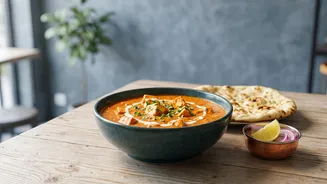
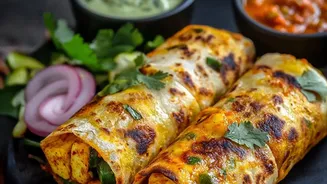
While classic late-night comfort foods like biryani and Maggi remain popular, the digital marketplace has broadened the midnight palate. Data from delivery apps shows that pizzas, burgers, and desserts are now among the most frequently ordered items between 11 PM and 3 AM. Desserts, in particular, have seen a massive surge, becoming a category of their own for late-night indulgence. This shift is also driven by what marketers call “visual craving,” where trending food content on social media inspires orders. The accessibility of global cuisines means consumers are no longer limited to what's available in their immediate vicinity. This expanding menu reflects a generation that views food as a form of entertainment and self-expression, available at any hour.
What Happens to Street-Side Stalls?
While the digital food economy expands, it exists alongside the traditional late-night food scene. The street-side vendor offering a quick, affordable meal has been a cultural cornerstone for decades. The rise of delivery apps presents both a challenge and an opportunity. Some vendors are adapting by listing themselves on aggregator platforms, while others continue to rely on loyal, local foot traffic. However, the convenience and variety offered by apps are undeniably shifting consumer habits. The late-night landscape is becoming a hybrid model where a digitally-savvy generation can choose between the nostalgia of a street-side meal and the on-demand convenience of a delivered one. The future will likely see these two worlds co-exist, each serving a different need within India's dynamic and evolving food culture.