







Plan and Shop with Intention
The foundation of a zero-waste kitchen begins before you even start cooking. Planning your meals for the week is the most effective first step. A quick check of your fridge and pantry reveals what you already have, preventing duplicate purchases and ensuring
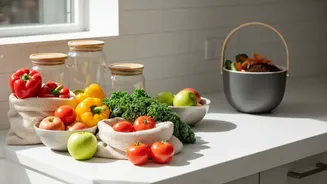
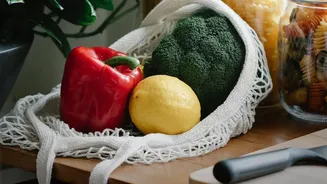
food is used before it expires. When you do shop, bring reusable bags for both groceries and produce. Opting for loose fruits and vegetables over pre-packaged ones immediately cuts down on single-use plastics. Visiting local markets or stores with bulk bins allows you to buy exactly what you need—whether it's a handful of nuts or a specific amount of spice—further reducing both food and packaging waste.
Embrace Root-to-Stem Cooking
Many parts of vegetables that we habitually discard are not only edible but also packed with flavour and nutrients. This is the core of root-to-stem cooking. Instead of tossing carrot tops, blend them into a pesto. Use cauliflower leaves and broccoli stalks in stir-fries or roast them until tender. Even tough kale stems can be finely chopped and added to soups or sauces. By using the entire vegetable, you maximize your resources, get more value for your money, and significantly lessen the amount of food that ends up in the bin.
Rethink Food Storage
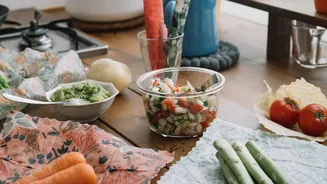
Proper storage is crucial for extending the life of your food and eliminating the need for plastic wrap and single-use bags. Invest in a set of clear, reusable glass or steel containers. Seeing your leftovers makes you more likely to eat them. Keep leafy greens fresh by storing them in a container with a cloth to absorb moisture. Many herbs last longer when stored upright in a jar with a little water. You can also reuse glass jars from jams and sauces for storing dry goods, leftovers, or even for making overnight oats.
Get Creative with Leftovers and Scraps
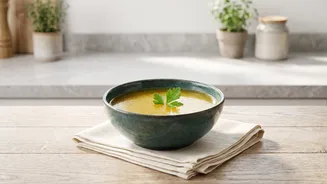
Leftovers are not a problem to be solved, but an opportunity for a new meal. Transform last night's roasted vegetables into a frittata or use cooked rice for a quick fried rice. Food scraps, too, have immense potential. Keep a bag in your freezer for vegetable peels, onion ends, and herb stems. Once full, simmer them with water to create a flavourful homemade broth. Citrus peels can be used to infuse vinegar for a natural all-purpose cleaner or boiled with spices to create a fragrant potpourri.
Composting for Urban Dwellers
For the food scraps that can't be eaten, composting is the final step in a zero-waste kitchen. Even in a small urban apartment, several options are available. Vermicomposting, or worm composting, uses a bin that can be kept under a sink or in a closet, where worms efficiently break down food waste into nutrient-rich compost for plants. Another option is Bokashi composting, which ferments kitchen scraps (including meat and dairy) in an airtight bucket. If you don't have space for your own system, many cities now have compost collection services that will do the work for you.