




Beyond the Instagram Aesthetic
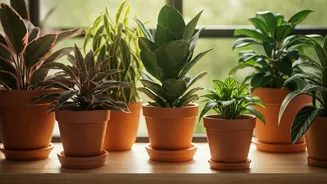
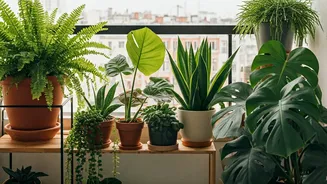
It’s easy to dismiss the rise of the ‘plant parent’ as just another social media fad. After all, a well-placed fiddle-leaf fig or a trailing pothos can instantly elevate a room’s aesthetic, making it perfectly curated for Instagram. But while the visual
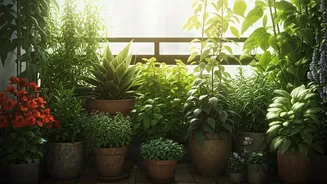
appeal is undeniable, dismissing this trend as purely superficial misses the bigger picture. For many young urbanites in India, the journey into gardening starts with aesthetics but quickly blossoms into something far more profound. It represents a conscious choice to cultivate beauty and life in personal spaces, transforming sterile apartments into living sanctuaries. The initial ‘like’ on a photo evolves into a genuine appreciation for the form, texture, and presence of a living thing within the home.
An Antidote to Digital Burnout
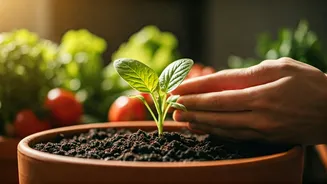
In a world dominated by screens, deadlines, and the relentless hum of digital notifications, gardening offers a powerful antidote. It is a fundamentally analogue activity that demands patience, presence, and a gentle rhythm. The act of tending to plants—watering, pruning, checking the soil—is a form of active mindfulness. It forces a pause in the day, a moment to disconnect from the virtual world and reconnect with a tangible, living organism. For a generation grappling with high levels of anxiety and burnout, this tactile hobby provides a proven mental health boost. Watching a new leaf unfurl or a bud begin to bloom offers a simple, quiet joy and a sense of accomplishment that the fast-paced digital world often fails to provide.
The Rise of the Balcony Farmer
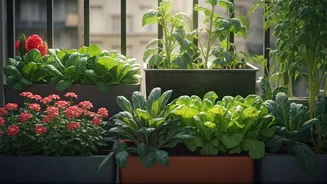
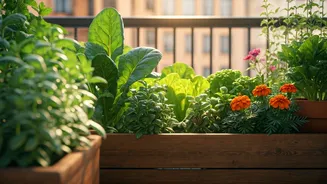
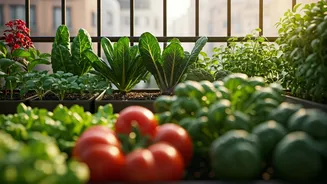
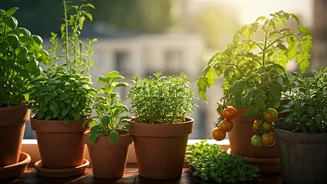
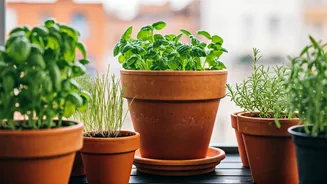
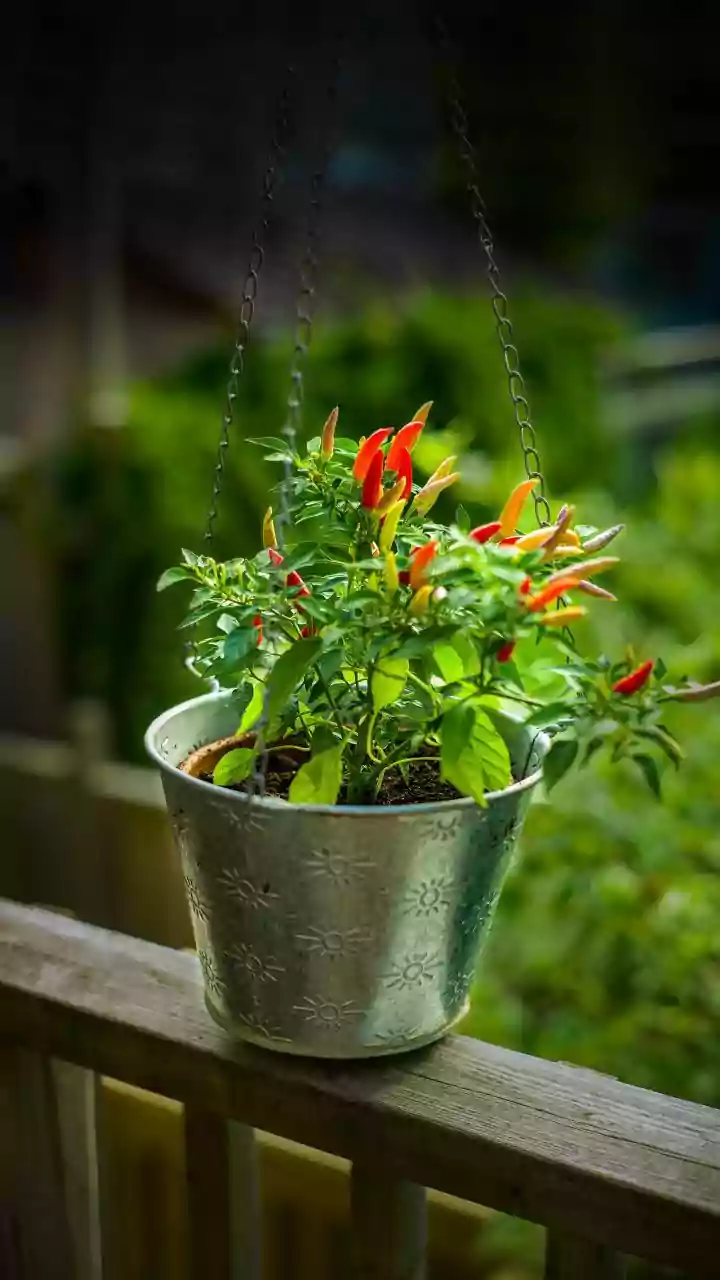
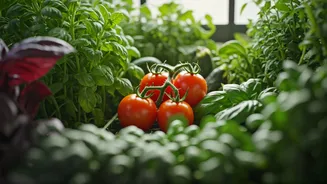
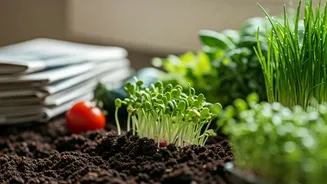
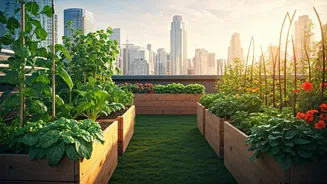
The trend extends beyond decorative houseplants into the realm of a-la-carte agriculture. Limited space is no longer a deterrent. Urban balconies, windowsills, and terraces are being transformed into miniature farms, sprouting everything from essential kitchen herbs like mint and coriander to tomatoes, chillies, and leafy greens. This shift is driven by a growing desire for sustainability and a deeper connection to food. Young consumers are increasingly conscious of where their food comes from, wary of pesticides and long supply chains. Growing their own, even on a small scale, provides a sense of control, self-sufficiency, and unparalleled freshness. The thrill of seasoning a meal with herbs you grew yourself is a reward that resonates deeply.
Nurturing a New Sense of Responsibility
They call themselves ‘plant parents’ for a reason. As many millennials and Gen Z individuals delay traditional life milestones like marriage or having children, caring for plants fills a unique emotional need. It provides an outlet for nurturing instincts, offering a low-stakes way to practice responsibility. Unlike a pet, a plant won’t wake you up at night, but it still depends on you for its survival. This dynamic fosters a sense of purpose and routine. The success of keeping a living thing alive and watching it thrive under your care builds confidence. Each new leaf is a small victory, a testament to one's ability to sustain and nurture life, creating a powerful emotional bond.
A Community That Grows Together
While gardening can be a solitary activity, it has also sprouted vibrant communities, both online and offline. New-age nurseries and online plant stores have flourished, catering specifically to this younger, design-conscious demographic. Social media is rife with Indian plant influencers sharing tips, troubleshooting pests, and celebrating their ‘plant babies.’ WhatsApp groups and Facebook forums have become digital greenhouses where enthusiasts exchange advice on everything from soil composition to the best fertilisers available locally. Offline, plant swap events and gardening workshops are becoming popular social gatherings, creating a new, wholesome way for young people to connect over a shared passion that is, quite literally, grounded.