




The Two-Fold Path: Digital and Physical Links
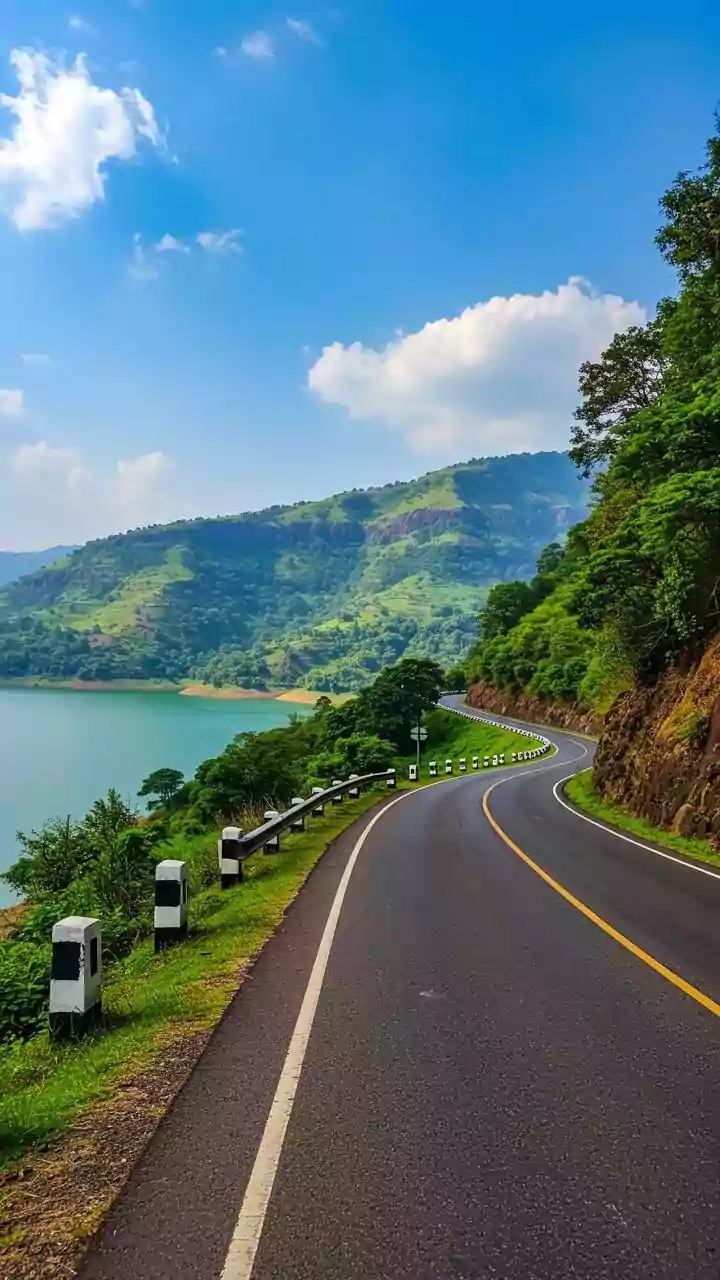
The transformation is happening on two fronts: physical and digital. Massive investment in infrastructure, including the expansion of national highways and the redevelopment of railway stations, has dramatically cut travel times. Schemes like the government's
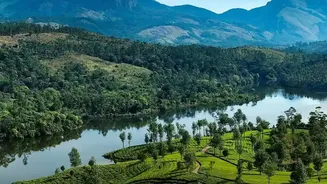
UDAN (Ude Desh ka Aam Naagrik) are specifically designed to improve regional air connectivity, making once-remote areas in states like Madhya Pradesh or destinations near wildlife sanctuaries easier to reach. This physical grid is complemented by the explosive growth of digital infrastructure under the Digital India initiative. Increased internet penetration, even in villages, means that a traveller can now discover a homestay in a remote corner of Kerala or a tribal village in Odisha through social media or a booking platform.
Empowering the Local Homestay Economy
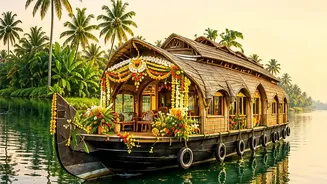
This new connectivity is a powerful catalyst for local economies, particularly through the rise of homestays. For rural entrepreneurs, a stable internet connection is transformative. It allows them to bypass traditional travel agents and market their properties directly to a global audience through online travel agencies and specialized apps. Digital platforms and simple inventory management apps, some designed specifically for rural hosts, are enabling small-scale operators to manage bookings, payments, and guest communication with ease. This shift puts economic power directly into the hands of local communities, providing new income sources and curbing migration to urban centres by creating viable employment at home.
A New Chapter for Wildlife Tourism
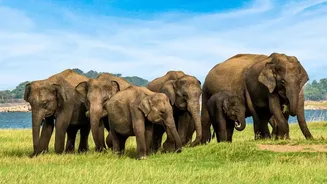
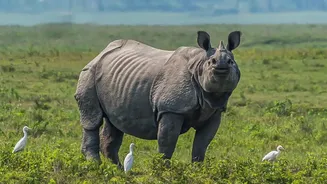
Wildlife tourism is another major beneficiary of this enhanced access. Improved road networks, like the Delhi-Mumbai Expressway, are creating 'tourism corridors' that link major cities to key wildlife reserves such as Ranthambore and Sariska. Furthermore, the UDAN scheme is actively working to revive or develop airstrips near national parks and sanctuaries. This makes it more feasible for tourists to visit these areas without enduring long, arduous road journeys. As branded and eco-conscious operators begin to enter these newly accessible markets, it creates a high-yield niche that can channel funds back into conservation. This approach turns tourism into a tool for protecting the very ecosystems that attract visitors in the first place.
The Road Ahead: Balancing Access with Sustainability
The expansion of tourism into previously untouched areas is not without challenges. Officials and experts caution that simply building infrastructure is not enough; it must be paired with sustainable practices. The influx of visitors brings a responsibility to protect fragile environments and preserve local cultures. The focus is increasingly on developing experience-based travel that is both responsible and sustainable. This involves training local guides, ensuring proper waste management, and promoting community-led initiatives that allow visitors to have authentic interactions, from agri-tourism trails in Kerala to craft workshops with local artisans. The goal is to ensure that as these destinations grow in popularity, their unique character and natural beauty are preserved for future generations.