






The End of the Off-Season
For years, India’s monsoon season from June to September was a well-kept secret among budget travellers and those seeking solitude. Hotels offered steep discounts, and popular destinations were refreshingly free of crowds. That era is over. Recent data
reveals a structural shift in Indian travel habits, with the monsoon emerging as a powerful travel driver in its own right. Hospitality firms are reporting significant year-on-year growth in bookings during these months. Cleartrip's data shows hotel bookings have jumped by nearly 54% compared to the previous year, transforming the once-lean period into a bustling travel window. This surge means that the old strategy of waiting for last-minute deals is no longer a safe bet, especially for the most sought-after properties.
What's Driving the Monsoon Rush?
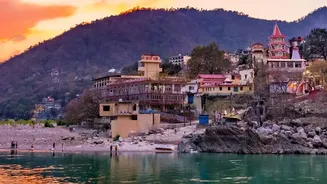
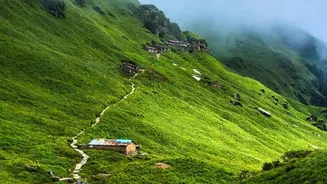
Several factors are fuelling this change. A primary driver is a shift towards experience-led travel, where the journey's intent matters more than the destination or season. Travellers are actively seeking out the lush landscapes, misty hills, and dramatic waterfalls unique to the monsoon. Social media has played a huge role in glamorising rainy-season road trips and cloud-covered resorts in places like the Western Ghats. Furthermore, the rise of remote work and flexible schedules allows for more spontaneous, shorter getaways. One study noted that nearly half of all monsoon-season bookings were made within just three days of travel, indicating a trend towards impulsive trips. This is particularly true for destinations like Lonavala, Coorg, Munnar, and even Goa, which are seeing a renaissance as verdant, peaceful retreats.
The Mid-Range Squeeze
This new demand has disproportionately affected mid-range hotels—the comfortable 3-star properties, boutique guesthouses, and upscale homestays that offer a sweet spot of quality and value. As more travellers hit the road, these are often the first accommodations to fill up. According to data from Cleartrip, mid-range hotels have significantly strengthened their share of bookings during the monsoon season. Unlike luxury hotels, which cater to a smaller demographic, or budget hostels, mid-range stays appeal to a broad cross-section of travellers, from families to solo adventurers and young couples. This popularity means that waiting to book can leave you with either ultra-expensive or less-desirable options.
Your New Booking Timeline
The core takeaway from this trend is simple: you need to book earlier. While it was once possible to secure a great mid-range hotel a week or two in advance, that window is rapidly closing. For popular monsoon destinations like Wayanad (which saw a 160% booking surge), Goa (up 110%), and hill stations like Ooty and Kodaikanal (both up over 70%), planning has become crucial. For prime locations and long weekends, booking at least four to six weeks in advance is the new recommendation. For less-trafficked areas or mid-week travel, a three-week lead time might suffice. This sustained interest has also kept hotel prices more resilient; the massive off-season discounts of the past are becoming rarer.
Smarter Booking Strategies for the Savvy Traveller
Adapting to this new landscape doesn't mean you can't find good value. First, be flexible with your dates; travelling mid-week instead of on a weekend can open up more availability and better prices. Second, consider exploring emerging destinations. While classics like Coorg and Munnar are busy, regions in the Northeast like Nagaland and Arunachal Pradesh are seeing a travel boom and offer incredible monsoon experiences. Third, book directly with hotels, as they sometimes offer special packages or better rates than aggregators. Finally, always check the cancellation policy. Monsoon travel can be unpredictable due to weather, so booking a room with a flexible or refundable rate provides a crucial safety net.