






More Than Just Decoration
Before we get to the specific plants, it's worth knowing why they make such a difference. The concept of biophilic design suggests that humans have an innate need to connect with nature, and bringing plants indoors is a simple way to satisfy that. Studies
show that even a brief glance at something green can help reduce stress and mental fatigue, allowing you to refocus. In a small workspace, a plant offers a 'micro-pause' for your eyes, providing a natural, calming focal point away from your screen. This simple act can lower cortisol, the stress hormone, and create a more tranquil atmosphere.
A Natural Productivity Boost
Feeling productive in a space where you also relax can be a challenge. Research indicates that the presence of indoor plants can enhance concentration, memory retention, and overall productivity by up to 15%. Plants make a workspace feel more pleasant and inviting, which can improve morale and your perception of your work environment. They also help absorb and soften sound, which is a subtle but significant benefit if your desk is in a larger living area. This can make online meetings and calls feel less sharp and echoey.
The Hardy and Handsome Snake Plant
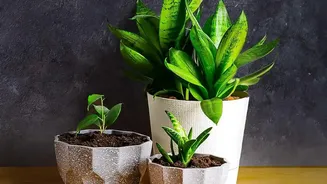
Formally known as Sansevieria, the Snake Plant is practically indestructible, making it a top choice for beginners. Its stiff, upright leaves provide a strong architectural element without taking up much desk space. Snake plants are champions of low-light conditions and tolerate infrequent watering, thriving on a bit of neglect. A major bonus is their ability to filter indoor air pollutants like formaldehyde and benzene. Uniquely, they release oxygen at night, making them an excellent choice for a workspace that might also be in your bedroom.
The Ever-Popular Money Plant
The Money Plant, or Pothos, is perhaps the most common houseplant in Indian homes for good reason. It's incredibly hardy and can grow in soil or just a bottle of water, making it extremely versatile for a small station. Its trailing vines can be guided up a small trellis or left to cascade gracefully from a shelf, adding a dynamic layer of green. Money plants are excellent at purifying the air and are very forgiving if you forget to water them occasionally. They signal their thirst when their leaves start to feel soft, making them easy to read.
The Stylish and Resilient ZZ Plant
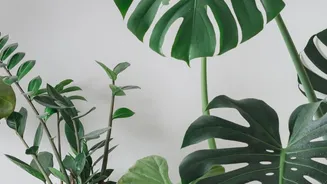
With its wide, waxy, dark green leaves, the Zamioculcas zamiifolia, or ZZ Plant, looks like a piece of modern art. It's a favourite for those who want maximum style with minimum effort. The ZZ plant is extremely drought-tolerant because it stores water in its underground rhizomes, meaning it can go for weeks without a drink. It thrives in low-light environments, making it perfect for a desk in a darker corner of the room or in an office with little natural sunlight. Its tolerance for neglect is legendary among plant enthusiasts.
The Elegant and Communicative Peace Lily
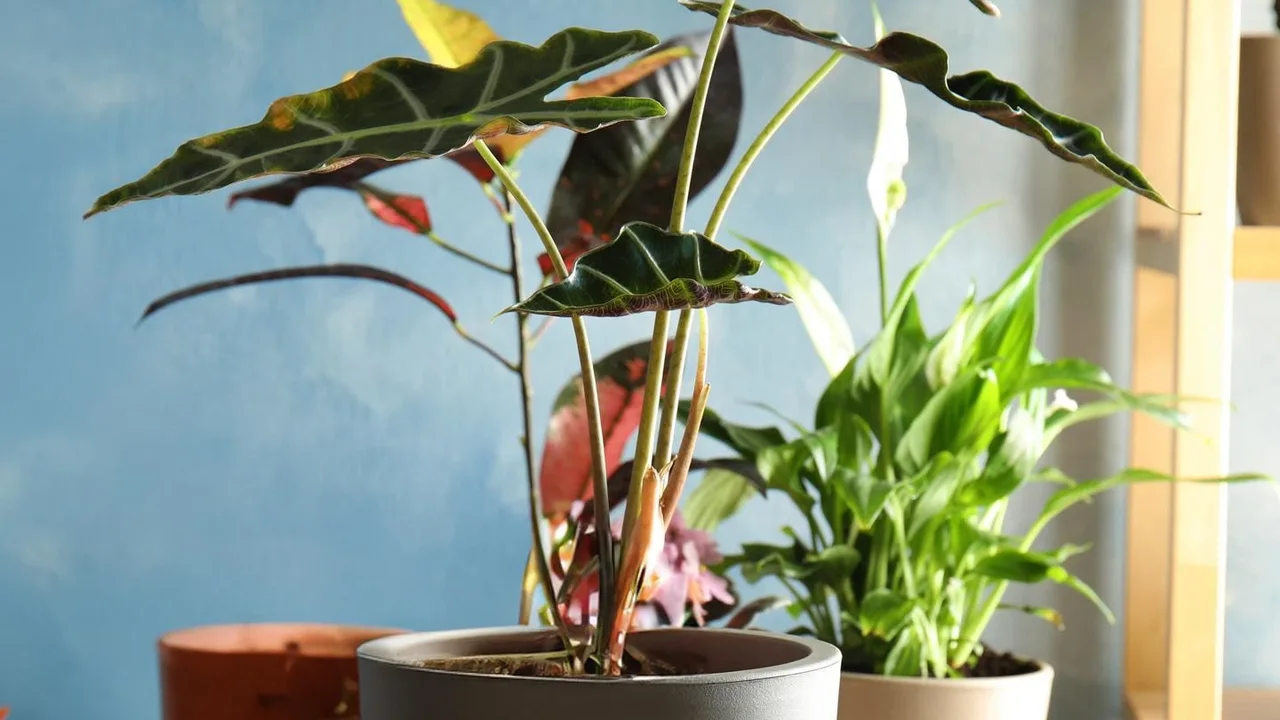
The Peace Lily (Spathiphyllum) offers lush green leaves and, with enough indirect light, elegant white flowers. It's a standout for its air-purifying capabilities, known for effectively removing common toxins like ammonia and benzene from the air. What makes the Peace Lily particularly beginner-friendly is its 'dramatic' nature; it droops noticeably when it's thirsty, taking all the guesswork out of watering. A quick drink and it perks right back up. It prefers consistently moist soil and does well in medium to low light.
The Prolific Spider Plant
The Spider Plant (Chlorophytum comosum) is a cheerful and easy-to-care-for option with arching leaves that create a fountain-like effect. It's highly adaptable and forgiving, making it another great pick for novices. Spider plants are also known for being fantastic air purifiers. The best part for new plant parents is that they are incredibly easy to propagate. They produce little 'pups' or 'spiderettes' that hang down from the mother plant, which can be snipped off and planted to create new plants for free.