




Why Good Labels Matter More Than You Think
A freezer should be a tool for saving time and money, not a chilly graveyard for unidentifiable food. Without proper labels, you're more likely to let good food succumb to freezer burn or simply throw it out from uncertainty. This leads to significant
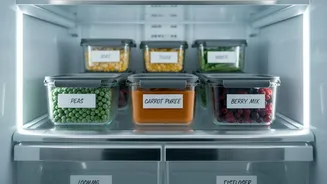
food and budget waste. A clear labeling system transforms your freezer from a chaotic junk drawer into an efficient, first-in, first-out (FIFO) library of meals. It ensures you eat what you store, preserves food quality by tracking age, and makes meal planning a breeze by letting you see your inventory at a glance. Taking a few extra seconds to label properly is one of the single best investments you can make in your kitchen routine.
The Three Pillars of a Perfect Freezer Label
The perfect freezer label provides crucial information at a glance. While you can add more detail, these three elements are non-negotiable for an effective system: 1. Dish Name: Be specific. "Chilli" is good, but "Spicy Beef and Bean Chilli" is better. If you have family members with different preferences, you'll know exactly which version you're grabbing. This simple specificity prevents disappointment when you were hoping for one thing and defrosted another. 2. Date Frozen: This is arguably the most important piece of information for food quality and safety. Always record the date you put the item into the freezer. This allows you to follow the FIFO method—First-In, First-Out—ensuring you use up older items before they degrade in quality. Without a date, you're just guessing how long that package has been in there. 3. Portion Size: This detail is a game-changer for convenience. Note whether the container holds a single serving, a family-sized portion, or a specific quantity like "4 servings" or "1 litre". Knowing the portion size helps you pull out exactly what you need for a meal, preventing the waste of defrosting too much food or the frustration of not having enough.
Choosing the Right Tools for the Job
Your system is only as good as the tools you use. Regular labels and pens often fail in the cold and moist environment of a freezer. The adhesive can become brittle and peel off, and ink can smudge or fade. For best results, invest in freezer-specific supplies. Masking tape and a permanent marker are the classic, budget-friendly choice. For reusable containers, consider dedicated freezer labels that are designed to stick in the cold but can be removed without leaving a sticky residue. A more modern solution is dissolvable labels, which stick firmly when frozen but wash away completely in water, leaving no mess. Whatever you choose, the key is to apply the label to a clean, dry, room-temperature container before filling and freezing for the best adhesion.
Creating a System That Sticks
The secret to long-term freezer organization is consistency. Make labeling a non-negotiable part of the food storage process. To make it even easier, keep your labeling supplies right by the freezer. Consider creating a simple color-coding system to identify categories quickly; for example, red for meat, green for vegetables, and blue for seafood or baked goods. This visual cue allows you to find what you need without having to read every single label. For chest freezers, using labeled bins or bags to create zones for different food categories can be a lifesaver, transforming a deep cavern into a structured system. The goal is to create a process so simple and effective that you'll actually follow it every time.
Advanced Labeling for the Super-Organized
Once you've mastered the basics, you can add more useful information to your labels. Including reheating instructions ("Reheat at 180°C for 20 mins" or "Thaw overnight before microwaving") can be incredibly helpful for other members of your household or for your future self on a busy weeknight. If you're cooking for people with allergies, noting key ingredients is a crucial safety measure. Some dedicated meal preppers even use QR codes on their labels that link to a full recipe and nutritional information. For a lower-tech but equally effective method, you can keep a simple inventory list on a whiteboard attached to the freezer door, updating it as you add and remove items.