

Understanding the Celestial Spectacle
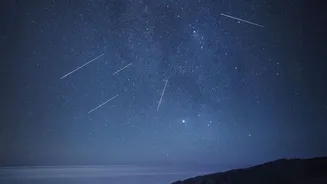
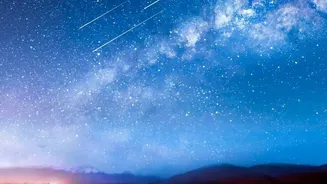
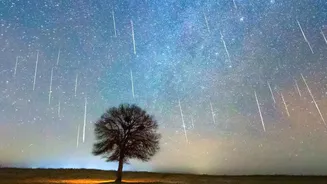
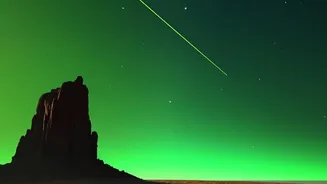
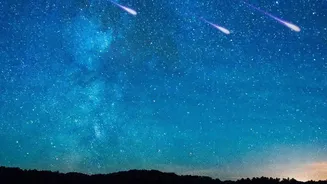
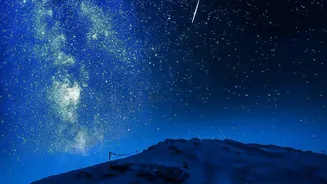
Meteor showers are the beautiful result of Earth passing through cosmic dust trails left by comets or asteroids. As these tiny particles, often no bigger than a grain of sand, enter our atmosphere at high speeds, they burn up and create the fleeting streaks
of light we call 'shooting stars'. The Perseids, which come from Comet Swift-Tuttle, are famous for their bright and plentiful meteors. The Orionids are linked to one of the most famous comets of all, Halley's Comet, and are known for their fast-moving streaks. Both showers provide a reliable and mesmerising display year after year, best enjoyed with the naked eye.
Mark Your Cosmic Calendar for 2026
Timing is everything in stargazing. The Perseid meteor shower peaks annually in mid-August. In 2026, the peak was on the night of August 12-13, under ideal dark-sky conditions thanks to a new moon. If you missed it, don't worry—the next major event is the Orionid meteor shower, which is active from early October to early November. The Orionids will peak on the night of October 21-22, 2026. This year also promises excellent viewing for the Orionids with a new moon just days before the peak, ensuring minimal light interference.
Why You Must Escape the City Glow
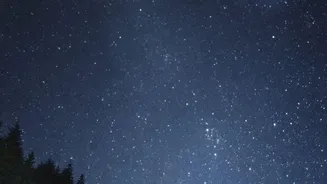
The single biggest obstacle to enjoying a meteor shower is light pollution. The bright, hazy skies over metropolitan areas can wash out all but the very brightest meteors, reducing a potential cosmic downpour to a mere sprinkle. To truly witness the spectacle, you need to find a location far from city lights. Non-metro cities, remote villages, and designated dark-sky parks offer the darkness needed for your eyes to adapt and catch the fainter, more numerous meteors. The difference is not subtle; travelling even an hour away from a major city can dramatically increase the number of shooting stars you'll see.
India's Prime Stargazing Havens
India is blessed with diverse landscapes that offer pristine night skies. For the Perseids in August, the main challenge is the monsoon. Dry, high-altitude regions like Spiti Valley in Himachal Pradesh and Hanle in Ladakh are exceptional choices, as they often remain clear of clouds. For the Orionids in October and other showers, consider the Rann of Kutch in Gujarat, where the vast salt desert provides an unobstructed horizon. The desert landscapes around Jaisalmer in Rajasthan are also a fantastic option, with many desert camps offering stargazing opportunities. In the south, the hills of Coorg in Karnataka and remote spots in the Andaman Islands provide darker skies away from dense urban centres.
Your Stargazing Toolkit and Tips
You don't need a telescope to watch a meteor shower; your eyes are the best tools for the job. The key is comfort and patience. Find a safe spot and lie down on a blanket or reclining chair to get a wide view of the sky without straining your neck. Give your eyes at least 20-30 minutes to fully adjust to the darkness—and avoid looking at your phone screen, as its bright light will ruin your night vision. Dress in warm layers, as even summer nights can get chilly when you're sitting still. Bring some snacks and a warm drink, then simply lie back, look up, and wait for the show to begin.