

The Allure of a Monsoon Escape
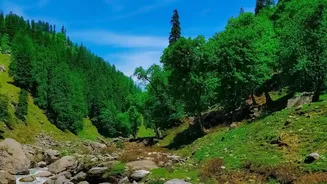
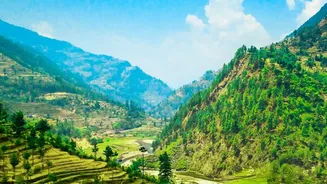
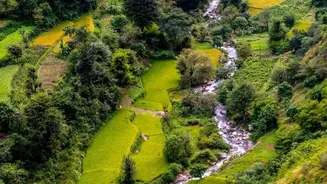
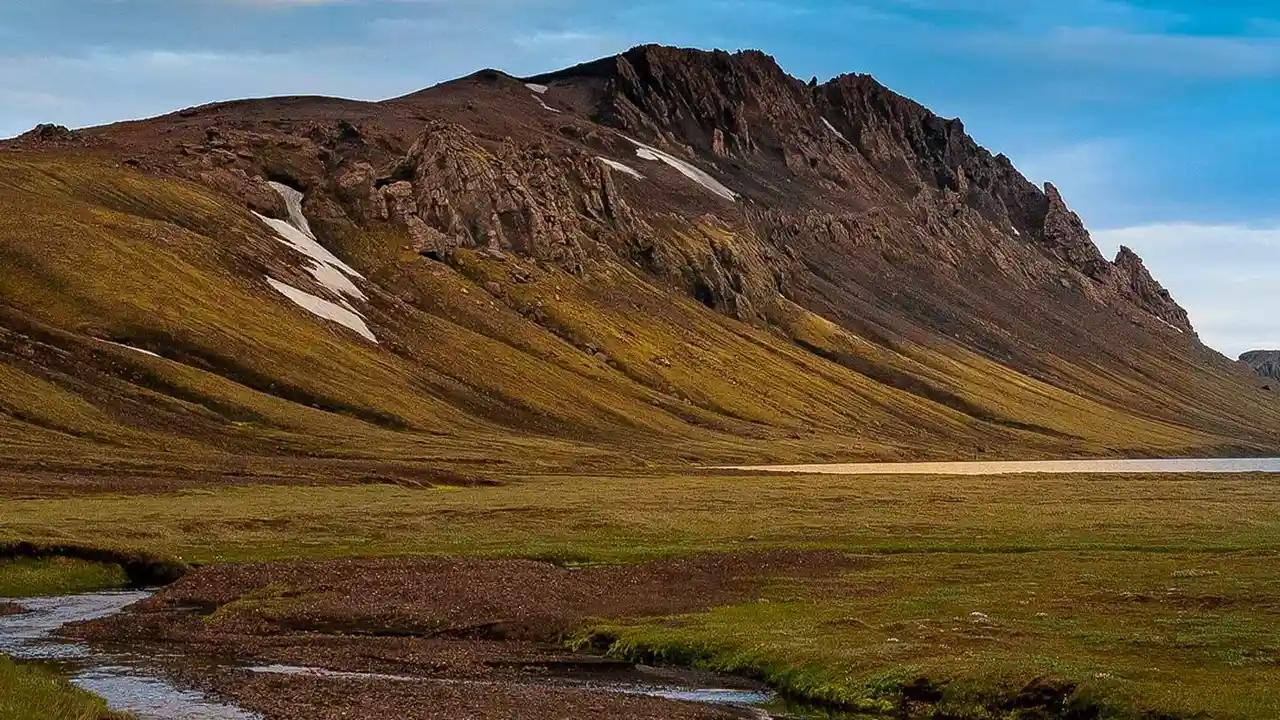
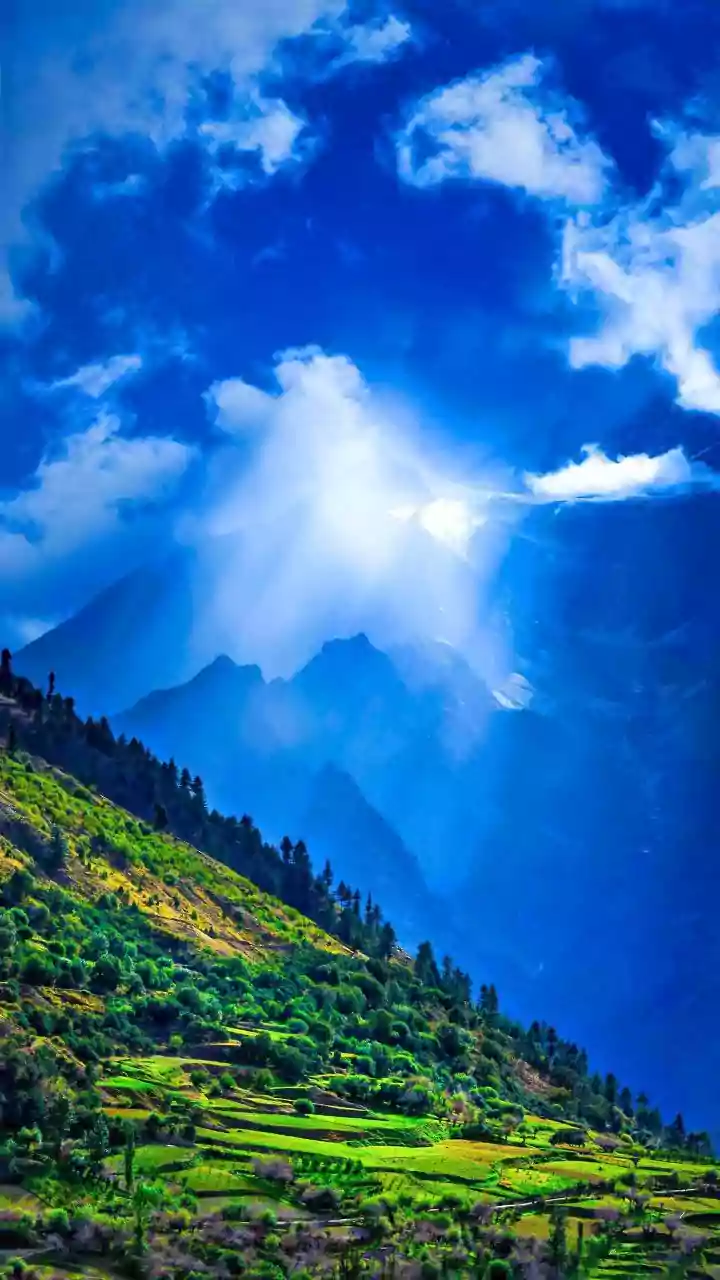
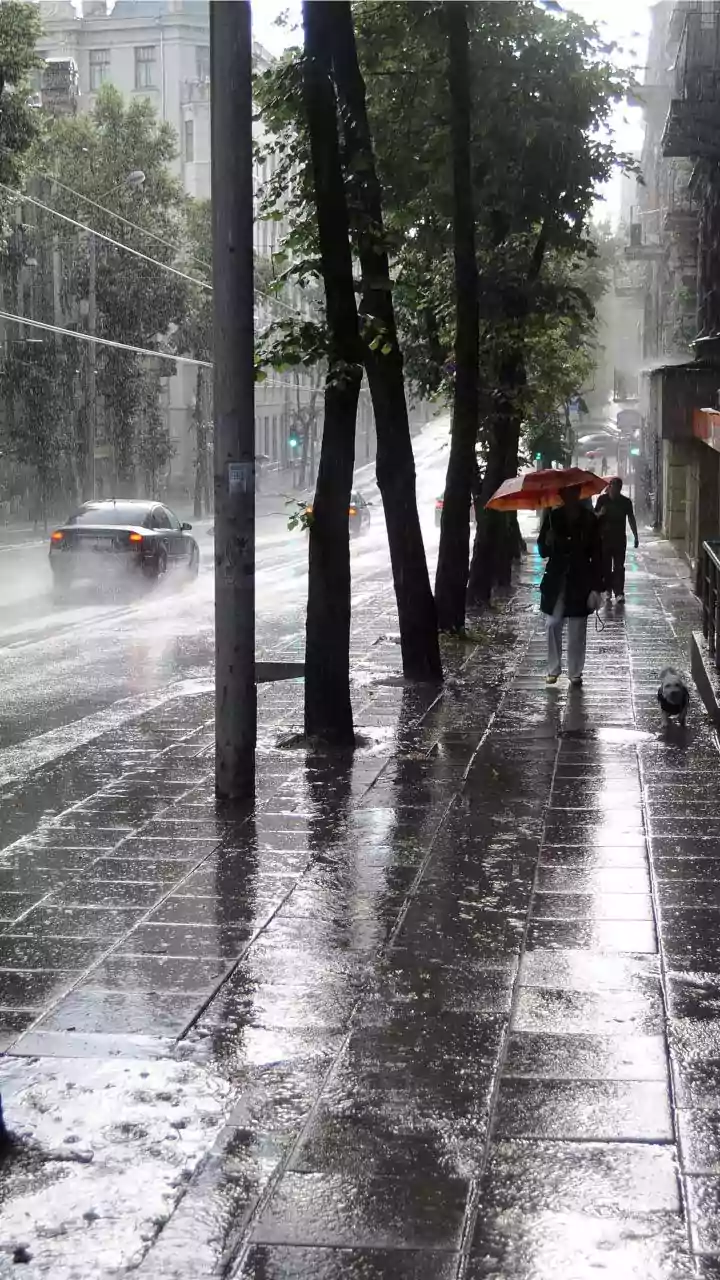
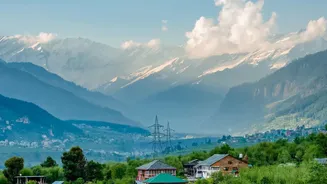
While many travellers avoid the hills during the rainy season, the monsoon actually unlocks a different, more profound beauty in places like Tirthan and Shoja. The months from July to September transform the landscape into a verdant paradise. The usual
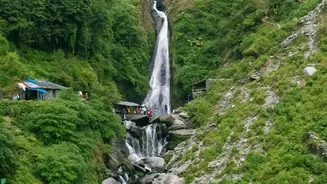
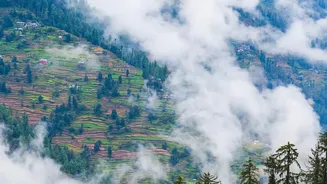
tourist rush thins out, leaving behind a tranquil atmosphere perfect for those seeking solitude. Waterfalls, fed by the constant rain, become spectacular sights, and the rivers flow with renewed energy. The air smells of wet earth, pine, and woodsmoke, and the valleys are often filled with a cinematic fog, creating a dreamlike setting that feels a world away from city life. It's a season that rewards travellers who aren’t chasing a checklist but a feeling of peace.
Tirthan Valley: A Riverside Serenade
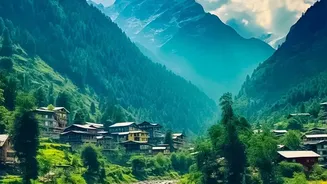
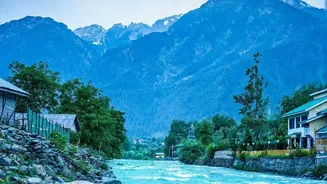
Tirthan Valley, named after the pristine river that flows through it, is a sanctuary for nature lovers. As a gateway to the Great Himalayan National Park (GHNP), a UNESCO World Heritage Site, the valley is a haven of biodiversity. During the monsoon, the river swells and the surrounding forests are at their greenest. While heavy treks inside the park's core zone are often discouraged due to slippery trails, the eco-zone offers numerous gentle hikes. You can take a beautiful walk from Gushaini village to the park's gate, explore hidden waterfalls like Chhoie Waterfall, or simply relax by the river in a local homestay. The valley is also renowned for its trout fishing, though this is often suspended during peak rains.
Shoja: A Hamlet Above the Clouds
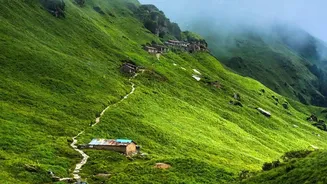
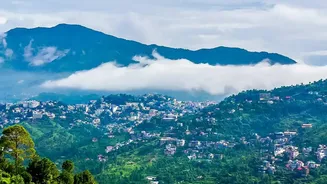
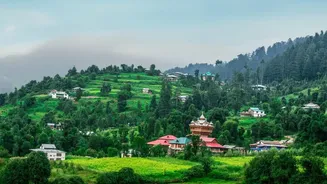
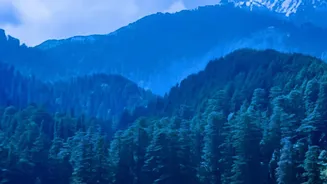
A short, winding drive up from the Tirthan Valley area lies Shoja, a quiet village that feels even more secluded. At a higher altitude, Shoja offers a different perspective, with dense deodar forests and panoramic views that on a clear day, stretch across the ranges. During the monsoon, the village is frequently enveloped in mist, creating an intensely atmospheric and quiet experience. Shoja is the perfect base for visiting the nearby Jalori Pass. While the pass itself is a stunning viewpoint, the monsoon makes the trek to Serolsar Lake from there a lush, albeit slippery, adventure. The appeal of Shoja lies in its slowness; days here are for forest walks, enjoying home-cooked meals, and watching the clouds drift by.
Embracing Green and Responsible Travel
The quiet beauty of Tirthan and Shoja is preserved by a community that values eco-tourism. To travel green here means to travel thoughtfully. Opt for homestays over commercial hotels; this directly supports the local economy and offers a more authentic cultural experience. Many hosts offer delicious, home-cooked Himachali meals made from organic produce grown in their own gardens. Be mindful of your impact: carry a reusable water bottle to minimise plastic waste, respect local customs, and avoid littering on trails. Hiring a local guide for treks not only ensures your safety but also provides valuable income for the community and enriches your understanding of the region's unique ecology.
Planning Your Monsoon Journey
Reaching Tirthan Valley and Shoja typically involves an overnight bus from Delhi or Chandigarh to Aut, from where you can hire a taxi. While road conditions during the monsoon require careful and slower driving, the routes generally remain open, though it's crucial to check for weather updates and potential landslide warnings before you travel. Pack wisely: a reliable waterproof jacket, quick-dry clothing, and sturdy trekking shoes with good grip are essential. It’s also a good idea to carry a power bank, as electricity can be intermittent, and enough cash, as ATM access is limited. Because these destinations are gaining popularity for their quiet charm, booking your accommodation in advance is recommended, especially for weekend trips.