








More Than Just Adrenaline
For decades, the idea of a college trip revolved around budget-friendly fun and creating lifelong memories. River rafting, especially in hotspots like Rishikesh, has always been a rite of passage. But a significant shift is underway. Today’s students,
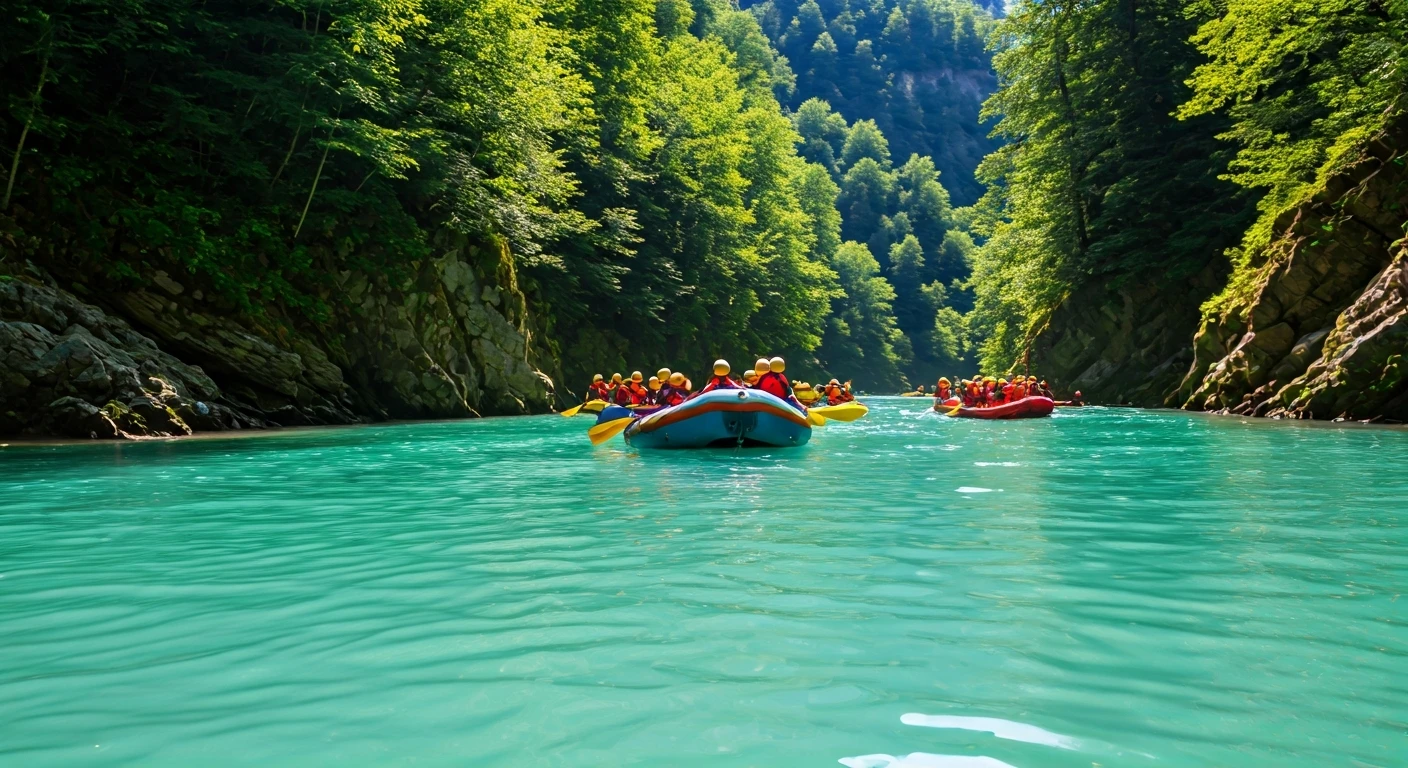
part of a globally conscious Gen Z, are asking for more than just a good time; they're asking what impact their good time has on the environment. This has sparked a surge in demand for 'sustainable' or 'eco-friendly' rafting packages. Travel operators are reporting that when given the choice, a growing majority of student groups are opting for packages that promise minimal environmental impact, community engagement, and a deeper connection to nature. It’s a trend that’s reshaping the adventure travel industry from the ground up.
What 'Sustainable Rafting' Actually Means
The term 'sustainable' can feel vague, but in the context of river rafting, it has very specific meanings. It’s a holistic approach that goes far beyond simply not littering. True sustainable operators focus on several key pillars. First is rigorous waste management, ensuring that everything brought to the river—from food packaging to equipment—is brought back and disposed of responsibly. Second is community involvement. This means hiring local guides and staff, sourcing food from local vendors, and ensuring that a portion of the profits directly benefits the host community. It often includes an educational component, where guides teach rafters about the local ecosystem, the importance of the river, and the challenges it faces. Finally, it involves respecting wildlife and the natural flow of the river, adhering to designated routes and schedules to minimise disruption to the local habitat.
India's Eco-Adventure Hotspots
While Rishikesh on the Ganga remains the epicentre of river rafting in India, it is also ground zero for this sustainable movement. Many established and new operators there are now leading the charge with certified eco-friendly practices. But the trend is spreading. In Ladakh, rafting expeditions on the Zanskar and Indus rivers are increasingly incorporating principles of low-impact tourism, crucial in such a fragile high-altitude desert ecosystem. In Sikkim, navigating the roaring Teesta River now often comes with homestay options and community-led tourism initiatives, giving students a richer cultural experience. Even in the south, rafting on the Dandeli river in Karnataka is seeing operators who are combining the adventure with conservation awareness programs focused on the surrounding forests and hornbill habitats.
How to Choose a Genuinely Green Operator
With sustainability becoming a popular buzzword, it’s important to know how to spot a genuinely responsible operator from one that’s just 'greenwashing'. Before booking your trip, ask some direct questions. A good operator will be happy to answer them. - What is your waste management policy? Ask them for specifics on how they handle trash on and off the river. - Are your guides locally hired and trained? Supporting local employment is a cornerstone of sustainable tourism. - How do you support the local community? Do they contribute to a local school, a conservation project, or a village fund? - What is your group size limit? Smaller groups typically have a lower environmental impact. - Are you certified by any recognised eco-tourism bodies? While not always mandatory, certifications from organisations like the Adventure Tour Operators Association of India (ATOAI) can be a good sign. An operator who can provide clear, confident answers to these questions is likely committed to responsible practices.