




1. The Rise of the Eco-Conscious Escape
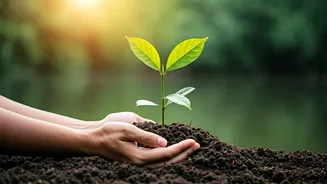
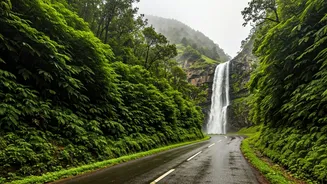
The classic monsoon trip to a hill station is getting a green makeover. Today’s young travellers are increasingly aware of their carbon footprint, and they’re putting their money where their values are. This means choosing destinations and accommodations
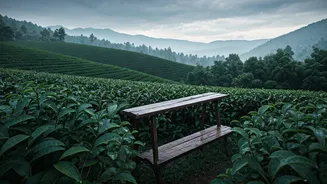
that prioritise sustainability. Think less about ticking off a tourist spot and more about contributing to its preservation. This could involve staying at a family-run farm stay in the rain-drenched Western Ghats, where you can learn about organic farming, or choosing a resort in Kerala that runs on solar power and practices rainwater harvesting. The 'meaning' here comes from knowing your holiday isn't harming the beautiful environment you’ve come to admire. It’s about leaving a place better, or at least no worse, than you found it.
2. Diving Deep into Cultural Immersion
Why just see a place when you can truly experience it? This question is driving a significant shift away from whirlwind tours towards slower, more immersive travel. During the monsoon, when the tourist crowds thin out, the opportunity for genuine connection deepens. Young travellers are using this time to sign up for workshops that teach traditional arts, like block-printing in a quiet village near Jaipur or learning to cook regional Malnad cuisine in Karnataka. They are exploring the ancient temple trails of Tamil Nadu or spending time in the serene monasteries of Sikkim, not as a photo-op, but as a chance to understand a different way of life. This search for authenticity is a reaction against the curated, picture-perfect world of social media, favouring real conversations and learned skills over a fleeting Instagram story.
3. The Wellness and Digital Detox Retreat
In our hyper-connected, always-on world, the greatest luxury is often the permission to switch off. The monsoon, with its introspective and calming atmosphere, provides the perfect backdrop for a wellness-focused journey. This goes beyond a simple spa day. Young professionals and students are seeking out structured retreats that promise a hard reset for the mind and body. This could be a week-long silent Vipassana meditation course, a rigorous Ashtanga yoga retreat in Rishikesh or Mysuru, or a holistic Ayurvedic wellness program in the lush hills of Goa. The goal is to return not just rested, but renewed. The 'meaning' is deeply personal—it's about investing in mental health, building resilience, and finding clarity away from the noise of daily life.
4. The 'Voluntourism' Vacation
For a growing number, a vacation is an opportunity to give back. 'Voluntourism' combines travel with volunteering, and it's finding a strong footing among young Indians who want their trips to have a direct, positive impact. These aren't grand, saviour-like missions, but small, tangible contributions. Monsoon projects are particularly popular. This could mean spending a week participating in reforestation drives in the Aravallis, helping with trail maintenance on Himalayan treks, or volunteering at an animal rescue shelter in a city like Pune or Bengaluru. The appeal is twofold: it allows travellers to engage with a destination on a much deeper level and provides a powerful sense of accomplishment that a purely leisure-focused trip might not offer. It’s about being part of a community, even if just for a short while, and contributing to a cause you believe in.