

The Humidity Problem
Training in high humidity is uniquely challenging. When the air is already saturated with moisture, your sweat doesn't evaporate effectively. Evaporation is the body's primary cooling mechanism; as sweat leaves the skin, it takes heat with it. In humid conditions,
this process slows dramatically, causing your core body temperature to rise more quickly. This places immense strain on your cardiovascular system, as your heart has to work harder to pump blood to both your muscles and your skin in an effort to cool down. The result is feeling fatigued much faster, a higher perceived effort for the same workout, and a greater risk of heat-related issues like exhaustion and dehydration.
Why Electrolytes Are Key
When you sweat, you don't just lose water; you lose vital minerals called electrolytes. These include sodium, potassium, calcium, and magnesium. Electrolytes are essential for many bodily functions, including maintaining proper fluid balance, enabling muscle contractions (including your heartbeat), and supporting nerve function. An imbalance can lead to symptoms like muscle cramps, dizziness, fatigue, and headaches. While many people focus on drinking water, replacing lost electrolytes is just as crucial, especially during intense exercise in the heat when sweat loss is high. Replenishing with water alone can sometimes dilute the remaining electrolytes in your system, which can be counterproductive.
Coconut Water: A Natural Powerhouse
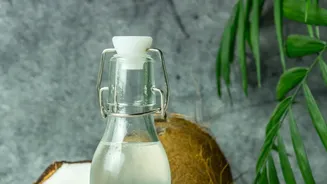
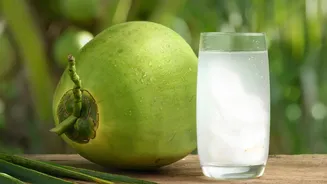
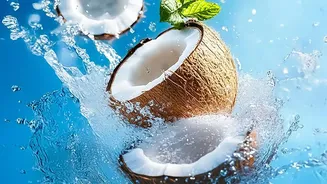
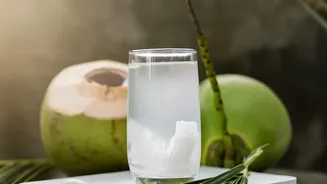
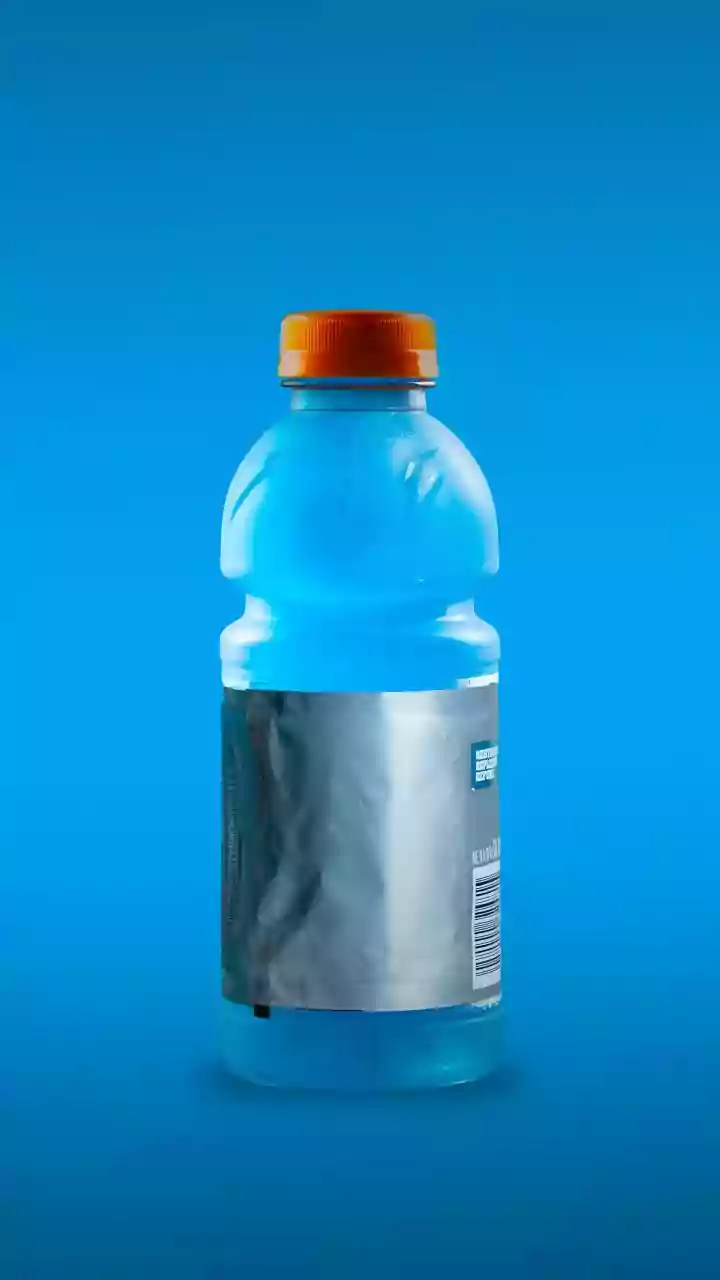
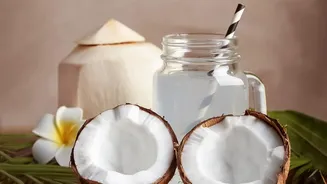
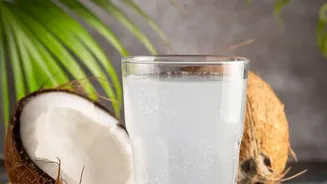
This is where coconut water, a familiar and refreshing drink across India, enters the picture. Often called 'nature's sports drink', fresh coconut water is naturally rich in electrolytes. Its standout feature is its high potassium content, which is crucial for heart function and preventing muscle cramps. It also contains other beneficial minerals like magnesium and calcium. Studies have shown that coconut water can be as effective as commercial sports drinks for rehydration after moderate exercise. It provides natural sugars for energy and has the added benefit of being gentler on the stomach for some people compared to traditional sports drinks.
The Missing Piece: Salt
While coconut water is a potassium star, it is naturally low in sodium. This is significant because sodium is the primary electrolyte lost in sweat—in much greater quantities than potassium. For intense or prolonged workouts in the humidity, where you are sweating profusely, replenishing this lost sodium is critical for maintaining fluid balance and preventing a drop in performance. This is why the simple act of adding a pinch of salt (sodium chloride) to your coconut water is so effective. It transforms a good hydration drink into a great one by creating a more complete electrolyte profile that more closely matches what your body is losing.
Your Simple DIY Electrolyte Drink
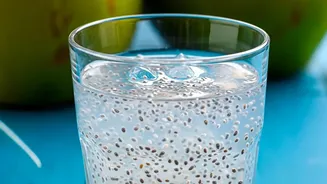
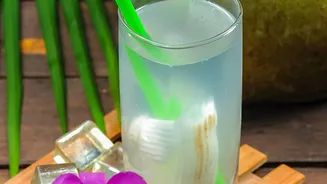
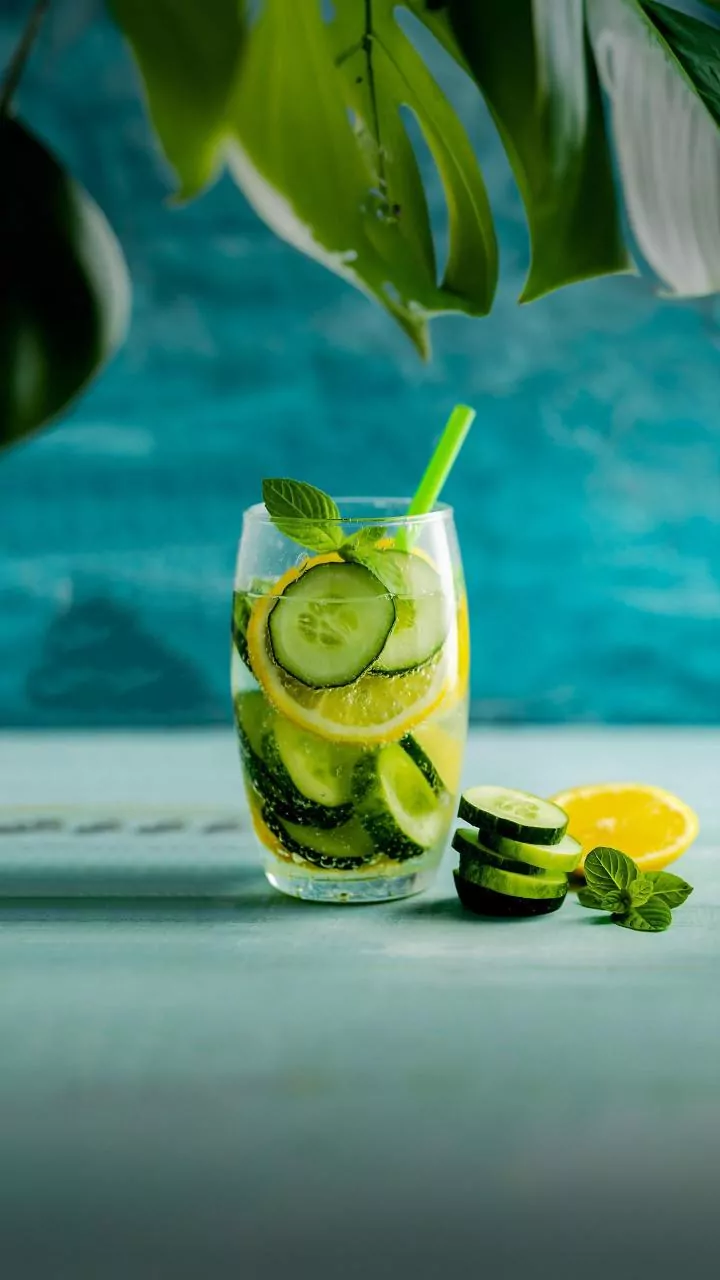
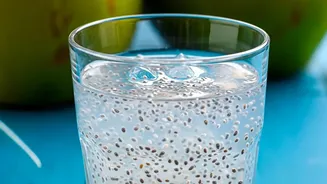
Creating your own powerful and natural electrolyte drink is incredibly simple and cost-effective. You don't need expensive powders or pre-packaged drinks. For a basic, highly effective mix, you only need two core ingredients. Start with about 250-300 ml of fresh, unsweetened coconut water. Add a small pinch—about 1/8th of a teaspoon—of regular table salt or sea salt and stir until it dissolves. For added flavour and a bit of extra vitamin C, you can squeeze in the juice of half a lime. If you're engaging in a particularly long or strenuous session, a teaspoon of honey can provide some easily digestible carbohydrates for a quick energy boost.
When and How to Hydrate
Timing your hydration is just as important as what you drink. To ensure you start your workout on the right foot, begin hydrating a couple of hours before you head out. During your humid training session, don't wait until you feel thirsty, as thirst is an early sign of dehydration. Aim to take small, regular sips of your coconut water and salt drink every 15-20 minutes. After your workout is complete, continue to rehydrate to replace all the fluids and electrolytes you've lost. One effective method is to weigh yourself before and after your session to get a clear idea of your fluid loss and replenish accordingly.