



Why Fibre Is Your Best Friend
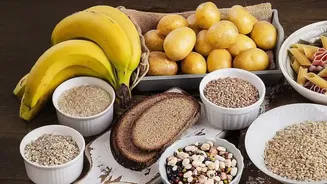
Dietary fibre is a type of carbohydrate that the body cannot digest. It plays a crucial role in maintaining good health. Experts recommend that adults consume about 25 to 30 grams of fibre daily. A high-fibre diet aids digestion and prevents constipation
by adding bulk to stool. It also helps manage blood sugar levels by slowing down sugar absorption, which is particularly important in a country with rising rates of diabetes. Furthermore, it can contribute to a healthy weight by making you feel fuller for longer and may lower the risk of heart disease by helping reduce cholesterol levels. Despite these benefits, many urban Indian diets fall short of the recommended intake, often due to a reliance on refined grains.
The Power of Pulses
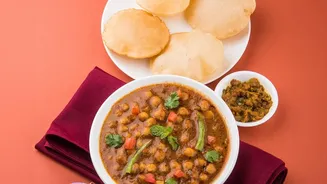
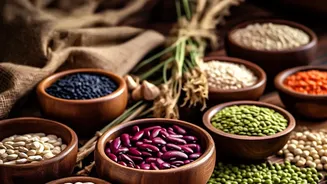
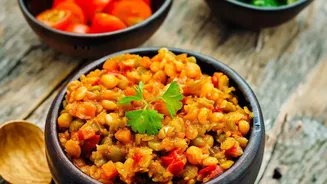
Dals and legumes are the foundation of a high-fibre Indian diet. Lentils like chana dal, masoor dal, and whole moong are excellent sources. A single 100g serving of raw rajma (kidney beans) or kabuli chana (chickpeas) can pack over 12 grams of fibre. Pulses provide both soluble and insoluble fibre, which work together to support gut health, regulate blood sugar, and promote satiety. The simple act of having a bowl of dal with both lunch and dinner significantly boosts your daily fibre intake. To maximise benefits, it's best to cook them well and avoid straining the cooking liquid, as some soluble fibre dissolves into the water.
Embrace Wholesome Grains
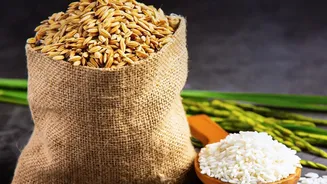
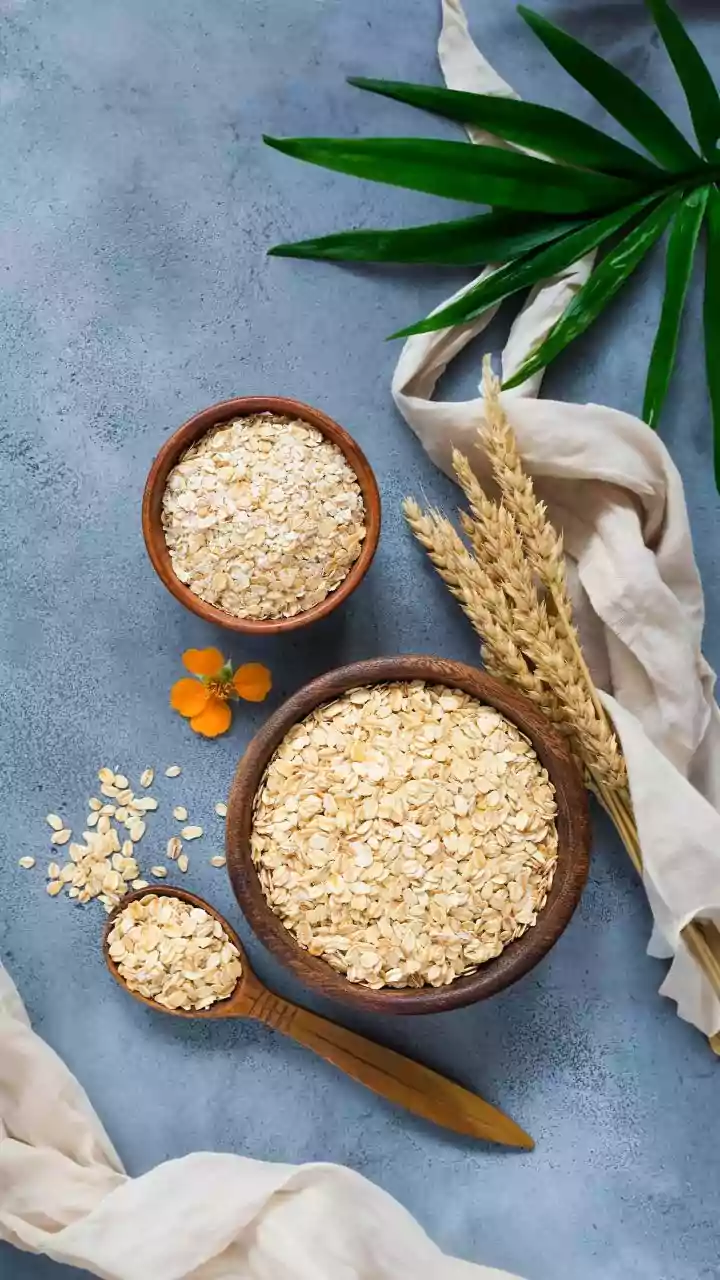
The grains that form the centrepiece of our meals offer a massive opportunity to increase fibre. Swapping refined white rice and maida-based products for whole grains is one of the most effective changes you can make. Whole wheat atta, used for making rotis, retains the bran, which is rich in fibre. Just two whole wheat rotis can provide a significant portion of your daily needs. Millets like jowar (sorghum), bajra (pearl millet), and ragi (finger millet) are traditional grains that are naturally high in fibre and other nutrients. Even starting with a mix of brown and white rice, or adding millet flour to your regular roti atta, can make a noticeable difference.
The Colourful Vegetable Basket
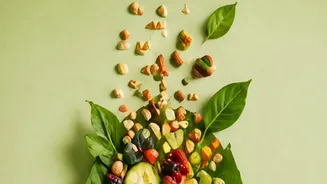
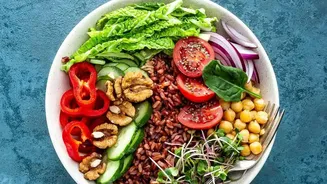
Vegetables are not just sources of vitamins and minerals; they are also packed with fibre. Including a generous portion of 'sabzi' or a salad with every meal is a simple strategy. Common vegetables like bhindi (okra), spinach, sweet potatoes, carrots, and cauliflower are all great choices. For instance, a 100g serving of bhindi provides around 3g of fibre. Whenever possible, it is a good idea to consume vegetables with their edible skins, as a significant amount of fibre is often located there. Adding grated carrots or cabbage to stuffed parathas is another clever way to increase fibre without drastically changing the taste.
Fibre-Filled Fruits for Snacking
Fruits are a delicious and convenient way to get more fibre. Instead of reaching for processed snacks, consider a piece of whole fruit. Guava stands out as one of the highest-fibre fruits commonly available in India, with a medium-sized one providing a substantial amount. Apples (with the skin), pears, bananas, and papayas are also excellent fibre-rich options that are available year-round. It is far better to eat the whole fruit rather than drinking its juice, as the juicing process removes almost all of the beneficial fibre.