





The Challenge of Combination Skin in High Humidity
Combination skin is defined by having both oily and dry or normal areas. Typically, the forehead, nose, and chin (the T-zone) are oily, while the cheeks and jawline are drier. During the rainy season, humidity levels in the air skyrocket. This excess
moisture can signal your sebaceous glands to produce even more oil, especially in the already-oily T-zone. This can lead to a shinier complexion, clogged pores, and an increased risk of breakouts. At the same time, the drier parts of your face still require hydration to maintain the skin's protective barrier. Using products that are too harsh can strip these areas, while heavy creams can overwhelm the oily parts, making balance a delicate act.
Switch to a Gentle, Foaming Cleanser
During humid months, sweat, excess oil, and environmental pollutants can accumulate on the skin. It’s crucial to cleanse thoroughly, but without stripping the skin of its natural moisture. Swap heavy, creamy cleansers for a gentle, pH-balanced foaming or gel-based face wash. Look for ingredients like green tea, tea tree oil, or a mild salicylic acid to help manage oil and prevent breakouts without causing dryness. It’s best to wash your face no more than twice a day; overwashing can backfire by causing your skin to produce even more oil to compensate.
Embrace Lightweight, Water-Based Hydration
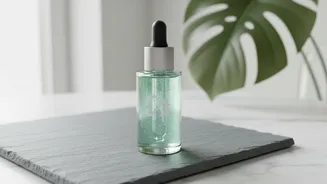
One of the biggest mistakes people make in humid weather is skipping moisturiser. When your skin is dehydrated, it can produce more oil, exacerbating the problem. The solution isn't to skip this step, but to switch your product. Put away heavy creams and opt for a lightweight, oil-free, non-comedogenic moisturiser. Gel or gel-cream formulas are perfect for the rainy season as they provide necessary hydration without feeling greasy or clogging pores. Look for ingredients like hyaluronic acid, which draws moisture from the humid air into your skin, and niacinamide, which helps regulate oil production and calm inflammation.
Use a Clay Mask Strategically
A weekly clay mask can be a game-changer for managing an oily T-zone during the monsoon. Clay masks, such as those with charcoal, are excellent for drawing out impurities, absorbing excess oil, and deep-cleaning pores. However, since you have combination skin, you may not need to apply it all over your face. Try "multi-masking": apply a clay mask just to your forehead, nose, and chin. For the drier cheek areas, you can either leave them bare or apply a hydrating mask simultaneously to give each part of your face the specific treatment it needs.
Don’t Skip Sunscreen on Cloudy Days
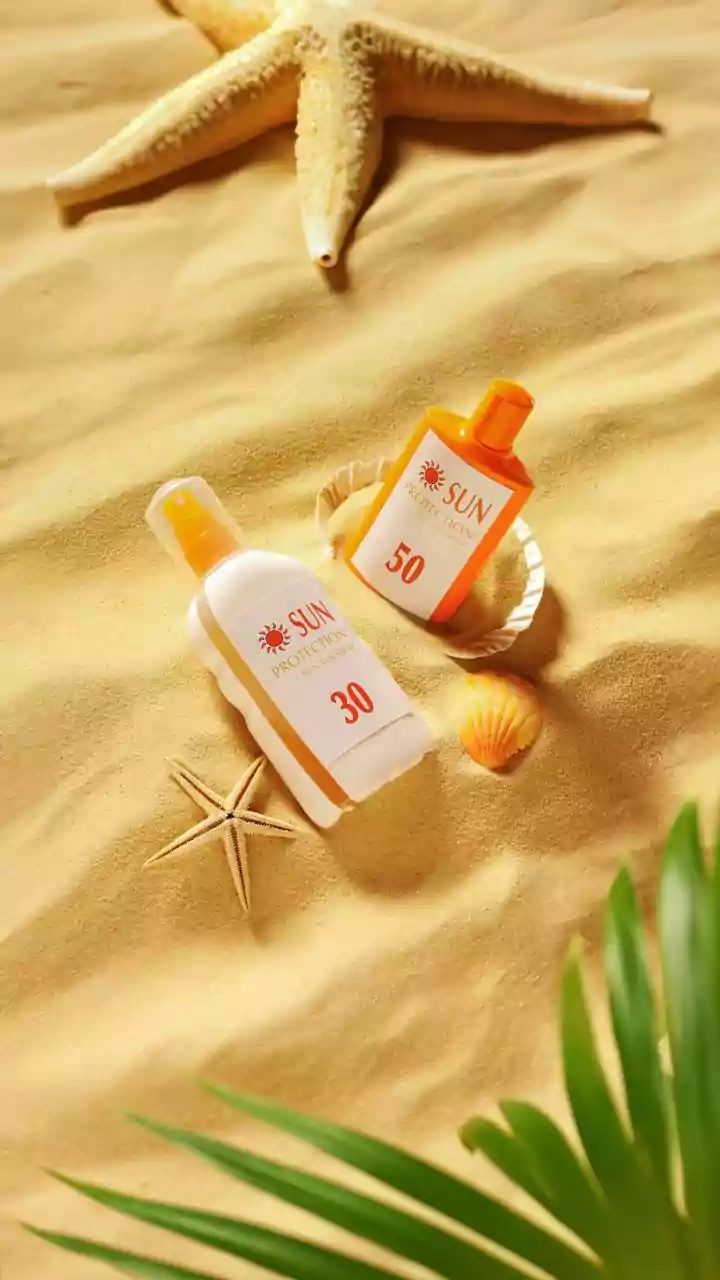
It’s a common myth that you don’t need sunscreen when it’s cloudy or raining. In reality, up to 80% of the sun’s harmful UV rays can penetrate through clouds. For combination skin, the thought of adding another layer can be daunting, but modern formulas are designed to be weightless. Look for a broad-spectrum sunscreen with at least SPF 30 that is labelled "non-comedogenic" and "oil-free". Gel, fluid, or serum sunscreens are excellent choices as they provide protection without a greasy feel or clogging pores. Some even offer a matte finish, which can help control shine throughout the day.
Incorporate Gentle Exfoliation
With the increased sweat and oil, dead skin cells are more likely to get trapped and clog pores, leading to blackheads and breakouts. Gentle exfoliation is key to keeping your skin clear. Instead of harsh physical scrubs, which can irritate the skin, consider a chemical exfoliant with ingredients like salicylic acid (a BHA) or lactic acid (an AHA). Salicylic acid is particularly good for combination skin as it's oil-soluble and can penetrate into the pores to clear out congestion. Limit exfoliation to two or three times a week to avoid compromising your skin’s protective barrier.