




From Lifting Big to Living Better
For many, the term 'strength training' conjures images of powerlifters hoisting enormous weights or bodybuilders sculpting isolated muscles. This competitive mindset, focused on numbers and aesthetics, can be motivating for some but alienating for many others.
An alternative approach is gaining ground: functional or capability-focused training. This philosophy isn't about how much you can bench press, but about building strength that directly translates to everyday life. It’s about training movement patterns, not just muscles. Think about the physical tasks you perform daily: carrying heavy grocery bags, lifting a child, placing luggage in an overhead bin, or simply getting up from the floor with ease. Functional training prepares your body for these exact scenarios by mimicking them in a controlled environment, using multiple muscle groups and joints together, just as your body naturally does.
The Mental Rewards of a New Mindset
One of the most significant benefits of this shift is psychological. When you stop comparing your progress to others and focus on your own capabilities, exercise can become a source of empowerment rather than stress. This approach frees you from the pressure of constantly hitting new personal records or achieving a specific physique. Instead, the reward is feeling more competent and confident in your daily life. Regular exercise is proven to be a powerful tool for mental well-being, helping to reduce stress, anxiety, and symptoms of depression by releasing feel-good hormones like endorphins and serotonin. By focusing on what your body can do rather than just how it looks or performs against a benchmark, you cultivate a healthier relationship with fitness—one based on self-improvement and long-term sustainability, not external validation.
Building a Body That's Ready for Anything
The physical perks of capability-focused training are practical and profound. By strengthening muscles and movements in patterns that you use every day, you significantly lower your risk of injury. A strong core from carrying uneven loads and better balance from single-leg exercises means you're less likely to strain your back lifting a heavy pot or lose your footing on an uneven pavement. This type of training improves coordination, as different muscle groups learn to work together efficiently. It also enhances mobility and flexibility, keeping your joints healthy and preventing the stiffness that can come from more rigid, isolation-based workouts. For long-term health, building and maintaining muscle mass is crucial for supporting metabolism and ensuring independence as you age.
Your Functional Strength Toolkit
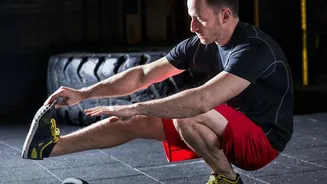
You don't need complex machines to train for capability. In fact, many functional exercises use free weights, resistance bands, or just your body weight. Key movements include: - Squats and Lunges: These are fundamental for lower body strength, mirroring actions like sitting, standing, and climbing stairs. - Deadlifts: A fantastic exercise for learning to lift heavy objects off the floor safely, engaging your entire posterior chain (back, glutes, hamstrings). - Loaded Carries: Simple yet highly effective, exercises like the Farmer's Walk (carrying a heavy weight in each hand) build grip strength, core stability, and endurance for tasks like carrying shopping or luggage. - Pushing and Pulling: Movements like push-ups and rows strengthen your upper body for actions like pushing a heavy door or pulling open a drawer. - Twisting and Rotating: Incorporating rotational movements with bands or medicine balls prepares your core for the twisting motions common in sports and daily life.