




From Guesswork to Guided Science
The beauty aisle can be an overwhelming place. With countless serums, creams, and cleansers all claiming to be the one-stop solution, consumers often find themselves in a cycle of buying and trying, hoping to land on the perfect routine. This traditional
approach relies more on guesswork and marketing than on individual needs. Now, technology is offering a more precise path. Artificial intelligence (AI) is revolutionising this space by shifting skincare from a mass-market guessing game to a deeply personal, data-driven science. By leveraging the power of a smartphone camera, AI-powered apps and websites can offer an in-depth skin analysis that was once only available in a high-end clinic.
How Your Selfie Becomes a Skin Report
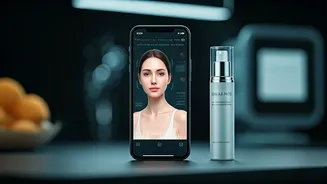
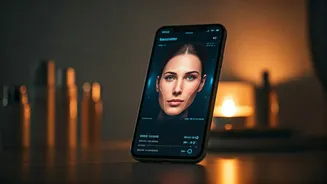
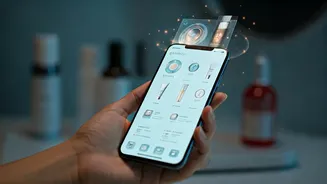
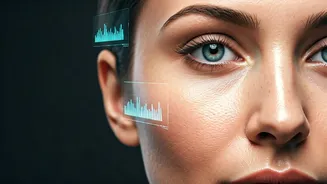
The process is surprisingly simple for the user. You start by taking a makeup-free selfie in good lighting. In the background, sophisticated AI gets to work. Using computer vision, the algorithm scans the photo, identifying and mapping key facial landmarks. It then analyses various skin parameters like pore size, wrinkle depth, hydration levels, pigmentation, and redness. This data is compared against a massive database of millions of other skin images, which has been used to train the machine learning model. Based on this analysis, the system generates a detailed report on your skin's condition and provides a list of recommended products or ingredients tailored to address your specific concerns. This approach is considered more objective than traditional skin-type questionnaires, which rely on a user's often inaccurate self-assessment.
The Promise of Perfect Personalisation
The primary benefit of AI-driven skincare is its hyper-personalisation. Instead of using a generic product for 'oily' or 'dry' skin, you get recommendations for formulations that target your unique combination of concerns, such as fine lines on your forehead and slight dehydration on your cheeks. This can lead to more effective routines and less money wasted on unsuitable products. Another significant advantage is the ability to track your skin's progress over time. By taking regular selfies, the app can create a data trail, showing you objectively whether a new routine is actually working. Some AI tools can even detect the early signs of issues like wrinkle formation before they become clearly visible to the naked eye, allowing for preventative action.
A Digital Diagnosis or a Dose of Scepticism?
While the technology is impressive, it's not a replacement for professional medical advice. Most board-certified dermatologists caution that these apps are cosmetic recommendation tools, not medical diagnostic devices. They are not meant to identify serious conditions like skin cancer, psoriasis, or cystic acne, which require a clinical diagnosis. There are also concerns about accuracy and bias. The quality of the selfie—affected by lighting, angle, and camera model—can significantly impact the results. Furthermore, many AI models have been trained on datasets that may not adequately represent diverse skin tones, potentially leading to less accurate analyses for people of colour. Privacy is another crucial consideration. Users are uploading sensitive facial images, which could be classified as biometric data. It is vital to read the terms and conditions to understand how your data is being stored and used.
The Future of Beauty in India
In India, the appetite for personalised and tech-driven beauty solutions is growing rapidly. With a vast diversity of skin types and environmental factors, AI offers a promising way to address unique local needs. Several startups are already active in this space, and major institutions like AIIMS are even collaborating with tech giants like Google to develop AI-powered dermatology apps to improve access to care in remote areas. As this technology becomes more integrated into e-commerce and brand websites, it's set to change not just how we choose our products, but the very way we understand and care for our skin. The future of skincare is smart, data-driven, and tailored just for you.