


The Rise of the Curve
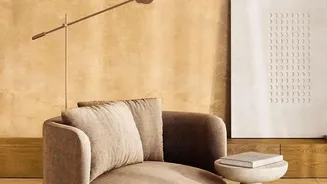
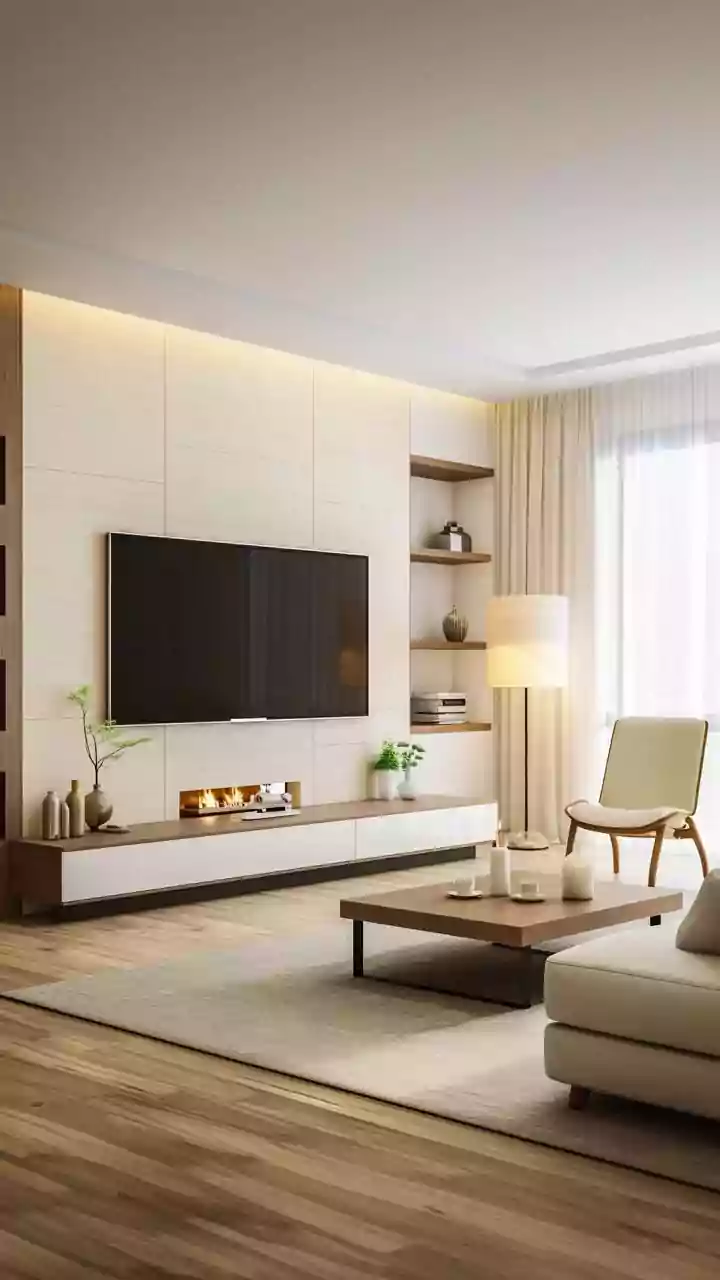
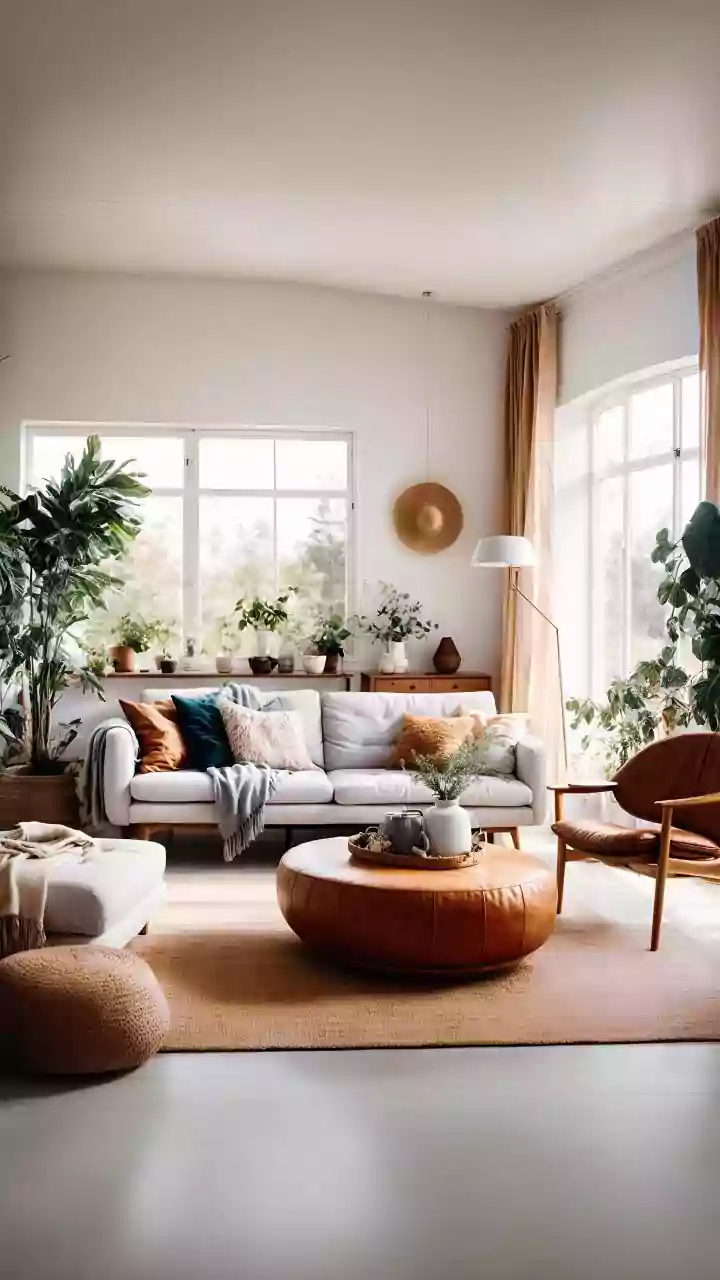
The most visible shift is in the silhouette of our furniture. Rigid, boxy sofas and sharp-cornered coffee tables are being replaced by pieces with inviting, rounded forms. Think cocooning curved sofas that encourage conversation, barrel-shaped armchairs
you can sink into, and oval or kidney-shaped tables that improve the flow of a room. This move away from hard geometry isn't just an aesthetic choice; it’s deeply psychological. Curves are inherently softer and more organic, subconsciously signalling safety and comfort. In a post-pandemic world where our homes have become our sanctuaries, this desire for furniture that feels enveloping and welcoming has become a priority.
A Return to Natural Materials
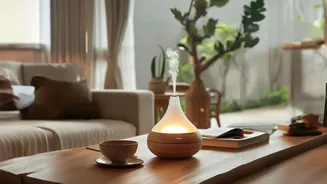
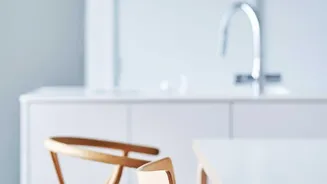
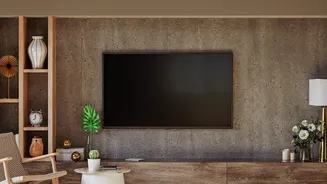
Complementing these softer shapes is a renewed appreciation for natural materials. The coldness of high-gloss synthetics is giving way to the warmth and texture of wood, cane, jute, and stone. Upholstery is becoming more tactile, with looped bouclé, soft velvets, and breathable linens and cottons taking centre stage. This trend is closely linked to the growing interest in biophilic design—the idea that connecting our indoor spaces with nature enhances our wellbeing. Using materials like teak, bamboo, terracotta, and jute not only adds visual warmth but also grounds a space, making it feel more human and alive. This approach has deep roots in traditional Indian architecture, which has always valued locally sourced, climate-appropriate materials.
Why Softer, Why Now?
Several factors are driving this collective sigh of relief in our living rooms. The pandemic undoubtedly accelerated a shift towards comfort over formality, as our homes had to function as offices, schools, and retreats. There’s also the influence of global design movements like Japandi—a hybrid of Japanese minimalism and Scandinavian warmth—which champions natural materials and imperfect, organic forms. This style resonates particularly well in India, where there's a rich tradition of craftsmanship and a preference for warm, inviting spaces. Furthermore, as our lives become more digital, there is a growing desire to surround ourselves with things that are real, tactile, and grounding. A hand-finished wooden table or a woven jute rug offers a sensory experience that a flat, synthetic surface cannot.
How to Embrace the Soft-Modern Look
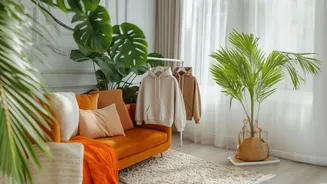
Adopting this trend doesn’t require a complete overhaul. You can start small. Introduce a single piece of curved furniture, like a rounded accent chair or an arched mirror, to instantly soften a room's geometry. Swap out a rectangular coffee table for a circular or oval one. On the materials front, incorporating natural textures is simple. A jute or wool rug adds immediate warmth underfoot, while linen or cotton cushions can soften an existing sofa. Focus on an earthy colour palette—think warm whites, terracotta, sage green, and beige—to complement the natural materials. The goal isn't to follow a strict set of rules, but to create a layered, comfortable space that feels like a personal sanctuary.