








Why This Small Check Matters So Much
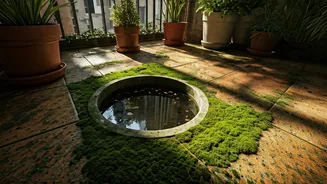
It’s easy to ignore the small drain outlet on your terrace, but during heavy rains, it’s one of the most critical parts of your home's defence against water damage. When a terrace drain gets clogged with leaves, plastic waste, silt, or other debris, rainwater
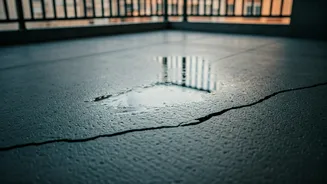
has nowhere to go. This standing water, or waterlogging, doesn't just create a large puddle; it actively works to find a way into your home. The pressure can force water into tiny cracks in the terrace slab, leading to damp patches on your ceiling, peeling paint, and persistent leaks. Over time, this constant seepage can weaken the concrete structure itself and promote the growth of harmful mould and mildew inside your home.
A Breeding Ground for Disease
Beyond structural damage, a pool of stagnant water on your terrace is a perfect breeding ground for mosquitoes. With the monsoon season often coinciding with a spike in vector-borne diseases like dengue, malaria, and chikungunya, a clogged drain poses a direct health risk to your family. By ensuring water flows away freely, you eliminate one potential mosquito habitat right at the source. Government and municipal bodies frequently issue advisories before the monsoon, urging residents to clear drains to prevent both waterlogging and the spread of communicable diseases.
Your Simple Weekly Checklist
Checking your drains doesn't require a professional; it's a quick DIY task. Once a week, preferably when it isn't raining heavily, follow these simple steps: 1. Visual Inspection: Start by looking at the drain outlet. Is it covered with leaves, plastic bags, or a buildup of mud? Clear away all visible surface debris with your hands (wear gloves for hygiene). 2. Remove the Grate: Most drain covers can be lifted or unscrewed. This allows you to access the pipe opening directly. Remove any gunk that has collected just below the surface. A straightened wire hanger can be useful for pulling out stubborn material. 3. Check for Flow: After clearing the opening, pour a bucket of water down the drain. It should flow away quickly without any backing up. If it's slow, there might be a deeper blockage. 4. A Natural Flush: For minor, unseen blockages caused by sludge, you can pour a bucket of hot water down the drain. Some experts suggest following a mixture of baking soda and vinegar with boiling water to dissolve organic matter.
Tools for the Task
You don’t need a specialized toolkit for this routine check. Most of the time, all you will need are: A pair of rubber gloves. A small bucket to collect debris. A wire clothes hanger or a small hand shovel to dislodge gunk. A bucket of water to test the flow. For more stubborn clogs, a simple drain snake is an effective tool that can be purchased at most hardware stores.
When to Call a Professional
While weekly checks can prevent most issues, some problems require professional help. If you've cleared the drain opening and water still pools or drains very slowly, there might be a significant blockage deep inside the pipe. Other warning signs include visible cracks in the terrace slab around the drain, persistent dampness on the ceiling below even after clearing the drain, or signs of structural damage. In these cases, it’s best to call a plumber or a waterproofing expert to assess and fix the underlying issue before it worsens.