





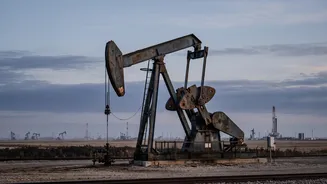
After marathon negotiations that stretched into a record-breaking overtime, the COP31 climate summit in Antalya, Turkey, has ended in bitter disappointment. Hopes for a landmark deal were dashed as nations failed to reach a consensus.
Why the Talks Collapsed
The summit, co-hosted
by Turkey and Australia, broke down primarily due to an irreconcilable divide over the future of fossil fuels. A draft of the final agreement, known as the 'Antalya Pact', was rejected by a coalition of countries, including the European Union and several climate-vulnerable nations, because it contained no direct mention of phasing out or even phasing down coal, oil, and gas. This omission was seen by many as a major step backwards and a concession to oil and gas-producing countries like Saudi Arabia and Russia, which opposed strong language against fossil fuels. The EU declared it would not accept a deal that 'greenwashes fossil fuels', leading to the first collapse of UN climate talks without a main agreement since the Copenhagen summit in 2009.
The Battle Over Words and Money
Beyond the headline dispute over fossil fuels, deep disagreements over climate finance also fuelled the breakdown. Developing nations, including the G77 and China bloc, expressed immense frustration over the failure of developed countries to provide a clear roadmap for financial support. A key point of contention was the lack of a specific dollar amount for adaptation finance, which helps poorer countries cope with the impacts of climate change they have done little to cause. While the draft text called for tripling adaptation finance, the absence of a concrete target was deemed unacceptable by many. Furthermore, some countries championed carbon capture and storage technologies, which critics argued was a tactic to allow the continued use of fossil fuels.
India's Stand for Climate Justice
Throughout the summit, India maintained a firm and consistent position rooted in climate justice and equity. Indian negotiators argued that developed nations have a historical responsibility to lead in emissions cuts and must fulfil their obligations to provide predictable and accessible public finance to developing countries. This stance aligns with the principle of 'Common but Differentiated Responsibilities and Respective Capabilities' (CBDR-RC), which holds that not all nations share the same duty in tackling climate change. India insisted that climate action cannot come at the cost of development and poverty alleviation for the Global South, and resisted pressure to commit to broader fossil fuel targets without concrete financial and technological support from wealthier nations.
Not a Total Failure?
Despite the failure to secure an overarching pact, the summit was not entirely without progress. Negotiators did manage to find consensus on other, more technical issues. Agreements were reached to advance work on a 'just transition', ensuring that the shift to green economies is fair to workers and communities. There was also progress on the Global Goal on Adaptation and on frameworks for carbon markets. Moreover, a voluntary initiative to increase electricity's share of global final energy consumption to 35% by 2035 gained the backing of numerous countries and businesses, even though it was not part of the formal negotiated outcome. However, these smaller wins were overshadowed by the collapse of the main political agreement.